For anyone pushing their limits in the gym, the fuel you put into your body is just as crucial as the effort you exert. It’s the difference between hitting a new personal best and hitting a wall of fatigue, between rapid recovery and prolonged soreness. Understanding which nutrients best support intense physical activity is key to unlocking peak performance, efficiently combating exhaustion, and accelerating the muscle repair process.

Carbohydrates: The Engine’s Primary Fuel
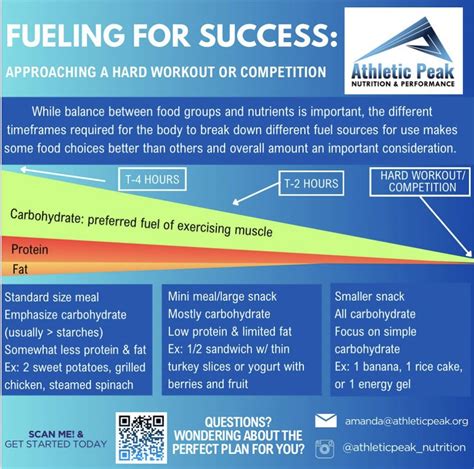
Carbohydrates are your body’s preferred source of energy, especially during high-intensity exercise. They are stored as glycogen in your muscles and liver, providing the readily available fuel needed for powerful lifts and sustained endurance. Consuming complex carbohydrates like whole grains, oats, sweet potatoes, and fruits before a workout ensures a steady release of energy, preventing premature fatigue. Post-workout, simple carbohydrates can help rapidly replenish glycogen stores, kickstarting the recovery process.
Protein: The Architect of Muscle Recovery
Protein is fundamental for muscle repair, growth, and overall recovery. During exercise, muscle fibers undergo microscopic damage, and protein provides the amino acids necessary to rebuild and strengthen these tissues. Including lean protein sources such as chicken breast, fish, eggs, legumes, and dairy in your diet is vital. Aiming for a consistent intake throughout the day, particularly after workouts, optimizes muscle protein synthesis and minimizes recovery time.

Healthy Fats: Sustained Energy and Hormonal Balance
While carbohydrates provide quick energy and protein builds muscle, healthy fats play a crucial role in sustained energy, hormone production, and nutrient absorption. Sources like avocados, nuts, seeds, olive oil, and fatty fish (rich in omega-3s) contribute to overall health, reduce inflammation, and provide a denser energy source for longer durations of exercise or as a backup fuel when glycogen stores run low. They are essential for optimal bodily functions that support intense training.
Micronutrients and Hydration: The Performance Enablers
Often overlooked, vitamins, minerals, and adequate hydration are pivotal for gym performance and recovery. Micronutrients like magnesium, potassium, and B vitamins are crucial for energy metabolism and muscle function. Antioxidants found in colorful fruits and vegetables help combat exercise-induced oxidative stress. Water, however, is perhaps the most critical nutrient; even slight dehydration can significantly impair performance, increase fatigue, and hinder recovery processes. Staying well-hydrated before, during, and after workouts is non-negotiable.

Strategic Timing: Maximizing Your Fuel Intake
It’s not just what you eat, but when you eat it. A pre-workout meal (2-3 hours prior) rich in complex carbs and some protein provides sustained energy. A small, easily digestible snack (30-60 minutes prior) can offer a quick boost. During prolonged workouts (over 60 minutes), intra-workout carbohydrates can help maintain energy levels. The post-workout window (within 30-60 minutes) is critical for consuming a combination of fast-acting carbohydrates and protein to replenish glycogen and initiate muscle repair.

Tailoring Your Nutrition for Optimal Results
While the general principles of carbohydrates, protein, healthy fats, and hydration apply, the exact ratios and types of food can vary based on individual goals, body type, and exercise intensity. Someone training for endurance will have different needs than a strength athlete. Listening to your body, tracking your intake, and potentially consulting with a sports nutritionist can help fine-tune your approach to nutrition, ensuring you’re always optimally fueled for peak gym performance, effective fatigue management, and accelerated muscle recovery.

In conclusion, the answer to boosting gym performance, combating fatigue, and aiding muscle recovery isn’t a single “superfood” but rather a comprehensive and consistent approach to nutrition. By prioritizing a balanced intake of macronutrients, supporting your body with essential micronutrients, staying meticulously hydrated, and timing your meals strategically, you equip your body with the ultimate fuel it needs to excel and recover, consistently pushing past your limits.