For men seeking to conquer their daily demands with vigor, strength, and mental clarity, the right nutrition isn’t just important—it’s foundational. The food you consume acts as the fuel for every bodily process, from lifting weights to solving complex problems. But what exactly constitutes the optimal daily fuel to enhance energy levels, support muscle development, and sharpen brain focus?
The Foundational Pillars of Men’s Diet
Optimizing your daily fuel intake hinges on a balanced approach to macronutrients: proteins, complex carbohydrates, and healthy fats. Each plays a distinct yet interconnected role in supporting a man’s physical and mental performance.

Protein: The Muscle and Satiety Powerhouse
Protein is paramount for men, especially those active or looking to build and maintain muscle mass. It’s composed of amino acids, the building blocks for muscle tissue, enzymes, and hormones. Adequate protein intake supports muscle repair post-exercise, prevents muscle loss, and promotes satiety, helping manage weight.
Aim for lean protein sources such as chicken breast, turkey, lean beef, fish (salmon, cod), eggs, Greek yogurt, lentils, beans, and tofu. Distribute protein intake across all meals to provide a steady supply of amino acids throughout the day.
Complex Carbohydrates: Sustained Energy for Body and Mind
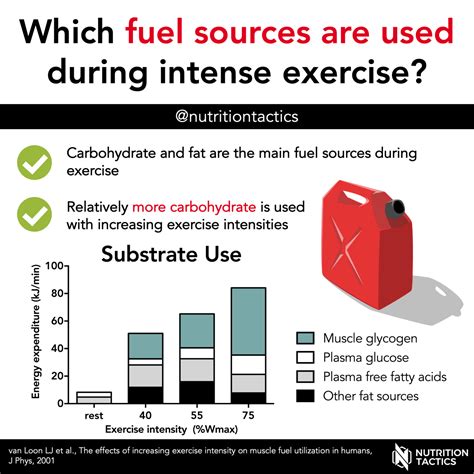
While often maligned in fad diets, complex carbohydrates are vital for sustained energy. Unlike simple sugars, complex carbs are digested slowly, providing a steady release of glucose into the bloodstream. This stable energy supply is crucial for both physical stamina during workouts and consistent brain function, preventing energy crashes and improving concentration.
Prioritize whole grains like oats, quinoa, brown rice, and whole-wheat bread. Also include starchy vegetables such as sweet potatoes, butternut squash, and a wide variety of fruits and non-starchy vegetables. These also provide essential fiber, aiding digestion and gut health.

Healthy Fats: Brain Function and Hormone Balance
Healthy fats are crucial for numerous physiological functions, including hormone production (testosterone, for instance), nutrient absorption (fat-soluble vitamins A, D, E, K), and providing a concentrated source of energy. Crucially, they are essential for brain health, supporting cognitive function, memory, and mood regulation.
Incorporate sources like avocados, nuts (almonds, walnuts), seeds (chia, flax, pumpkin), olive oil, and fatty fish (salmon, mackerel) rich in omega-3 fatty acids. Omega-3s are particularly beneficial for reducing inflammation and supporting cardiovascular and brain health.
Micronutrients: The Unsung Heroes
Beyond macronutrients, a spectrum of vitamins and minerals plays critical roles in energy metabolism, muscle function, and cognitive performance. Deficiencies in these micronutrients can undermine even the most diligent efforts at a balanced diet.

Key Vitamins & Minerals for Men
- Vitamin D: Essential for bone health, immune function, and testosterone production.
- Magnesium: Involved in over 300 enzymatic reactions, crucial for muscle contraction, nerve function, and energy production.
- Zinc: Supports immune function, protein synthesis, and hormone balance.
- B Vitamins: A complex group vital for energy metabolism, converting food into usable energy, and supporting neurological function.
- Iron: Transports oxygen in the blood, essential for energy and combating fatigue.
Hydration: Often Overlooked, Always Essential
Water is perhaps the most fundamental nutrient. Dehydration, even mild, can significantly impair physical performance, reduce energy levels, and diminish cognitive function, leading to fatigue, poor concentration, and headaches. Aim for at least 8-10 glasses of water daily, increasing intake with activity levels or warmer climates.

Strategic Eating: Timing and Portion Control
It’s not just what you eat, but also when and how much. Regular meals and snacks prevent extreme hunger, which can lead to poor food choices and overeating. Aim for 3 balanced meals and 1-2 healthy snacks throughout the day. Pay attention to portion sizes to manage calorie intake while ensuring nutrient density.
Consider meal prepping to ensure you have nutrient-dense options readily available, especially during busy workweeks. This proactive approach helps maintain consistency in your dietary habits.
Sample Daily Fuel Plan (Brief Overview)
A typical day might include: a protein-rich breakfast (e.g., eggs with whole-wheat toast and avocado), a balanced lunch (e.g., grilled chicken salad with quinoa), a mid-afternoon snack (e.g., Greek yogurt with berries or a handful of nuts), and a dinner combining lean protein, complex carbs, and plenty of vegetables (e.g., salmon with sweet potato and steamed broccoli).

Optimizing your daily fuel for energy, muscle, and brain focus is a continuous journey. By prioritizing whole, unprocessed foods, balancing your macronutrients, ensuring adequate micronutrient intake, and staying well-hydrated, you equip your body and mind with the best possible resources to thrive. Consistency is key, transforming good choices into lasting habits that power your potential.