Understanding the Challenge of Visceral Fat in Men Over 30
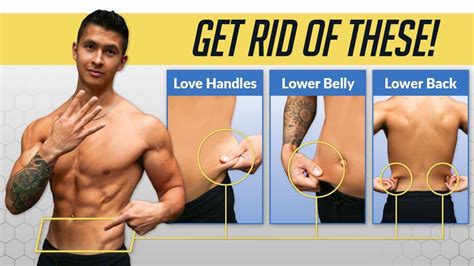
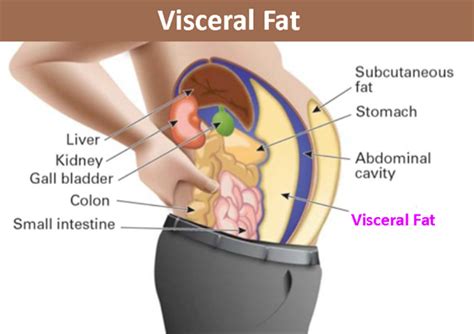
As men cross the threshold of 30, a common and often concerning health challenge emerges: the accumulation of stubborn visceral fat. This is the type of fat that wraps around your internal organs deep within your abdominal cavity, unlike subcutaneous fat which lies just under the skin. Its presence isn’t just about aesthetics; it’s a significant indicator of increased health risks, including heart disease, type 2 diabetes, stroke, and certain cancers. Hormonal shifts, a natural slowdown in metabolism, and lifestyle factors often contribute to its insidious buildup, making targeted strategies essential for effective reduction.
Why Visceral Fat is a Bigger Threat Post-30
After 30, testosterone levels in men gradually begin to decline, which can impact muscle mass and metabolism, making fat storage, particularly visceral fat, more likely. Coupled with potential changes in activity levels and dietary habits, this creates a fertile ground for visceral fat accumulation. Understanding these underlying physiological shifts is the first step toward developing an effective counter-strategy.
Dietary Strategies: Fueling for Fat Loss
Prioritize Whole Foods and Lean Protein
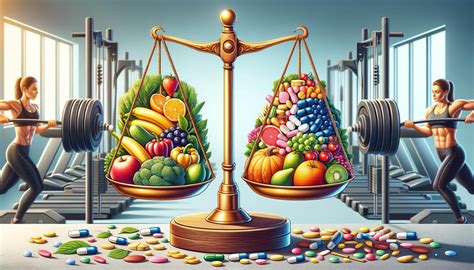
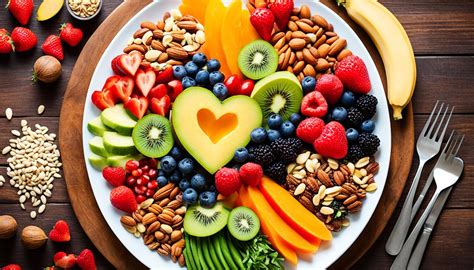
The cornerstone of reducing visceral fat lies in a conscious dietary overhaul. Focus on consuming whole, unprocessed foods. Lean proteins (chicken, fish, legumes, tofu) are crucial for muscle maintenance and satiety, helping to reduce overall calorie intake. Incorporate plenty of fiber from fruits, vegetables, and whole grains, which aids digestion, stabilizes blood sugar, and promotes feelings of fullness.
Eliminate Sugars, Refined Carbs, and Excessive Alcohol
Sugar, refined carbohydrates (white bread, pasta, pastries), and excessive alcohol are major contributors to visceral fat. These items cause rapid spikes in blood sugar, leading to increased insulin production and subsequent fat storage, particularly in the midsection. Limiting or eliminating these from your diet can yield significant results.
Exercise Regimen: Beyond Basic Cardio
Embrace Strength Training
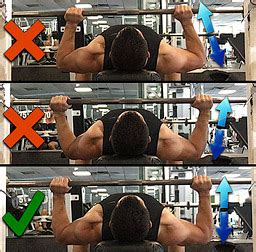
While cardio is beneficial, strength training is non-negotiable for men over 30 targeting visceral fat. Building and maintaining muscle mass boosts your resting metabolism, meaning your body burns more calories even at rest. Aim for 2-3 full-body strength training sessions per week, focusing on compound movements like squats, deadlifts, presses, and rows.
Incorporate High-Intensity Interval Training (HIIT)
HIIT involves short bursts of intense exercise followed by brief recovery periods. Studies show HIIT can be remarkably effective at reducing visceral fat. It improves cardiovascular health, boosts metabolism, and continues to burn calories even after your workout is finished (the ‘afterburn effect’). Integrate 1-2 HIIT sessions into your weekly routine.

Lifestyle Factors: The Unsung Heroes of Fat Reduction
Prioritize Quality Sleep
Lack of sleep disrupts hormones that regulate appetite (ghrelin and leptin) and increases cortisol, the stress hormone, which encourages visceral fat storage. Aim for 7-9 hours of quality sleep per night to optimize hormonal balance and support fat loss efforts.
Manage Stress Effectively
Chronic stress leads to elevated cortisol levels, directly promoting the accumulation of visceral fat. Implement stress-reduction techniques such as meditation, yoga, mindfulness, spending time in nature, or engaging in hobbies. Finding healthy outlets for stress is crucial for overall well-being and visceral fat reduction.

Consistency, Patience, and Professional Guidance
Reducing stubborn visceral fat is not an overnight process. It requires consistent effort, patience, and a commitment to sustainable lifestyle changes. Track your progress not just by weight, but by waist circumference, energy levels, and overall well-being. Consider consulting a healthcare professional, a registered dietitian, or a certified personal trainer to create a personalized plan tailored to your specific needs and health status. Their expertise can provide invaluable guidance and support on your journey to a healthier you.