
Battling the Desk-Induced Back Ache: A Man’s Guide to Prevention
For many men, a significant portion of their day is spent seated at a desk, staring at a screen. While productive, this sedentary lifestyle is a notorious contributor to a common enemy: lower back pain. Persistent discomfort can impact focus, energy, and overall quality of life. The good news is that preventing and alleviating this pain doesn’t require hours at the gym; a few quick, targeted exercises can make a world of difference when incorporated regularly into your routine.

Understanding the Desk Back Pain Epidemic
Prolonged sitting puts immense pressure on your spine, leading to tight hip flexors, weak glutes, and a disengaged core – all recipes for lower back pain. Men, in particular, might neglect flexibility, focusing more on strength training which can sometimes exacerbate imbalances if not paired with proper stretching. Addressing these imbalances through strategic movement is key to safeguarding your lumbar health.
Quick Stretches You Can Do at Your Desk
These stretches are designed to release tension and improve flexibility, easily performed during a short break.
1. Seated Spinal Twist
Sit tall with both feet flat on the floor. Twist your torso to the right, placing your right hand on the back of your chair and your left hand on your right knee. Hold for 20-30 seconds, feeling the stretch in your lower back and glutes. Repeat on the other side. This helps mobilize the spine and relieve stiffness.
2. Figure-Four Stretch (Seated Glute Stretch)
While seated, cross your right ankle over your left knee. Gently lean forward, keeping your back straight, until you feel a stretch in your right glute and hip. Hold for 20-30 seconds, then switch legs. Tight glutes often contribute to lower back pain, and this stretch is highly effective.
3. Standing Hamstring Stretch
Stand up and place your right heel on a slightly elevated surface (like a footrest or lower drawer). Keep your leg straight but not locked, and gently hinge forward at your hips, keeping your back straight, until you feel a stretch in your hamstring. Hold for 20-30 seconds per leg. Tight hamstrings pull on the pelvis, contributing to lower back strain.

Strengthening Moves for Long-Term Relief
Beyond stretching, strengthening your core and glutes provides essential support for your lower back, helping prevent future pain. These can be done in a small space, even on the office floor if discreetly possible.
1. Pelvic Tilts
Lie on your back with knees bent, feet flat on the floor. Gently flatten your lower back against the floor by tightening your abdominal muscles and tilting your pelvis upwards. Hold for 5 seconds, then release. Repeat 10-15 times. This activates deep core muscles and improves lumbar stability.
2. Bird-Dog
Start on your hands and knees, wrists under shoulders and knees under hips. Engage your core. Simultaneously extend your right arm forward and your left leg straight back, keeping your back flat and hips level. Hold briefly, then return to the start. Alternate sides for 10-12 repetitions per side. This is excellent for core stability and balance.
3. Glute Bridges
Lie on your back with knees bent, feet flat on the floor, hip-width apart. Push through your heels, lifting your hips off the floor until your body forms a straight line from shoulders to knees. Squeeze your glutes at the top. Lower slowly. Perform 10-15 repetitions. Strong glutes are crucial for supporting the pelvis and lower back.

Integrating Movement and Ergonomics
Prevention isn’t just about exercises; it’s also about mindful habits. Set a timer to stand up and move every 30-60 minutes. Even a brief walk to the water cooler or a quick set of desk stretches can reset your posture and relieve pressure.
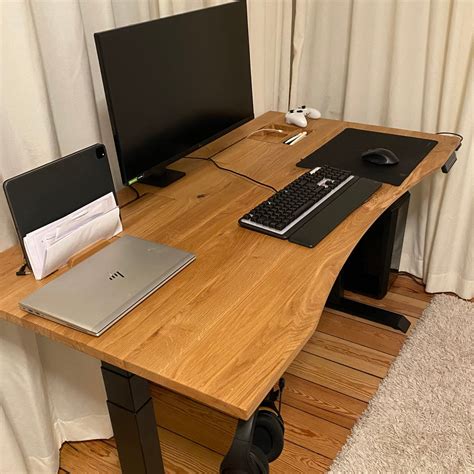
Ensure your desk setup is ergonomic. Your monitor should be at eye level, feet flat on the floor, and elbows at a 90-degree angle. A good chair with lumbar support is an investment in your back health.
Conclusion: Consistency is Key
Preventing lower back pain from desk work is an ongoing commitment. By incorporating these quick, effective stretches and strengthening exercises into your daily routine, you can significantly reduce discomfort and improve your overall spinal health. Don’t wait for the pain to become chronic; take proactive steps today to ensure a more comfortable and productive workday.
![100+ Man Images [HD] | Download Free Images on Unsplash](/images/aHR0cHM6Ly90czMubW0uYmluZy5uZXQvdGg/aWQ9T0lQLmU1aEpXdW9jM1I4Tm9uLWVfWDNjbkFIYUxHJnBpZD0xNS4x.webp)