Conquering High-Interest Debt While Building Your Savings
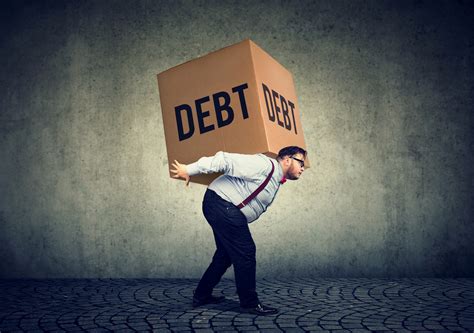
High-interest credit card debt can feel like a heavy anchor, dragging down your financial progress and making it difficult to envision a secure future. However, with a strategic and aggressive approach, it is entirely possible to not only eradicate this debt but also to start building a robust savings foundation. This guide will walk you through the essential steps to achieve both goals simultaneously.

Phase 1: Understanding Your Financial Landscape
Before you can aggressively attack your debt, you need a clear picture of what you’re up against. Start by listing all your credit card debts, noting the balance, interest rate (APR), and minimum monthly payment for each. This information is crucial for determining your attack strategy.
Create a Detailed Budget
A budget isn’t about restriction; it’s about control. Track every dollar coming in and going out for at least a month. Identify areas where you can cut expenses, even temporarily. Look for ‘leakage’ – subscriptions you don’t use, daily coffees, or unnecessary impulse buys. Every freed-up dollar is a weapon against your debt.
Find Extra Income Streams
To be truly aggressive, consider ways to boost your income. This could be through a side hustle, selling unused items, or taking on extra shifts at work. Even a few hundred extra dollars a month can significantly accelerate your debt repayment journey.
Phase 2: Aggressive Debt Repayment Strategies
With your financial picture clear and extra cash identified, it’s time to choose your repayment method.
The Debt Avalanche Method
This method focuses on paying off debts with the highest interest rates first. You’ll make minimum payments on all cards except the one with the highest APR, directing all extra funds to that one. Once it’s paid off, you roll that payment amount (minimum + extra funds) into the next highest interest rate card. This method saves you the most money on interest over time.
The Debt Snowball Method
The snowball method prioritizes psychological wins. You pay off the smallest balance first, regardless of interest rate, while making minimum payments on others. Once the smallest debt is gone, you roll that payment into the next smallest. The quick wins can provide powerful motivation to keep going, even if you pay slightly more interest overall.
Consider Balance Transfers and Consolidation Loans
Balance Transfer Credit Cards: If you have good credit, you might qualify for a 0% introductory APR balance transfer card. This can give you a window (typically 12-24 months) to pay down debt without accruing additional interest. Be mindful of transfer fees (usually 3-5%) and ensure you can pay off the balance before the promotional period ends.
Debt Consolidation Loans: A personal loan can consolidate multiple high-interest credit card debts into one single payment with a lower, fixed interest rate. This simplifies your payments and can reduce the total interest paid. Shop around for the best rates and terms.
Negotiate with Creditors
Don’t be afraid to call your credit card companies. Explain your situation and ask if they can lower your interest rate or offer a payment plan. Sometimes, simply asking can lead to a more manageable repayment schedule.

Phase 3: Integrating Savings While in Debt
It might seem counterintuitive to save while aggressively paying off debt, but it’s crucial for long-term financial stability.
Build a Mini Emergency Fund First
Before putting every extra dollar towards debt, aim to save a small emergency fund, perhaps $1,000. This fund acts as a buffer against unexpected expenses (car repairs, medical bills) that could otherwise force you back into debt. It’s debt prevention.
Automate Your Savings
Even small, consistent savings can add up. Set up an automatic transfer of a modest amount from your checking to a savings account each payday. Treat it like another bill that must be paid.
Set Clear Financial Goals
Beyond debt repayment, what are you saving for? A down payment on a home? Retirement? A child’s education? Having tangible savings goals can provide additional motivation and help you stay disciplined with your budget and debt repayment efforts.
Phase 4: Maintain Momentum and Stay Disciplined
Aggressive debt repayment and saving are not quick fixes; they require consistent effort and discipline. Regularly review your budget, celebrate milestones (like paying off a card), and avoid taking on new debt. Focus on living below your means and making smart financial choices that support your long-term goals.

Conclusion
Aggressively paying off high-interest credit card debt while simultaneously building savings is a challenging but highly rewarding endeavor. By understanding your debt, creating a detailed budget, employing smart repayment strategies, and prioritizing a small emergency fund, you can systematically dismantle your debt and pave the way for a healthier, more secure financial future. It requires dedication, but the freedom and peace of mind you gain are invaluable.