The Convergence of Wellness and Wealth on Your Wrist
In an increasingly connected world, our devices are evolving beyond single-purpose tools. Smartwatches, once primarily focused on fitness tracking and notifications, are now expanding their capabilities to encompass aspects of personal finance. For those seeking a holistic approach to self-improvement, the ability to monitor both physical health and financial well-being from a single wearable device presents a compelling proposition. But which smartwatch truly stands out in integrating these two vital areas?
Essential Fitness Tracking Capabilities
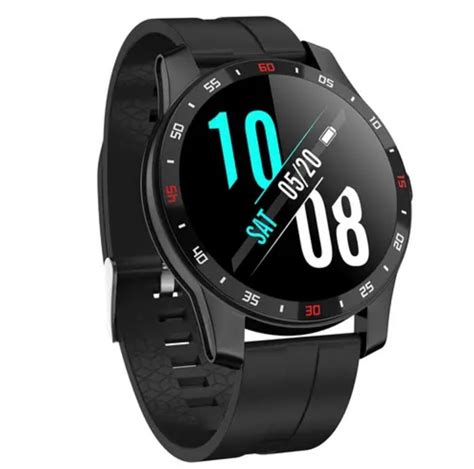
Before diving into financial features, a smartwatch must first deliver robust fitness tracking. Look for devices that offer comprehensive metrics such as heart rate monitoring (including ECG capabilities on some models), GPS for accurate run/cycle tracking, sleep analysis, step counting, and a wide array of pre-loaded workout modes. Advanced features like blood oxygen saturation (SpO2), stress tracking, and recovery insights further enhance the fitness experience, providing a deeper understanding of your physical health.
Popular platforms like Apple Health, Google Fit, and Samsung Health serve as central hubs for aggregating this data, often integrating seamlessly with various third-party fitness apps to offer a customized experience.
Integrating Financial Intelligence into Wearables
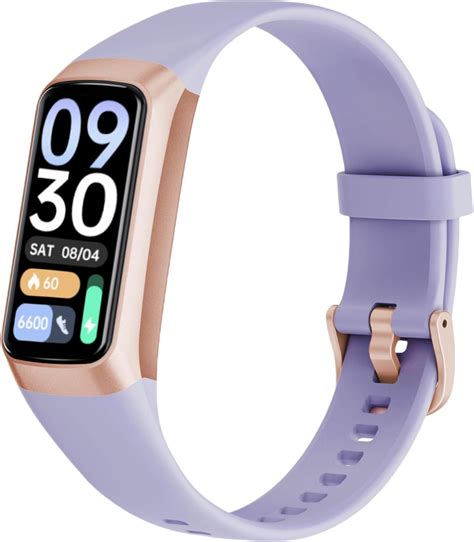
The financial aspect of smartwatch utility primarily revolves around convenience and awareness. Key features include:
- NFC Payments: Nearly all modern smartwatches from major brands support mobile payment systems like Apple Pay, Google Pay, or Samsung Pay, allowing you to leave your wallet at home for quick, secure transactions.
- Budgeting App Integration: While native budgeting apps on smartwatches are rare, many popular financial management apps (e.g., Mint, YNAB, bank apps) offer companion watch apps for quick glances at balances, recent transactions, or budget alerts.
- Expense Tracking: Some third-party apps allow for quick logging of expenses directly from your wrist, making it easier to stick to a budget in real-time.
- Stock Market Tracking: Widgets or mini-apps can provide instant access to stock prices and portfolio performance.
- Banking Notifications: Receive alerts for transactions, low balances, or bill due dates directly on your wrist, helping you stay informed without constantly checking your phone.
Leading Contenders for Dual Tracking
Apple Watch (with iOS Ecosystem)
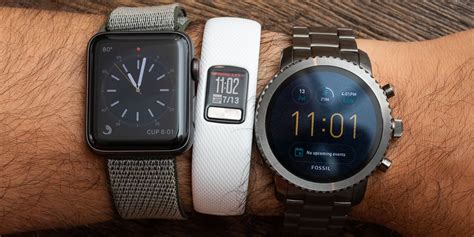
The Apple Watch, particularly the latest Series models, offers unparalleled integration with Apple Health and a vast ecosystem of third-party apps. Its robust health sensors, ECG, and advanced fitness tracking are well-documented. For financial goals, Apple Pay is standard, and the App Store is rich with banking apps and budgeting tools like Mint, Personal Capital, and various investment trackers that offer watch complications and apps, making it a strong contender for a truly integrated experience.
Samsung Galaxy Watch (with Android/Wear OS Ecosystem)
Samsung’s Galaxy Watch series, running on Wear OS Powered by Samsung, also provides a powerful blend. It boasts comprehensive fitness and health tracking via Samsung Health, including body composition analysis on some models. For finance, it supports Google Pay and Samsung Pay, alongside a growing selection of financial apps available on the Google Play Store for Wear OS, offering similar capabilities to the Apple Watch ecosystem for Android users.
Garmin and Fitbit (with growing financial features)
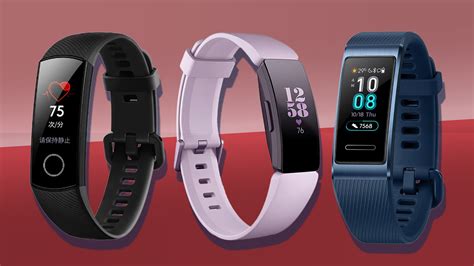
While primarily fitness-focused, brands like Garmin and Fitbit (now owned by Google) are enhancing their financial capabilities. Many Garmin watches include Garmin Pay, and Fitbit devices offer Fitbit Pay, enabling contactless payments. Their app stores are smaller, but some banking apps and basic financial widgets are becoming available, making them viable options if fitness is the absolute priority with financial convenience as a bonus.
The Synergy of Wellness and Wealth
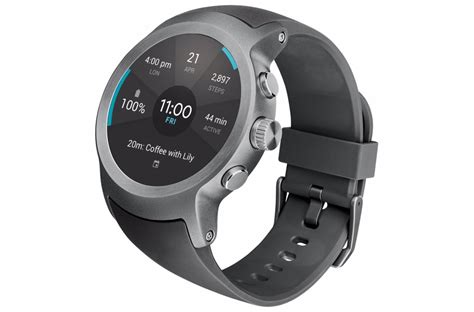
Opting for a smartwatch that excels in both fitness and finance offers several advantages. It fosters a more holistic understanding of your well-being, recognizing that physical health can impact financial decisions, and vice-versa. The convenience of quick payments and immediate financial insights can encourage more conscious spending habits and better budget adherence. Moreover, the constant presence on your wrist acts as a subtle motivator for both your daily step count and your savings goals.
Choosing Your Ideal Companion
When selecting a smartwatch for dual tracking, consider your existing smartphone ecosystem (iOS or Android), as this often dictates the best compatibility and app availability. Evaluate the depth of fitness tracking you need versus the breadth of financial integrations. Battery life, design, and budget are also crucial factors. Ultimately, the best smartwatch will be the one that seamlessly integrates into your daily life, empowering you to achieve both your health and financial aspirations with ease.