
The Foundation of Peak Performance: Understanding Dietary Fuel
In the demanding landscape of modern life, men often seek ways to optimize their physical and mental output. Whether it’s excelling at work, staying present with family, or crushing a gym session, sustained energy, sharp focus, and robust workout performance are non-negotiable. The secret weapon isn’t a supplement or a quick fix; it’s the consistent, intelligent application of dietary fuel.
Carbohydrates: The Primary Energy Source
Often demonized, carbohydrates are, in fact, the body’s preferred and most efficient source of energy, particularly for high-intensity activities and brain function. Complex carbohydrates, found in whole grains, fruits, and vegetables, provide a steady release of glucose into the bloodstream, preventing energy crashes. Simple carbohydrates, while quick energy, are best reserved for immediate post-workout recovery to replenish glycogen stores.
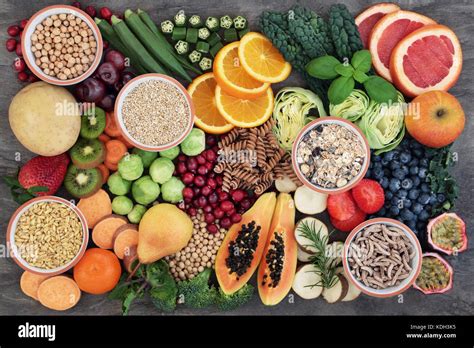
- Complex Carbs: Oats, brown rice, quinoa, sweet potatoes, whole-wheat bread, berries, bananas.
- Benefits: Sustained energy, improved endurance, enhanced cognitive function, mood regulation.
Proteins: Building Blocks and Satiety
Protein is crucial for muscle repair and growth, a cornerstone for any man looking to improve workout performance and body composition. Beyond physical structure, protein also plays a role in hormone production, enzyme function, and immune health. Its slower digestion rate contributes to satiety, helping with weight management and preventing energy dips by stabilizing blood sugar.
- Sources: Lean meats (chicken, beef), fish (salmon, tuna), eggs, dairy (Greek yogurt, cottage cheese), legumes, tofu, tempeh.
- Benefits: Muscle repair, strength gains, prolonged satiety, stable energy.
Healthy Fats: Hormones, Focus, and Absorption
Dietary fats are vital for hormone production, nutrient absorption (especially fat-soluble vitamins A, D, E, K), and providing a concentrated source of energy. Healthy fats, particularly omega-3 fatty acids, are critical for brain health, reducing inflammation, and improving focus and mood. They also contribute to satiety and overall cellular function.
- Sources: Avocados, nuts (almonds, walnuts), seeds (chia, flax), olive oil, fatty fish (salmon, mackerel).
- Benefits: Hormone balance, brain health, anti-inflammatory, sustained energy.

Micronutrients and Hydration: The Unsung Heroes
While macronutrients provide the bulk of energy, micronutrients (vitamins and minerals) are the catalysts for countless bodily processes, including energy metabolism, nerve function, and immune response. Deficiencies in key vitamins (e.g., B vitamins, Vitamin D) and minerals (e.g., magnesium, iron, zinc) can severely impact energy levels, focus, and physical performance.
Equally critical is hydration. Water is involved in every metabolic process, nutrient transport, temperature regulation, and joint lubrication. Even mild dehydration can lead to fatigue, reduced cognitive function, and impaired physical performance.
- Key Micronutrients: B Vitamins (energy), Iron (oxygen transport), Magnesium (muscle function), Vitamin D (mood, bone health).
- Hydration: Aim for consistent water intake throughout the day, increasing during and after exercise.

Strategic Meal Timing and Consistency
It’s not just what you eat, but when you eat it. Consuming balanced meals and snacks at regular intervals helps maintain stable blood sugar levels, preventing energy crashes and ensuring a continuous supply of nutrients. Pre-workout meals should focus on complex carbs and some protein, while post-workout meals are crucial for replenishing glycogen and repairing muscle with carbs and protein.
Consistency is paramount. A single healthy meal won’t redefine your energy or performance; it’s the cumulative effect of a well-planned, nutrient-dense diet over time that truly makes a difference.
Putting It All Together: A Sample Blueprint
For optimal energy, focus, and workout performance, men should prioritize a diet rich in:
- Complex Carbohydrates: For sustained energy (oats, quinoa, sweet potatoes).
- Lean Proteins: For muscle repair and satiety (chicken breast, fish, eggs, legumes).
- Healthy Fats: For hormone health and brain function (avocado, nuts, olive oil).
- Diverse Fruits and Vegetables: For essential micronutrients and antioxidants.
- Adequate Hydration: Water, water, and more water.
By fueling your body with these foundational elements, you’re not just eating; you’re investing in a powerful, high-performing machine capable of tackling any challenge life throws your way.