
Decoding the Octane Puzzle: What is Premium Fuel?
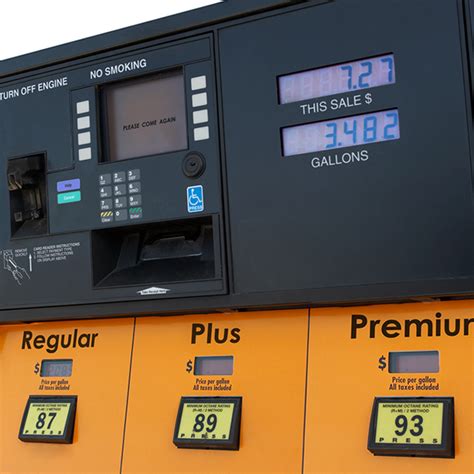
Many drivers face the pump dilemma: standard unleaded or the more expensive premium option? The primary difference between regular and premium fuel lies in its octane rating. Regular unleaded typically has an octane rating of 87, while premium often ranges from 91 to 93. Octane isn’t about energy content or cleaning power; it’s a measure of fuel’s stability and its resistance to pre-ignition, also known as “engine knock” or “pinging.”
Engine knock occurs when the air-fuel mixture ignites prematurely in the cylinders, before the spark plug fires. This can lead to inefficient combustion, loss of power, and, over time, potential engine damage. Higher octane fuel is more resistant to this spontaneous combustion under high compression, making it suitable for engines designed for it.
When is Premium Fuel Truly Necessary for Your Car?
The answer to this question lies squarely in your vehicle’s owner’s manual. Car manufacturers explicitly state the recommended fuel type and octane rating for optimal performance and engine health. Generally, most vehicles are designed to run perfectly fine on regular 87 octane unleaded fuel. These engines have lower compression ratios or sophisticated knock sensors that can adjust ignition timing to prevent pre-ignition.
However, some high-performance vehicles, especially those with turbocharged, supercharged, or high-compression engines, are specifically engineered to require premium fuel. These engines generate more heat and pressure within the combustion chambers, making them more susceptible to knock if lower-octane fuel is used. Forcing these engines to run on regular fuel can lead to reduced performance, decreased fuel economy, and potential long-term engine wear.

Performance & Longevity: Separating Fact from Fiction
A common misconception is that premium fuel somehow cleans your engine or provides a performance boost to all cars. In reality, modern fuels, both regular and premium, contain detergents designed to keep your engine’s fuel system clean. Premium fuel doesn’t offer superior cleaning properties.
For cars that don’t require it, using premium fuel offers no discernible benefit in terms of performance, horsepower, or fuel economy. In fact, you might even notice a slight decrease in efficiency if your engine’s computer struggles to adapt to the unnecessary higher octane. Your engine simply can’t take advantage of the extra knock resistance if it wasn’t designed to operate under conditions where knocking is a concern with regular fuel.
The Wallet Factor: Is the Extra Cost Justified?
This is where the rubber meets the road for most drivers. Premium fuel can cost anywhere from $0.20 to $0.70 more per gallon than regular unleaded. Over the course of a year, especially for drivers who fill up frequently, this adds up to a significant amount of money.
If your car requires premium fuel, then yes, the extra cost is justified. It’s an investment in your engine’s health, ensuring it runs as designed and preventing costly repairs down the line. However, if your car is specified to use regular fuel, paying for premium is essentially throwing money away. You’re not gaining any benefits, and the extra dollars per fill-up could be better spent elsewhere.
Making the Smart Choice for Your Vehicle
To truly cut gas costs and make an informed decision, always refer to your car’s owner’s manual. If it recommends regular unleaded, stick with it. If it says “premium required,” then don’t skimp. If it says “premium recommended,” you might have some flexibility. In such cases, your engine can probably adapt to regular fuel, but might perform slightly better or more efficiently with premium under specific driving conditions. Experimenting with a few tanks of both might help you determine if the marginal gains are worth the extra cost for your driving style.
Don’t fall for marketing hype or anecdotes from friends. The most reliable source of information for your car’s fuel needs is always the manufacturer. By understanding your car’s requirements, you can optimize its performance, extend its lifespan, and keep more money in your wallet.