Why Fit is the Foundation of Great Style
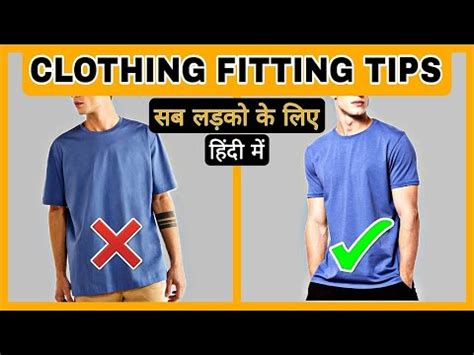
Forget expensive brands or chasing trends; the secret weapon in any stylish man’s arsenal is impeccable fit. Clothes that fit well instantly make you look more polished, confident, and put-together, regardless of their price tag. It’s the difference between looking like you borrowed your dad’s suit and owning the room. Here are the key fit tips to instantly elevate your wardrobe.
Shoulders: The Starting Point
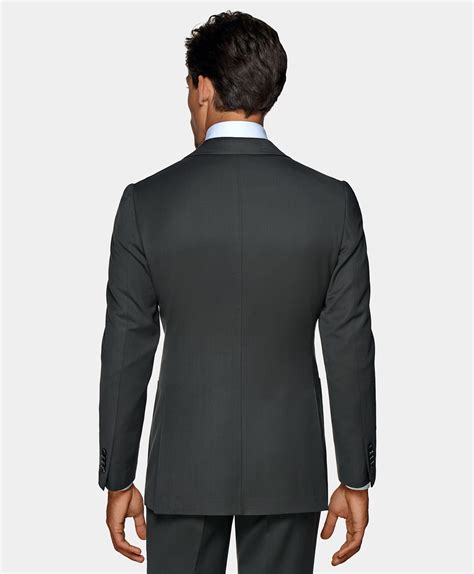
Whether it’s a dress shirt, a blazer, or a jacket, the shoulders are the most crucial fitting point and the hardest to alter. The shoulder seam should sit precisely at the edge of your natural shoulder bone. If it extends past, the garment is too big; if it pulls inwards, it’s too small. A perfect shoulder fit creates a clean, strong silhouette that sets the tone for the entire outfit.
Torso and Chest: Streamlined Comfort
For shirts, you want a fit that skims your body without pulling or restricting movement. There shouldn’t be excess fabric billowing around the waist when tucked in. For jackets, when buttoned, it should close comfortably without any X-shaped pulling across the chest or stomach. You should be able to slide a flat hand between your chest and the fabric, but not a whole fist. A streamlined torso creates a lean and sharp appearance.
Sleeves: The Right Length and Width
Shirt Sleeves: When your arms are relaxed, the cuff of your dress shirt should end exactly where your wrist meets your hand, just above your wrist bone. A common mistake is sleeves that are too long, bunching up. The width should allow comfortable movement without being baggy.
Jacket Sleeves: A jacket or blazer sleeve should end about half an inch above your shirt cuff, allowing a sliver of the shirt cuff to show. This adds a touch of sophistication and breaks up the line of the arm.
![How To Measure Sleeve Length For A Jacket? [Easy Guide]](/images/aHR0cHM6Ly90czEubW0uYmluZy5uZXQvdGg/aWQ9T0lQLmFLZmlnRVJCaXh6QXh1UjlPUFEtMkFIYUVIJnBpZD0xNS4x.webp)
Trousers and Jeans: The Perfect Break
The fit of your trousers dramatically impacts your perceived height and sleekness. The waist should fit comfortably without needing a belt to hold them up, but also without digging in. For the leg, avoid excessive bagginess. A modern fit often means a slight taper towards the ankle.
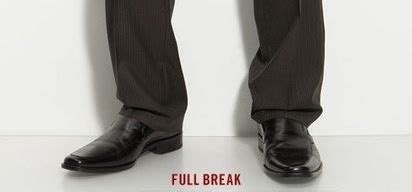
The Break: This refers to the crease formed by the hem of your trousers resting on your shoes. The ideal “no break” or “slight break” means the hem just grazes the top of your shoes, creating a clean, elongated look. A “full break” is often too traditional and can make your legs look shorter and wider. For jeans, a clean hem with no break is usually best.
Collar: Frame Your Face Flawlessly
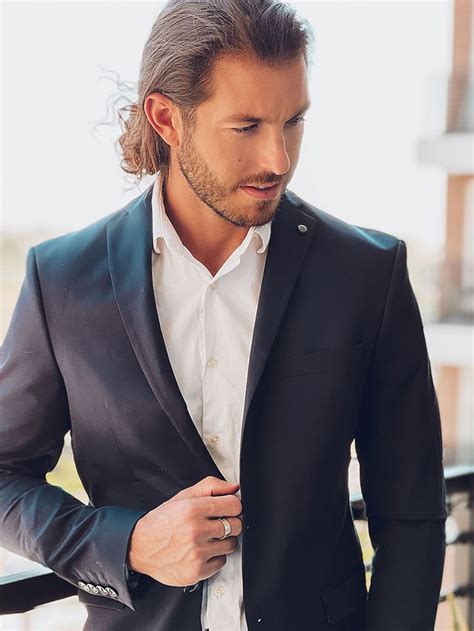
For collared shirts, the collar should sit snugly around your neck without feeling restrictive. You should be able to comfortably fit one or two fingers between the collar and your neck when the top button is fastened. A collar that’s too loose looks sloppy, while one that’s too tight is simply uncomfortable.
The Power of a Good Tailor
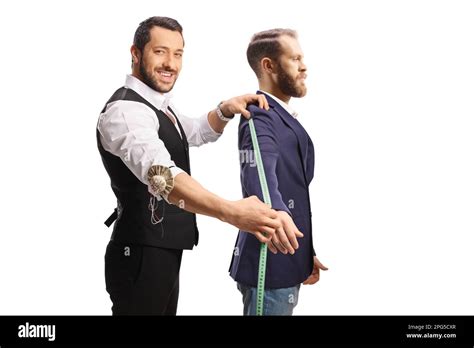
Very few garments will fit perfectly off the rack. This is where a good tailor becomes your best friend. Simple alterations like hemming trousers, tapering shirt sleeves, or nipping in the waist of a jacket can transform an average outfit into an exceptional one. Think of tailoring as an investment in your personal brand.
Conclusion: Invest in Fit, Not Just Fabric
Prioritizing fit over everything else is the most powerful style hack for men. By paying attention to these key areas—shoulders, torso, sleeves, trousers, and collar—you’ll instantly elevate your appearance, exude confidence, and build a wardrobe that truly works for you. Start by assessing your current wardrobe and don’t be afraid to visit a tailor; the results will speak for themselves.