For men dedicated to building muscle and enhancing recovery, protein isn’t just a nutrient; it’s the foundational building block. The quest for strength, hypertrophy, and rapid recuperation often leads to questions about the “right” amount of protein. Navigating the myriad of recommendations, from bro-science to scientific literature, can be daunting. This article cuts through the noise to provide evidence-based insights into optimizing your protein intake for superior gains and quicker bounce-backs.
Why Protein is Crucial for Men Building Muscle
Protein is composed of amino acids, the essential components that repair and rebuild muscle tissue after it’s been broken down during intense training. When you lift weights, you create micro-tears in your muscle fibers. Adequate protein intake provides the necessary raw materials for your body to repair these tears, leading to muscle growth (hypertrophy) and increased strength. Beyond muscle synthesis, protein plays a vital role in hormone production, enzyme function, and immune health, all of which contribute to overall physical performance and recovery.

Understanding Optimal Protein Intake: The Numbers
While general dietary guidelines recommend a certain percentage of calories from protein, for men focused on muscle building, specific gram-per-kilogram (or pound) body weight targets are more useful. Current scientific consensus suggests that men actively engaged in resistance training should aim for approximately 1.6 to 2.2 grams of protein per kilogram of body weight per day. For someone weighing 80 kg (about 176 lbs), this translates to roughly 128 to 176 grams of protein daily. Some studies even suggest benefits for slightly higher intakes (up to 2.5 g/kg) for very lean individuals during caloric deficits to preserve muscle mass, but 2.2 g/kg is often considered the upper end for maximizing muscle protein synthesis under normal conditions.
It’s important to note that these figures are based on total protein intake throughout the day, not necessarily in a single meal. Spreading protein intake across multiple meals can be more effective for sustained muscle protein synthesis.
Factors Influencing Protein Needs
Several factors can influence an individual’s optimal protein requirements:
- Training Intensity and Volume: The harder and more frequently you train, the greater the demand for protein to repair and rebuild muscle tissue.
- Body Composition: Lean body mass is a more accurate predictor of protein needs than total body weight. Individuals with a higher percentage of lean muscle mass may require more protein.
- Caloric Intake: During a caloric deficit (cutting phase), higher protein intake is crucial to preserve muscle mass while losing fat. When in a surplus (bulking phase), protein remains vital for maximizing muscle growth.
- Age: Older men (over 50) may experience anabolic resistance, meaning they require a higher protein intake per meal to stimulate muscle protein synthesis effectively. Recommendations for this group often lean towards the higher end of the spectrum (e.g., 1.8-2.2 g/kg).
Best Protein Sources for Muscle Growth and Recovery
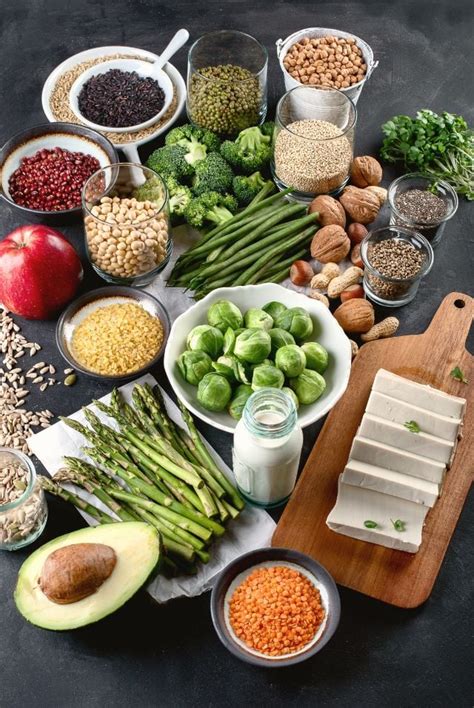
The quality of your protein matters as much as the quantity. Aim for “complete” protein sources, which contain all nine essential amino acids your body cannot produce on its own.
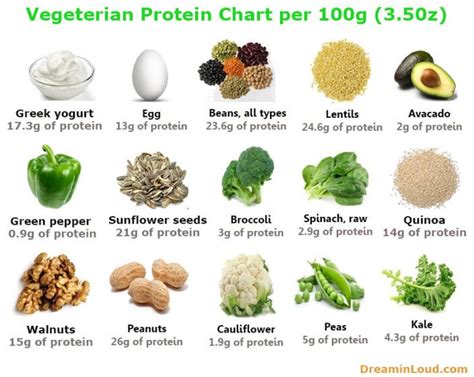
- Animal-Based Proteins: Chicken breast, lean beef, fish (salmon, tuna), eggs, dairy (milk, Greek yogurt, cottage cheese, whey protein) are excellent sources. They are typically rich in leucine, a key amino acid for initiating muscle protein synthesis.
- Plant-Based Proteins: While some plant proteins are incomplete, a varied plant-based diet can easily meet protein needs. Good sources include legumes (lentils, beans), tofu, tempeh, quinoa, nuts, seeds, and plant-based protein powders (pea, rice, soy). Combining different plant proteins (e.g., rice and beans) can ensure a complete amino acid profile.

Timing and Distribution: Maximizing Anabolic Response
While the “anabolic window” post-workout might not be as narrow as once thought, consistently distributing protein intake throughout the day is highly beneficial. Aim for 20-40 grams of protein per meal, consumed roughly every 3-4 hours. This strategy helps to continually stimulate muscle protein synthesis, preventing prolonged periods of catabolism (muscle breakdown).
- Pre-Sleep Protein: Consuming a slow-digesting protein like casein (found in cottage cheese or casein protein powder) before bed can provide a steady supply of amino acids overnight, supporting recovery and muscle repair during sleep.
- Post-Workout: While not strictly a “window,” consuming protein (ideally with carbohydrates) within a few hours after your training session can kickstart recovery and muscle repair.
Practical Tips for Maximizing Protein Intake
Integrating optimal protein into your daily diet doesn’t have to be complicated:
- Prioritize Protein at Every Meal: Make protein the centerpiece of your breakfast, lunch, and dinner.
- Snack Smart: Opt for protein-rich snacks like Greek yogurt, cottage cheese, hard-boiled eggs, or a handful of almonds.
- Supplement Wisely: Whey protein, casein, or plant-based protein powders can be convenient tools to hit your daily targets, especially when whole food options are limited.
- Track Your Intake: Initially, using a food tracking app can help you understand your current protein consumption and make necessary adjustments.
- Hydrate: Adequate water intake is essential for all metabolic processes, including protein utilization.

Conclusion
For men striving for optimal muscle growth and accelerated recovery, protein intake is paramount. Aiming for 1.6 to 2.2 grams of high-quality protein per kilogram of body weight, distributed consistently throughout the day, provides the anabolic support needed. Combine this with intense resistance training, sufficient sleep, and overall balanced nutrition, and you’ll be well on your way to achieving your strength and physique goals.