Understanding the Urgency: Why Every Man Needs an Emergency Fund
In a world of economic uncertainties, an emergency fund isn’t just a smart financial move—it’s a critical pillar of stability, especially for men often shouldering significant responsibilities. Whether it’s unexpected job loss, medical emergencies, car repairs, or home maintenance, these unforeseen events can derail financial progress and create immense stress. Building a robust safety net quickly empowers men to face these challenges head-on without resorting to high-interest debt or compromising long-term goals. This guide outlines actionable steps to rapidly establish your financial buffer.

Defining Your Financial Safety Net: How Much is Enough?
The first step to building quickly is knowing your target. A widely accepted benchmark for an emergency fund is 3 to 6 months’ worth of essential living expenses. For men, this often includes rent/mortgage, utilities, food, transportation, insurance premiums, and minimum debt payments. Calculate your absolute minimum monthly expenses, then multiply that by 3, 4, 5, or 6. If you have dependents or a less stable job, aiming for the higher end of this range is prudent. Break this large sum down into smaller, manageable weekly or monthly targets to make it less daunting.
Aggressive Strategies for Rapid Fund Accumulation
1. Automate Your Savings
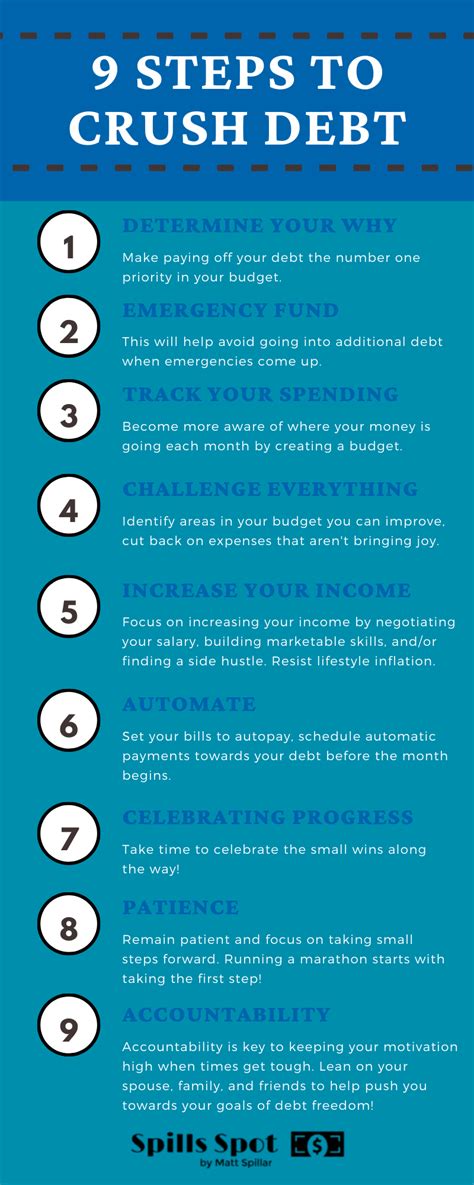
The easiest way to save is to make it automatic. Set up a recurring transfer from your checking account to a separate, dedicated savings account immediately after you get paid. Start with a percentage of your income, even if it feels small. The key is consistency and making savings non-negotiable.
2. Drastically Cut Non-Essential Expenses
This is where speed comes in. Go through your budget with a fine-tooth comb. Identify every discretionary expense that can be temporarily eliminated or significantly reduced. Think subscriptions you don’t use, daily coffees, eating out, entertainment, or even postponing non-urgent purchases. Every dollar saved from these cuts should go directly into your emergency fund. Challenge yourself to live on a bare-bones budget for a few months.

3. Boost Your Income with Side Hustles
To build an emergency fund quickly, consider supplementing your primary income. Explore side hustles that leverage your skills or free time. This could include freelancing, ride-sharing, food delivery, selling crafts online, consulting, or even taking on temporary contract work. Every extra dollar earned should be earmarked 100% for your emergency fund.

4. Liquidate Unused Assets
Look around your home. Do you have old electronics, sports equipment, musical instruments, furniture, or designer clothes gathering dust? Selling these unused items on platforms like eBay, Facebook Marketplace, or local consignment shops can provide a significant cash injection for your fund. It not only frees up space but also gives your savings a quick boost.
5. Channel Windfalls and Bonuses
Did you receive a tax refund, a work bonus, an unexpected gift, or a commission? Resist the urge to spend it. Direct these windfalls entirely into your emergency fund. These lump sums can significantly accelerate your progress towards your goal.
Choosing the Right Account for Your Emergency Fund
Your emergency fund should be held in a separate, easily accessible, yet somewhat inconvenient account. A high-yield savings account (HYSA) is often ideal. It keeps your emergency cash distinct from your daily spending money, helping prevent accidental use, while also earning a modest amount of interest. Ensure it’s FDIC-insured for safety.

Maintaining Momentum and Discipline
Building an emergency fund rapidly requires discipline and a clear focus on your goal. Regularly track your progress and celebrate milestones to stay motivated. Remember, this fund is not for investment; its primary purpose is liquidity and peace of mind. Once established, commit to replenishing it if you ever need to tap into it.
Conclusion: Your Path to Financial Resilience
For men, quickly building an emergency fund is more than just saving money; it’s about fortifying your financial future, gaining confidence, and ensuring you can protect yourself and your loved ones from unexpected downturns. By automating savings, aggressively cutting expenses, boosting income, and wisely managing windfalls, you can rapidly achieve the financial stability and peace of mind that a robust emergency fund provides.