Understanding the Procrastination Trap in Men’s Lives
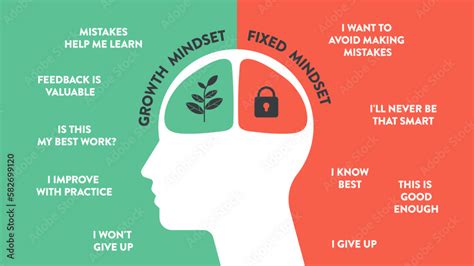
For many men, the twin pillars of personal well-being — fitness and finance — often become battlegrounds against a pervasive enemy: procrastination. Whether it’s delaying a workout, putting off financial planning, or neglecting essential health check-ups, the tendency to defer important tasks can derail long-term goals and lead to significant stress. This isn’t merely a matter of laziness; it’s often rooted in deeper psychological patterns and a specific mindset that prioritizes immediate comfort over future gains.
The struggle is universal, but its impact on men can be particularly pronounced given societal expectations around strength, provision, and self-reliance. The paradox lies in the fact that these areas, crucial for a man’s health, confidence, and security, are frequently where the most resistance is met. Understanding the underlying mindset fueling this delay is the first step toward dismantling it.

The Shift from “Doing” to “Being”: Identity-Based Motivation
The most powerful mindset shift for tackling procrastination isn’t about simply forcing oneself to “do” more; it’s about fundamentally changing how one “sees” oneself. This is the core of identity-based motivation. Instead of focusing solely on the outcome (“I want to be fit,” “I want to be rich”), the shift involves adopting the identity of the person who already embodies those qualities (“I am a fit person,” “I am financially responsible”).
When you shift from an outcome-focused goal to an identity-focused process, your actions align with who you believe you are. Procrastination becomes less likely because delaying an action contradicts your self-perception. For example, a person who identifies as “a fit person” doesn’t debate going to the gym; they simply go because that’s what a fit person does.

Applying the Identity Shift to Fitness: Consistency Over Intensity
In fitness, the “I am a fit person” mindset translates into prioritizing consistency and sustainable habits over sporadic, intense bursts of effort. Rather than aiming for a “perfect” workout that often leads to inaction when perfection isn’t possible, focus on showing up daily, even if it’s for a short walk or a few push-ups. A fit person values movement and takes care of their body consistently.
This approach reduces the mental friction associated with starting. The goal isn’t just to complete a workout, but to reinforce your identity as someone committed to their health. Small, regular actions compound over time, leading to significant physical improvements and a stronger self-belief, effectively dismantling the “all-or-nothing” thinking that fuels procrastination.

Applying the Identity Shift to Finance: Responsibility Over Reactivity
Similarly, in finance, the “I am financially responsible” mindset moves individuals from a reactive, crisis-management approach to a proactive, disciplined strategy. It’s not about making a single large investment or saving a lump sum, but about consistently making small, responsible choices: tracking expenses, regularly contributing to savings, learning about investments, and planning for the future.
A financially responsible person doesn’t wait until the last minute to pay bills or ignores their budget; they actively manage their money because it aligns with their core identity. This mindset fosters a sense of control and reduces the anxiety that often accompanies financial procrastination, transforming daunting tasks into natural extensions of who you are.

Cultivating Long-Term Vision and Self-Compassion
Beyond identity, cultivating a strong long-term vision is crucial. Procrastination thrives in the absence of a clear future picture. Regularly visualizing the benefits of consistent fitness and sound financial habits – enhanced health, greater freedom, reduced stress, security – reinforces the “why” behind your actions. This vision acts as an anchor, pulling you forward when immediate gratification tempts you.
Finally, self-compassion is paramount. There will be days when procrastination wins. Instead of self-criticism, view these as learning opportunities. Recommit to your identity and your vision, and restart with understanding. This resilient approach ensures that minor setbacks don’t derail your entire journey, ultimately fostering sustained progress and a powerful, enduring mindset shift.