Unpacking the Premium Fuel Myth for Engine Enthusiasts
For many car owners, particularly those who take pride in their vehicle’s health and capabilities, the allure of premium fuel is strong. The promise of superior engine longevity, enhanced performance, and cleaner internals can be incredibly appealing. But does spending more at the pump truly deliver these benefits for every engine, or is it an expensive habit based on misconception?
Understanding the actual mechanics behind different fuel grades is crucial to making an informed decision that benefits both your engine and your wallet. Let’s dive into what premium fuel actually offers and when it genuinely matters.
What Exactly is Premium Fuel? Octane Explained
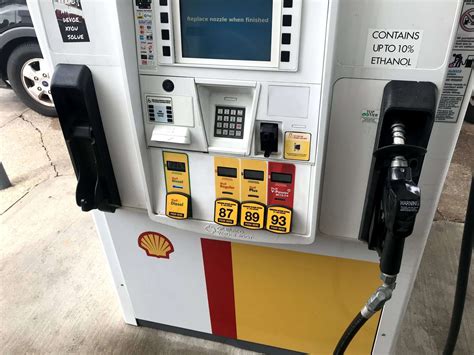
The primary difference between regular (typically 87 octane) and premium (typically 91-93 octane) gasoline lies in its octane rating. Octane is not a measure of energy content or purity, but rather a measure of a fuel’s resistance to pre-ignition or ‘knocking’ (also known as ‘pinging’ or ‘detonation’).
Engine knocking occurs when the air-fuel mixture ignites spontaneously before the spark plug fires, creating uncontrolled explosions that can damage engine components over time. Higher octane fuel is more stable and less prone to this spontaneous combustion under pressure and heat.
When is Premium Fuel Truly Necessary?
Premium fuel is essential for engines specifically designed with high compression ratios or forced induction systems (turbochargers or superchargers). These engines create significantly more pressure and heat within the combustion chambers, making them susceptible to knocking with lower octane fuel.
- High-Performance Vehicles: Many sports cars, luxury vehicles, and performance-oriented sedans are engineered to maximize power and efficiency using high octane fuel. Their engine control units (ECUs) are calibrated to advance ignition timing aggressively, which requires premium fuel to prevent knocking.
- Forced Induction (Turbo/Supercharged): Turbocharged or supercharged engines compress more air into the cylinders, leading to higher pressures and temperatures. Premium fuel helps these engines operate safely and at their peak performance without damaging detonation.
- Manufacturer’s Recommendation: The simplest rule of thumb is to always follow your vehicle manufacturer’s recommendation, which can be found in your owner’s manual or on the inside of your fuel filler door. If premium fuel is ‘required,’ using anything less can lead to reduced performance and potential engine damage. If it’s ‘recommended,’ you might see a slight performance boost, but it’s often not critical for longevity.

The Impact on Engine Longevity and Performance
For Engines Requiring Premium Fuel:
If your engine is designed for premium fuel, using it is crucial for both longevity and performance. Not doing so can lead to:
- Reduced Performance: The engine’s ECU will detect knocking and retard ignition timing to protect the engine, resulting in a noticeable drop in horsepower and fuel efficiency.
- Potential Engine Damage: Persistent knocking can cause severe long-term damage to pistons, connecting rods, and cylinder walls, significantly shortening engine life.
For Engines Designed for Regular Fuel:
Here’s where the myths often lead to wasted money. For the vast majority of vehicles designed to run on regular 87 octane fuel, using premium 91 or 93 octane offers virtually no benefit:
- No Performance Boost: Your engine’s ECU is programmed for 87 octane. Pouring in higher octane fuel won’t magically unlock more horsepower or torque; the engine simply isn’t designed to take advantage of it.
- No Improved Longevity: Premium fuel contains the same detergents and additives as regular fuel (by law, all gasoline sold in the U.S. contains detergents to prevent carbon buildup). It won’t clean your engine any better or extend its life beyond what regular fuel would.
- Wasted Money: You’re paying extra for a higher octane rating that your engine doesn’t need and cannot utilize.

Fuel Additives and Engine Health
It’s worth noting that all gasoline sold in the U.S. is required to contain certain detergent additives to prevent deposits from forming on engine parts like intake valves and fuel injectors. Premium fuels may sometimes contain higher concentrations of these detergents or additional proprietary additives, but these benefits are generally marginal for engines not prone to specific deposit issues and are often available in specialized fuel system cleaners you can add to your tank periodically.
The Real Keys to Engine Longevity & Performance
If your goal is to maximize your engine’s longevity and performance, focus on these proven practices rather than just the octane number:
- Adhere to Maintenance Schedules: Regular oil changes with the correct type of oil, timely filter replacements (air, oil, fuel), and spark plug changes are paramount.
- Use Quality Fuel (Appropriate Octane): Always use the octane level specified by your manufacturer. If it requires premium, use premium. If it recommends regular, stick with regular from a reputable station.
- Monitor Warning Lights: Don’t ignore check engine lights. They often indicate issues that, if left unaddressed, can lead to costly repairs.
- Smooth Driving Habits: Avoid excessive idling, harsh acceleration, and sudden braking, which put unnecessary stress on engine components.
The Verdict: Is It Worth It?
For the discerning car owner, the answer to whether premium fuel is ‘worth it’ is clear: yes, if your vehicle’s manufacturer explicitly requires or strongly recommends it. In these cases, it’s not just about performance; it’s about protecting a significant investment and ensuring your engine operates as intended for its full lifespan.
However, for the vast majority of vehicles, opting for premium fuel when regular is specified offers no tangible benefits to performance, longevity, or engine cleanliness. Instead, channel those extra dollars into diligent maintenance, which is universally recognized as the single most effective way to ensure your engine runs strong for years to come.
![500+ Mechanic Pictures [HD] | Download Free Images on Unsplash](/images/aHR0cHM6Ly90czQubW0uYmluZy5uZXQvdGg/aWQ9T0lQLmlBTEViakotbFJqV21CWHA4WjdjQ0FIYUVaJnBpZD0xNS4x.webp)