For many men, the quest for a sculpted physique often centers on two primary goals: shedding stubborn belly fat and simultaneously building lean muscle. While these objectives might seem at odds – fat loss typically requiring a calorie deficit and muscle gain a surplus – a strategic approach known as body recomposition makes it not only possible but highly efficient. This article will outline the most effective routine, integrating nutrition, training, and recovery, to help men achieve this dual transformation.
The Dual Challenge: Why It’s Possible
Losing fat while building muscle is a challenging but achievable feat, especially for those new to training or returning after a break. It involves leveraging the body’s adaptive capabilities through smart training and precise nutrition. The key is creating a slight calorie deficit for fat loss while ensuring adequate protein intake and stimulus to support muscle protein synthesis.
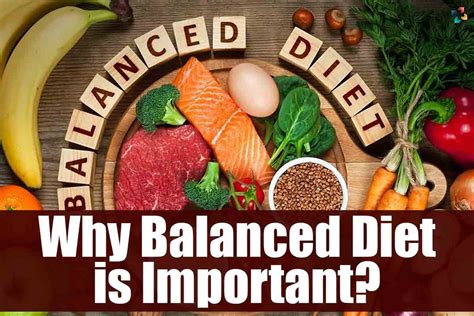
Pillar 1: Nutrition – The Foundation of Fat Loss and Muscle Growth
Nutrition is paramount. You can’t out-train a poor diet.
Calorie Deficit for Fat Loss
- Target a Moderate Deficit: Aim for a daily deficit of 300-500 calories below your maintenance level. This allows for fat loss without severely compromising energy for muscle building.
- Calculate Your TDEE: Use an online calculator to estimate your Total Daily Energy Expenditure (TDEE) and subtract your deficit.
High Protein Intake for Muscle Preservation and Growth
- Protein is King: Consume 0.8 to 1 gram of protein per pound of body weight daily. This is crucial for repairing muscle tissue after workouts and preserving lean mass during a deficit.
- Sources: Prioritize lean meats, poultry, fish, eggs, dairy, and plant-based proteins like legumes and tofu.
Smart Carbohydrate and Fat Management
- Carbohydrates: Focus on complex carbs (oats, brown rice, whole grains, vegetables) for sustained energy, especially around workouts. Adjust intake based on training intensity.
- Healthy Fats: Include healthy fats (avocado, nuts, seeds, olive oil) for hormonal balance and overall health, aiming for 20-30% of your total daily calories.
Pillar 2: Strength Training – Sculpting Your Physique
Resistance training is non-negotiable for building muscle and signaling to your body to hold onto it during fat loss. The goal is to maximize muscle protein synthesis and maintain strength.
Compound Lifts are King
- Focus: Prioritize multi-joint exercises that work several muscle groups simultaneously.
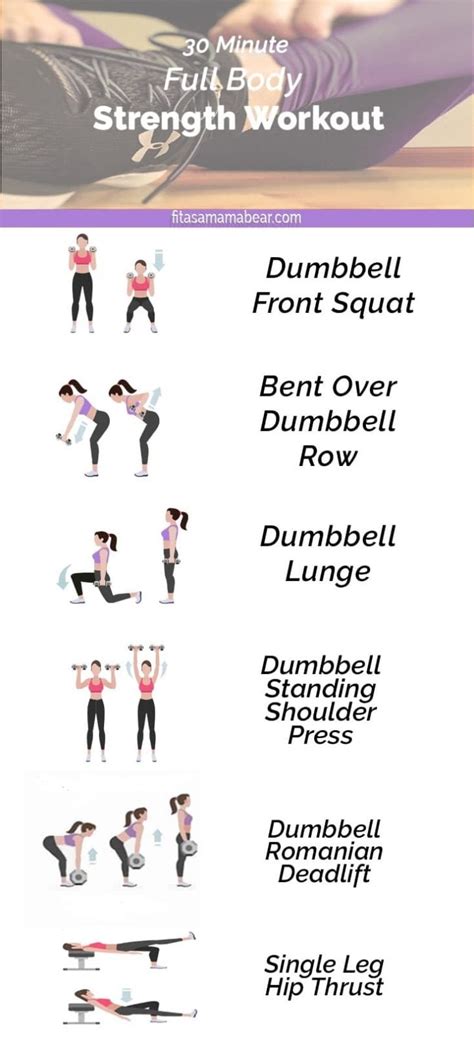
- Examples: Squats, deadlifts, bench presses, overhead presses, rows, pull-ups. These movements elicit a greater hormonal response and build foundational strength and muscle.
Progressive Overload
- Continuously Challenge: To grow muscle, you must consistently increase the demands placed on it. This means lifting heavier weights, doing more reps, or increasing sets over time.
- Rep Range: Aim for 3-4 sets of 6-12 repetitions for most exercises, pushing close to failure.
Training Frequency and Volume
- Full Body or Upper/Lower Splits: Train each muscle group 2-3 times per week. A 3-day full-body split or a 4-day upper/lower split are highly effective for stimulating muscle growth.
- Keep Workouts Intense: Aim for 45-60 minutes of focused lifting.

Pillar 3: Strategic Cardiovascular Exercise
Cardio supports fat loss, improves cardiovascular health, and can aid recovery, but it shouldn’t detract from your strength training.
High-Intensity Interval Training (HIIT)
- Efficiency: 2-3 sessions per week of 15-20 minutes can be highly effective for fat burning due to the EPOC (excess post-exercise oxygen consumption) effect.
- Examples: Sprints, battle ropes, burpees, cycling intervals.
Low-Intensity Steady State (LISS)
- Recovery and Fat Burning: 2-3 sessions per week of 30-45 minutes (e.g., brisk walking, light cycling) on off days or after strength training can burn calories without impeding recovery.
Pillar 4: Recovery and Lifestyle Factors
Your body grows and recovers outside the gym.
Prioritize Sleep
- 7-9 Hours: Adequate sleep is crucial for hormone regulation (growth hormone, testosterone, cortisol), muscle repair, and energy levels.
Manage Stress
- Cortisol Control: Chronic stress elevates cortisol, which can hinder fat loss and muscle gain. Incorporate stress-reducing activities like meditation, yoga, or hobbies.

A Sample Weekly Routine for Men
This is a template; adjust based on your schedule and recovery needs.
- Monday: Strength Training (Full Body A) – Squats, Bench Press, Bent-Over Rows, Overhead Press, Bicep Curls, Tricep Extensions.
- Tuesday: Active Recovery / LISS Cardio – 30-45 min brisk walk or light cycle.
- Wednesday: Strength Training (Full Body B) – Deadlifts, Incline Dumbbell Press, Pull-ups/Lat Pulldowns, Lunges, Calf Raises, Abdominal work.
- Thursday: HIIT Session – 15-20 min sprints or circuits.
- Friday: Strength Training (Full Body C) – Leg Press, Dumbbell Rows, Dips, Lateral Raises, Face Pulls, Plank variations.
- Saturday: Active Recovery / LISS Cardio – Optional, or pure rest.
- Sunday: Rest – Focus on recovery and nutrition.
Consistency and Patience: The Ultimate Ingredients
There’s no magic bullet for losing belly fat and building muscle quickly. Consistency in your diet and training, coupled with patience, is what truly delivers results. Track your progress, adjust your calories and training as needed, and celebrate small victories. With dedication to this efficient routine, men can successfully transform their physiques, achieving both leanness and strength.