The Dual Pursuit: Ambition and Connection
For many ambitious men, the pursuit of professional success can often feel at odds with the demands of a thriving personal relationship. The challenge isn’t merely about finding time, but about effectively managing the inevitable conflicts that arise without derailing either aspiration. This delicate balance requires more than just good intentions; it demands strategic thinking, emotional intelligence, and a proactive approach to nurturing both a career and a partnership.
Understanding the Core Challenge
The primary tension often stems from perceived scarcity: scarcity of time, energy, and mental bandwidth. Ambitious endeavors consume significant resources, leaving less available for deeply engaging in relationship dynamics, particularly during times of conflict. Misunderstandings, unmet expectations, and differing priorities can escalate quickly if not addressed with care and intention. The key is to recognize that relationships, much like careers, require investment and strategic management.

Pillars of Effective Conflict Management
Successful men understand that conflict isn’t the enemy; avoidance is. Instead, they approach disagreements as opportunities for deeper understanding and growth. Central to this approach are:
- Proactive Communication: Regular, open dialogue about stressors, goals, and feelings prevents small issues from festering into large ones. It’s about creating a safe space where both partners feel heard and valued.
- Active Listening: Truly understanding a partner’s perspective, without immediately formulating a defense or solution, is crucial. This means focusing on their emotions and needs, not just the words they use.
- Empathy and Validation: Acknowledging a partner’s feelings, even if you don’t fully agree with their viewpoint, de-escalates tension and builds trust. Phrases like, “I can see why you feel that way,” can be incredibly powerful.
Strategic Integration: Ambition and Partnership
Rather than viewing ambition and relationship as competing forces, successful men integrate them. This involves:
- Shared Vision: Discussing individual ambitions and how they fit into a collective future. A partner who feels part of the journey, rather than an obstacle to it, becomes a powerful ally.
- Boundary Setting: Clearly defining work hours and personal time. While flexibility is important, establishing boundaries helps protect relationship quality.
- Mutual Support: Actively seeking ways to support a partner’s goals, just as one expects support for their own. This reciprocity creates a resilient bond.

Cultivating Emotional Intelligence
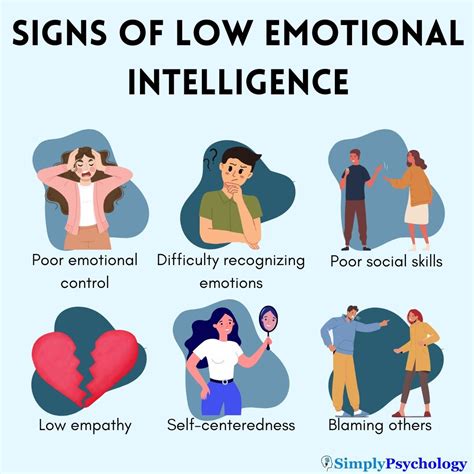
Emotional intelligence (EQ) is the bedrock of managing conflict without sacrificing ambition. It involves:
- Self-Awareness: Understanding one’s own emotional triggers, communication patterns under stress, and needs.
- Self-Regulation: The ability to manage one’s own impulses and emotions, preventing reactive outbursts during conflict. Taking a short break to cool down before discussing a heated topic is a prime example.
- Social Awareness: Perceiving and understanding a partner’s emotions and perspectives. This allows for more tailored and empathetic responses during disagreements.
- Relationship Management: Using awareness of one’s own emotions and those of others to manage interactions successfully, resolve conflicts, and build strong relationships.

Practical Strategies for Resolution
When conflict inevitably arises, successful men employ specific tactics:
- Scheduled Discussions: If a conflict is complex, setting aside a specific time to discuss it, rather than trying to hash it out on the fly, ensures both parties are prepared and focused.
- Focus on Solutions, Not Blame: Shifting the conversation from “who’s wrong” to “how can we solve this together” is transformative.
- Win-Win Mindset: Aiming for outcomes where both partners feel their core needs have been addressed, even if it requires compromise from both sides.
- Seeking Professional Help: Recognizing when external guidance from a therapist or coach can facilitate healthier communication and resolution.
The Long-Term Vision: Growth and Resilience
Managing relationship conflict effectively isn’t a one-time fix but an ongoing practice. Successful men view their relationships as dynamic entities that require continuous learning, adaptation, and investment. By consistently applying these principles, they not only resolve immediate conflicts but also build a foundation of trust, respect, and mutual understanding that strengthens the relationship over time. This resilience allows them to pursue their ambitions with the full support and stability of a thriving personal life, demonstrating that true success encompasses both professional achievement and profound personal connection.