
For men seeking to excel in all aspects of life – from demanding careers to intense workouts – diet is not just about sustenance; it’s the fundamental fuel source that dictates performance. A strategically crafted diet can significantly impact energy levels, muscle growth, and cognitive sharpness. Moving beyond generic health advice, this article delves into the specific nutritional components and dietary patterns crucial for optimizing male performance.
Understanding the Pillars of Male Performance Nutrition
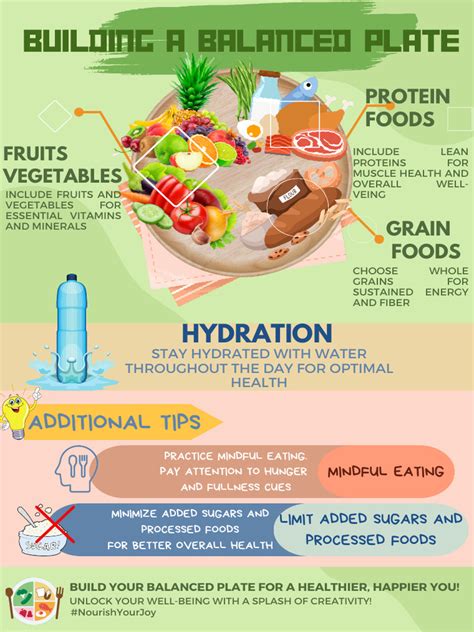
Optimizing male performance requires a holistic approach to nutrition, focusing on macronutrients (carbohydrates, proteins, fats) for energy and building blocks, and micronutrients (vitamins, minerals) for countless physiological processes. The goal is to provide sustained energy, support muscle repair and growth, and enhance brain function without dips or crashes.
Fueling Sustainable Energy
Sustained energy is the bedrock of consistent performance. While simple sugars offer a quick burst, they inevitably lead to a crash. The focus should be on complex carbohydrates, healthy fats, and a robust intake of specific micronutrients.
- Complex Carbohydrates: These provide a steady release of glucose into the bloodstream, offering prolonged energy. Excellent sources include whole grains (oats, quinoa, brown rice), sweet potatoes, and legumes.
- Healthy Fats: Essential for hormone production, nutrient absorption, and long-lasting energy, especially during lower-intensity, longer-duration activities. Incorporate avocados, nuts, seeds (chia, flax, hemp), and olive oil.
- B Vitamins: Crucial for converting food into energy. Found in lean meats, eggs, dairy, whole grains, and leafy green vegetables.
- Iron and Magnesium: Vital for oxygen transport and muscle function, respectively. Red meat, spinach, lentils, and dark chocolate are good sources.

Building and Maintaining Muscle Mass
To support muscle growth, repair, and strength, a high-quality protein intake is non-negotiable, alongside other muscle-supporting nutrients.
- High-Quality Protein: Aim for a variety of lean protein sources rich in essential amino acids. This includes lean beef, chicken breast, turkey, fish (salmon, tuna), eggs, dairy products (Greek yogurt, cottage cheese), and plant-based options like lentils, chickpeas, and tofu. Distribute protein intake throughout the day to maximize muscle protein synthesis.
- Zinc: Important for testosterone production and protein synthesis. Found in oysters, red meat, nuts, and beans.
- Vitamin D: Plays a role in muscle function and bone health. Sunlight exposure and fatty fish are key sources.

Sharpening Mental Focus and Cognitive Function
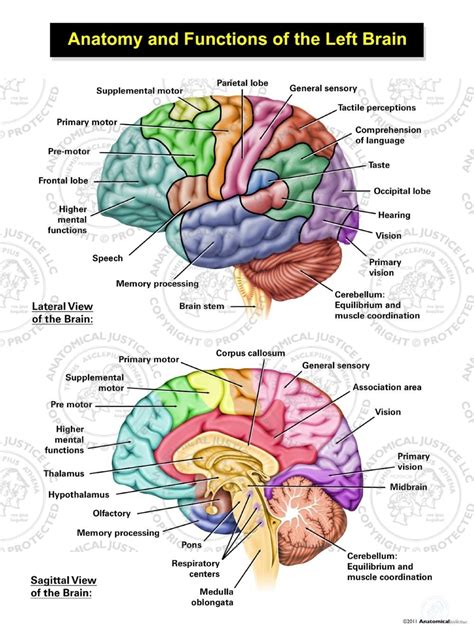
A sharp mind is as crucial as a strong body. Specific nutrients can enhance memory, concentration, and overall brain health.
- Omega-3 Fatty Acids: Especially EPA and DHA, these are critical for brain health, reducing inflammation, and improving cognitive function. Found abundantly in fatty fish (salmon, mackerel, sardines), walnuts, and flaxseeds.
- Antioxidants: Berries, dark leafy greens (spinach, kale), and dark chocolate protect brain cells from oxidative stress.
- Choline: A precursor to acetylcholine, a neurotransmitter important for memory and muscle control. Eggs, beef liver, and soybeans are rich sources.
- Hydration: Even mild dehydration can impair cognitive function, mood, and energy levels. Consistent water intake throughout the day is paramount.
Key Nutritional Strategies and Habits
Beyond specific foods, how you eat them matters.
- Consistency: Regular, nutrient-dense meals and snacks prevent energy dips and maintain stable blood sugar.
- Meal Timing: Strategically timing carbohydrate and protein intake around workouts can optimize recovery and muscle growth.
- Portion Control: While nutrient density is key, managing portion sizes is vital to avoid unwanted weight gain and ensure optimal nutrient absorption.
- Limit Processed Foods: These often contain empty calories, unhealthy fats, and excessive sugars that detract from performance.
- Personalization: Individual needs vary based on activity level, body composition goals, and dietary preferences. Consulting a dietitian can help tailor a plan.
Conclusion: A Holistic Approach to Male Nutrition
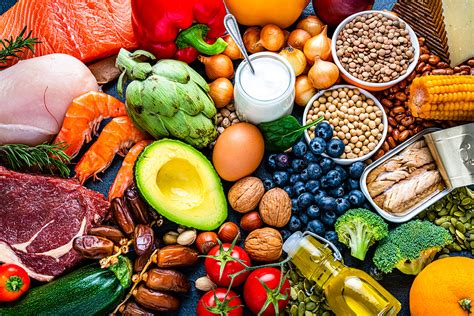
Optimizing male performance isn’t about restrictive diets or fad solutions; it’s about consistently fueling your body with the right nutrients. By prioritizing whole, unprocessed foods rich in complex carbohydrates, lean proteins, healthy fats, and a spectrum of vitamins and minerals, men can unlock their full potential – experiencing heightened energy, robust muscle development, and unshakeable mental focus. Make these dietary shifts a cornerstone of your lifestyle, and watch your performance transform.