In the vast world of men’s style, countless trends come and go, promising to elevate your look. Yet, amidst the myriad of choices, there’s one fundamental principle that remains timeless, universally impactful, and surprisingly, often overlooked. It’s not about the brand, the price tag, or the latest fad; it’s about something far more intrinsic to how clothes are worn.
The Unsung Hero of Men’s Style: Fit
Many men prioritize quantity over quality, or brand name over how a garment actually sits on their body. This leads to wardrobes full of clothes that, while perhaps stylish in isolation, fail to create a cohesive and flattering aesthetic when worn. The number one style rule men consistently overlook for a sharper, more confident look is, without a doubt: perfect fit.
It sounds simple, almost too obvious, but the difference between clothes that fit ‘okay’ and clothes that fit ‘perfectly’ is monumental. A well-fitting garment can instantly transform your physique, conveying an impression of neatness, purpose, and self-assurance that no amount of expensive branding can replicate.
Why a Good Fit Transforms Your Look and Confidence
The impact of proper fit extends far beyond mere aesthetics. When your clothes fit correctly, they enhance your natural silhouette, making you appear taller, broader in the shoulders, and more streamlined. This subtle visual enhancement translates into a significant psychological boost.
Think about it: ill-fitting clothes can make you feel sloppy, uncomfortable, and even self-conscious. Conversely, slipping into a shirt or jacket that drapes just right, a pair of trousers that break perfectly at the ankle, or a suit that hugs your frame in all the right places, instills a sense of effortless elegance. This newfound comfort and confidence radiates outward, affecting how you carry yourself, interact with others, and approach your day.

Common Fit Faux Pas and How to Spot Them
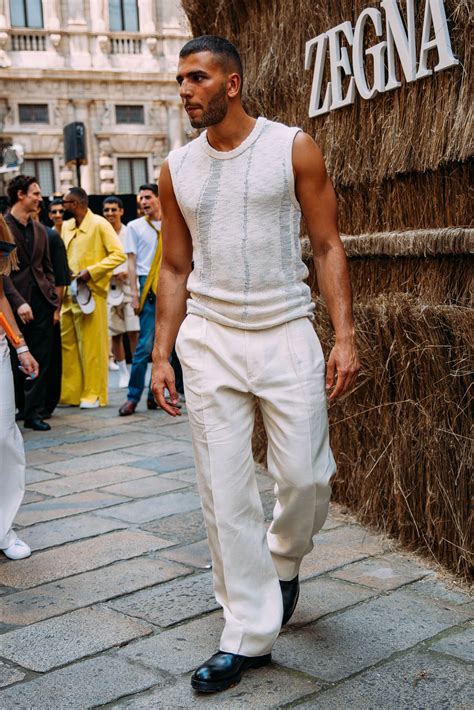
So, what does ‘bad’ fit look like? It often manifests in two extremes: too baggy or too tight. Baggy clothes, with excess fabric pooling or hanging loosely, make you appear larger and less defined. Shoulders that sag past your natural shoulder line, sleeves that extend over your hands, or trousers that puddle around your shoes are classic examples of an outfit that lacks crispness.
On the other hand, clothes that are too tight create an equally unflattering silhouette. Buttons straining, fabric pulling across the chest or thighs, and restricted movement all signal a garment that’s too small. Both scenarios detract from your overall presentation, undermining the very confidence you’re trying to project.

Mastering the Art of the Perfect Fit
Achieving perfect fit doesn’t necessarily mean buying bespoke everything. It begins with understanding your own measurements and knowing what to look for when shopping off-the-rack. Pay close attention to the shoulders of jackets and shirts – this is the hardest area to alter. Ensure sleeves hit just above the wrist bone, and pant hems either kiss the top of your shoes with minimal break or have a subtle crop, depending on the style.
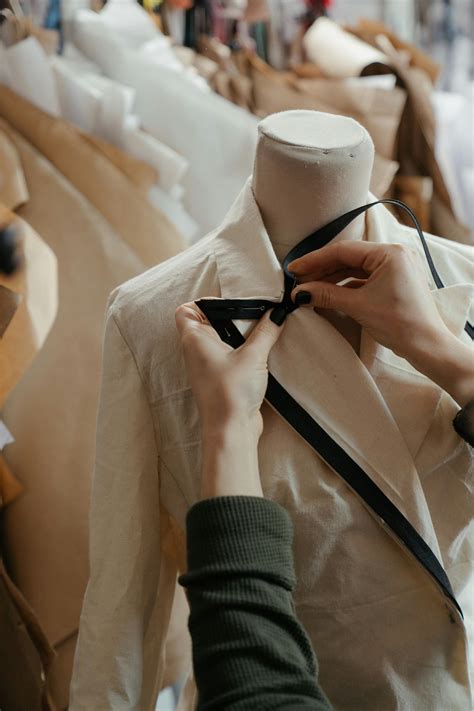
The true secret weapon, however, is your local tailor. Consider a tailor not as an optional luxury, but an essential partner in your style journey. A small investment in alterations can elevate even an inexpensive garment to look custom-made, providing a return in confidence and polished appearance that far outweighs the cost.
The Transformative Power
Once you start prioritizing fit, you’ll notice an immediate and profound change in your appearance. Your clothes will drape better, your posture will seem improved, and you’ll exude an air of intentionality. This subtle shift is what truly separates the well-dressed man from the rest – it’s the attention to detail that signals you care about your presentation and, by extension, yourself.
So, next time you’re getting dressed or shopping for new items, pause and ask yourself: does this truly fit? By making fit your number one style rule, you’re not just buying clothes; you’re investing in a sharper, more confident version of yourself.