
In today’s fast-paced professional world, many men spend significant hours hunched over desks, a habit that often leads to chronic back pain, reduced energy, and plummeting productivity. Investing in ergonomic office gear isn’t just a luxury; it’s a critical investment in long-term health and performance. This guide will help you navigate the best ergonomic solutions designed to support your body, prevent discomfort, and supercharge your work output.
The Foundation: Ergonomic Office Chairs
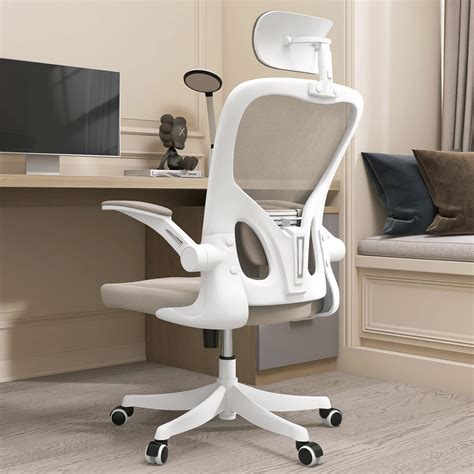
A high-quality ergonomic office chair is the cornerstone of a healthy workspace. For men, finding a chair that provides robust support for varying body types and weights is crucial. Look for features like adjustable lumbar support, seat depth, armrests (height and pivot), and tilt mechanisms. These adjustments allow you to customize the chair to fit your unique physique, promoting a natural spinal curve and reducing pressure points.
Key considerations include breathable materials, a sturdy base, and a smooth-rolling caster system. A good ergonomic chair will distribute your weight evenly, improve circulation, and encourage proper posture throughout your workday, effectively battling the onset of back and neck pain.
Dynamic Workflows: Standing Desks and Converters
Prolonged sitting is often dubbed the new smoking due to its myriad health risks. Integrating a standing desk or a desk converter allows you to seamlessly alternate between sitting and standing, promoting movement, improving blood flow, and reducing spinal compression. For men, the ability to stretch and change positions can significantly alleviate stiffness and discomfort that builds up during long work sessions.
When choosing, consider electric height adjustment for ease of use, memory presets for quick transitions, and sufficient surface area for your setup. If a full standing desk isn’t feasible, a sturdy desk converter that sits atop your existing desk offers similar benefits without a complete overhaul.

Precision & Comfort: Ergonomic Keyboards and Mice
Your hands and wrists are just as susceptible to strain as your back and neck. Traditional keyboards and mice can force wrists into unnatural angles, leading to repetitive strain injuries (RSIs) like carpal tunnel syndrome. Ergonomic keyboards, often featuring a split design or a gentle curve, help maintain a natural wrist posture.
Similarly, vertical mice are designed to keep your hand in a more natural “handshake” position, reducing forearm pronation and wrist tension. Trackballs or specialized contoured mice can also offer significant relief. Investing in these peripherals is a small change that yields substantial benefits for long-term comfort and productivity.
Optimal Viewing: Monitor Arms and Risers
The position of your monitor directly impacts your neck and upper back health. Straining to look up, down, or sideways can lead to chronic neck pain and tension headaches. A monitor arm or riser allows you to position your screen(s) at eye level, ensuring your head is balanced directly over your spine.
For men with dual monitor setups, monitor arms provide flexibility and save desk space, enabling you to create an ideal viewing angle for both screens. This simple adjustment prevents forward head posture and encourages a more aligned sitting or standing position.

Supporting the Periphery: Footrests and Lumbar Supports
While often overlooked, ergonomic footrests and external lumbar supports play a vital role in completing an ergonomic setup. A footrest can ensure proper leg and foot positioning, especially for shorter individuals or those whose chair prevents their feet from resting flat on the floor. This improves circulation and takes pressure off the lower back.
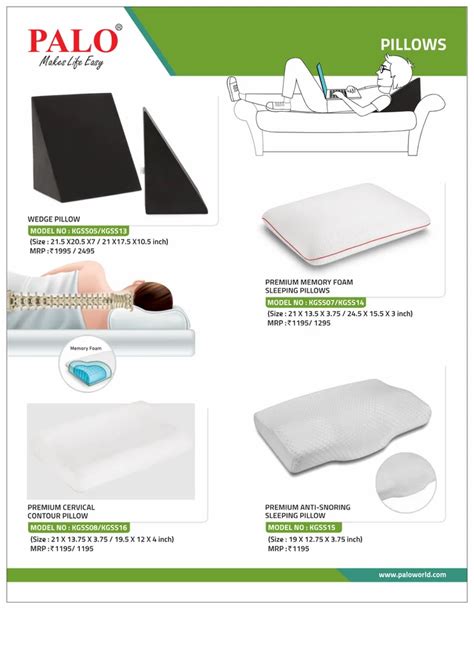
Even with a good ergonomic chair, some men might benefit from an additional lumbar support cushion to fill any gap between their lower back and the chair back, reinforcing the natural curve of the spine. These small additions can make a big difference in preventing fatigue and discomfort over extended periods.
Beyond the Basics: Lighting and Smart Accessories
An truly ergonomic workspace extends beyond the main gear. Proper lighting is essential to reduce eye strain and headaches; task lighting can be a great addition. Anti-fatigue mats are invaluable for standing desk users, providing cushioning and encouraging subtle movement.
Furthermore, cable management solutions keep your workspace tidy, reducing clutter and improving focus. Consider a balance board for your standing desk to engage core muscles, or a simple desk plant to improve air quality and mood. Every element contributes to a more productive and pain-free environment.

Conclusion: Invest in Your Well-being and Performance
Equipping your office with ergonomic gear is a proactive step towards a healthier, more productive professional life. For men, who often push through discomfort, these tools are not just about preventing back pain but about maintaining peak physical and mental performance. By carefully selecting the right ergonomic chair, desk, peripherals, and accessories, you can transform your workspace into a haven of comfort and efficiency, allowing you to focus on your work without the constant distraction of aches and pains. Make the investment in yourself – your body and your productivity will thank you.