Understanding Octane Ratings: More Than Just a Number
The fuel pump offers a choice: regular, mid-grade, and premium. For many drivers, the decision often comes down to a nagging question: “Will spending more on premium fuel make my daily commute better, faster, or save me money in the long run?” This common dilemma is surrounded by misconceptions, leading many to needlessly empty their wallets or, conversely, worry about damaging their engine. Let’s cut through the myths and uncover what octane rating truly means for your vehicle’s performance and your budget.

What Octane Really Measures
Octane isn’t a measure of energy content or “power” in fuel. Instead, it indicates a fuel’s resistance to pre-ignition, also known as engine “knocking” or “pinging.” When fuel and air compress in an engine cylinder, they ignite via a spark plug. If the fuel ignites prematurely due to excessive compression and heat before the spark, it creates a conflicting combustion event. This uncontrolled explosion is the “knock,” and it can cause significant engine damage over time.
Higher octane fuels are more stable and can withstand greater compression before spontaneously igniting. This property is crucial for engines designed with high compression ratios or forced induction (turbochargers, superchargers), which naturally generate more heat and pressure within the cylinders.
Regular vs. Premium: Engine Design is Key
The critical factor in determining what octane your car needs isn’t how expensive the fuel is, but what the vehicle manufacturer specifies. Most modern vehicles, especially those designed for everyday commuting, are engineered to run perfectly on regular 87-octane gasoline. Their engines have compression ratios and ignition timing optimized for this fuel level.
Using premium (91-93 octane) in an engine designed for regular fuel offers no discernible benefit. Your car’s engine control unit (ECU) is programmed to adjust timing based on the fuel it expects. If it detects higher octane than needed, it won’t magically unlock extra horsepower or fuel efficiency. It simply doesn’t have the internal mechanics to take advantage of the higher knock resistance.
Performance Boosts: A Costly Myth for Most
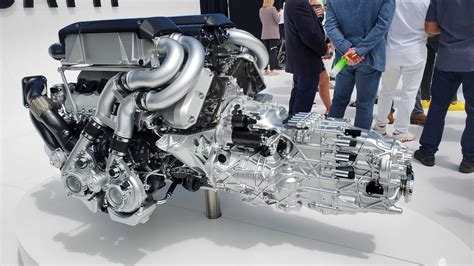
The idea that premium fuel “boosts performance” for every car is largely a marketing-fueled myth. For vehicles requiring premium fuel (often high-performance sports cars, luxury vehicles, or certain turbocharged models), using the correct octane prevents performance degradation. These engines are designed with advanced timing and higher compression to extract maximum power, and they rely on premium fuel’s knock resistance to operate optimally without the ECU having to retard timing to prevent knocking. In these cases, using regular fuel will reduce performance and potentially cause long-term damage.
However, for the vast majority of cars – those designed for regular unleaded – putting in premium fuel is like giving a healthy person a strong antibiotic; it’s unnecessary and offers no extra benefit. Independent tests and automotive experts consistently confirm that a car built for 87 octane will not gain horsepower, improve acceleration, or achieve better fuel economy by running on 91 or 93 octane.
Saving Money: Follow Manufacturer Recommendations
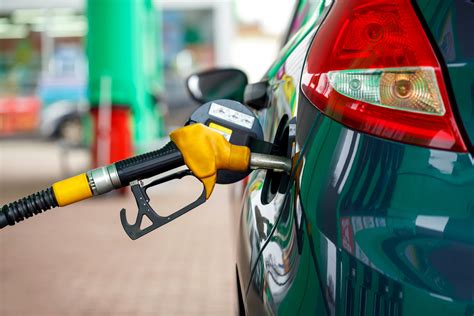
The most straightforward way to save money on fuel is to simply follow your car’s owner’s manual. If your car “requires” premium, then you must use it to ensure proper engine function and longevity. If your car “recommends” premium, you can use it, but it’s often not strictly necessary unless you frequently drive under extreme conditions (e.g., heavy towing, very hot climates, aggressive driving). If your car simply states “87 octane recommended,” then anything higher is money literally burned away.
Over the course of a year, repeatedly filling up with premium fuel when your car doesn’t need it can add hundreds of dollars to your automotive expenses. These savings can easily go towards other vehicle maintenance, tires, or even just your daily coffee habit.

When Premium Fuel IS Necessary
There are indeed specific scenarios where premium fuel is not just beneficial but essential:
- Manufacturer Requirement: Your car’s owner’s manual or fuel door explicitly states “Premium Fuel ONLY” or “91+ Octane Required.”
- High-Performance Engines: Vehicles with high-compression engines, turbochargers, or superchargers are engineered to operate at higher pressures and require the increased knock resistance of premium fuel.
- Engine Knocking (Rare): If your car, designed for regular fuel, consistently knocks or pings, it might indicate an engine problem or poor-quality fuel. Trying a tank of premium might temporarily alleviate the knocking, but the underlying issue should be diagnosed by a mechanic.

The Bottom Line for Your Commute
For the average daily commute, the vast majority of vehicles are designed to operate flawlessly and efficiently on regular 87-octane gasoline. Spending extra on premium fuel for these cars does not boost performance, improve fuel economy, or clean your engine any better. It simply costs you more money. Your best bet for both optimal performance and cost savings is to always consult your vehicle’s owner’s manual and stick to the manufacturer’s recommended octane rating. Drive smart, not expensively.