Conquering the Mid-Life Metabolic Shift: Your Guide to Shredding Fat & Building Muscle
As men cross the threshold into their 30s, the body’s metabolism naturally begins to slow, testosterone levels can gradually decline, and lifestyle factors often make fat loss and muscle gain more challenging. However, these changes are not insurmountable. With a targeted approach focusing on nutrition, exercise, and lifestyle, men over 30 can effectively shred stubborn belly fat and build lean, functional muscle. This article outlines the best strategies to redefine your physique and boost your health.

Strategic Nutrition: Fueling Fat Loss and Muscle Growth
Prioritize Protein Intake
Protein is your ally. It’s crucial for muscle repair and growth, helps increase satiety (keeping hunger at bay), and has a higher thermic effect than carbs or fats, meaning your body burns more calories digesting it. Aim for 1.6-2.2 grams of protein per kilogram of body weight daily, distributed across your meals. Excellent sources include lean meats, poultry, fish, eggs, dairy, and legumes.
Manage Carbohydrates Wisely
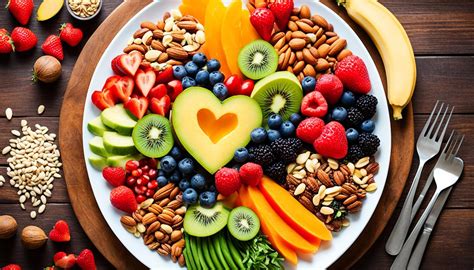
Carbohydrates are not the enemy, but their quality and timing matter. Focus on complex carbohydrates like whole grains, fruits, and vegetables, which provide fiber, vitamins, and sustained energy. Limit refined sugars and highly processed carbs that contribute to blood sugar spikes and fat storage. Consider cycling your carb intake, with higher carb days on intense training days and lower carb days on rest or lighter activity days.
Embrace Healthy Fats
Healthy fats are essential for hormone production (including testosterone), nutrient absorption, and overall health. Incorporate sources like avocados, nuts, seeds, olive oil, and fatty fish. These fats help you feel full and support metabolic function. Just remember, fats are calorie-dense, so moderation is key for fat loss.
Calorie Deficit for Fat Loss
To lose fat, you must consume fewer calories than you burn. Start by calculating your maintenance calories and then create a moderate deficit of 300-500 calories. Avoid extreme deficits, as they can lead to muscle loss and slow your metabolism. Consistency is far more important than drastic measures.
Optimized Training: Building Strength & Torching Fat
Strength Training is Non-Negotiable
Muscle is metabolically active tissue; the more muscle you have, the more calories you burn at rest. For men over 30, strength training becomes even more vital as it helps combat age-related muscle loss (sarcopenia) and supports healthy testosterone levels. Focus on compound movements (squats, deadlifts, bench press, overhead press, rows) that work multiple muscle groups simultaneously. Aim for 3-4 full-body or upper/lower split workouts per week.
Incorporate High-Intensity Interval Training (HIIT)
HIIT is incredibly effective for fat loss, particularly for stubborn belly fat. Short bursts of maximal effort followed by brief recovery periods can elevate your metabolism for hours post-workout. Integrate 1-2 HIIT sessions per week, replacing some steady-state cardio. Examples include sprint intervals, battle ropes, or cycling.
Strategic Cardio for Recovery and Health
While HIIT is powerful, don’t neglect low-intensity steady-state (LISS) cardio. LISS can aid in recovery, improve cardiovascular health, and burn additional calories without adding excessive stress or interfering with strength gains. Walking, jogging, or cycling for 30-45 minutes on rest days or post-strength training can be beneficial.

Lifestyle Factors: The Unsung Heroes
Prioritize Quality Sleep
Sleep deprivation significantly impacts hormones that regulate appetite (ghrelin and leptin) and fat storage (cortisol). It also hinders muscle recovery and growth hormone production. Aim for 7-9 hours of quality sleep per night. Establish a consistent sleep schedule, create a dark, cool, and quiet bedroom environment, and limit screen time before bed.
Manage Stress Levels
Chronic stress leads to elevated cortisol levels, which promotes belly fat storage and can hinder muscle growth. Incorporate stress-reduction techniques into your daily routine, such as meditation, yoga, spending time in nature, or hobbies you enjoy. Finding healthy outlets for stress is crucial for both physical and mental well-being.
Hydration is Key
Often overlooked, adequate hydration is fundamental for all bodily functions, including metabolism, fat burning, and muscle performance. Drink plenty of water throughout the day. Sometimes thirst is mistaken for hunger, leading to unnecessary calorie consumption.
Consider Hormone Health
For men over 30, declining testosterone can impact energy, mood, muscle mass, and fat distribution. If you suspect hormonal imbalances, consult with a doctor to discuss blood tests and potential strategies. Lifestyle interventions like resistance training, adequate sleep, stress management, and a healthy diet are foundational for supporting natural testosterone levels.

Consistency and Patience: The Ultimate Strategy
Shredding stubborn belly fat and building lean muscle takes time, dedication, and consistency. There will be plateaus and challenges, but staying committed to your plan and making sustainable lifestyle changes will yield lasting results. Track your progress, adjust your strategies as needed, and celebrate the small victories along the way. Your 30s and beyond can be your fittest years yet!