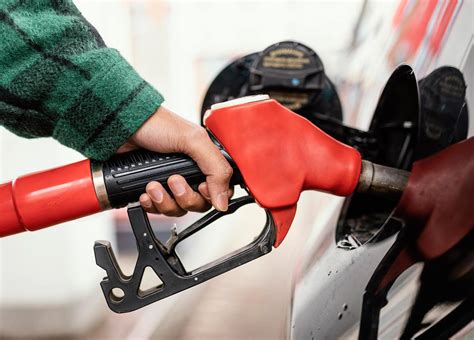
The choice between premium and regular gasoline is a common dilemma for many car owners. While some drivers instinctively reach for the higher octane, believing it offers superior performance or better care for their vehicle, the reality is more nuanced. This article will cut through the marketing jargon and common misconceptions to explain when premium fuel is truly beneficial and when it’s simply an unnecessary expense for your car.
What Exactly Is Octane and Why Does It Matter?
Octane is not a measure of energy content or fuel purity; rather, it indicates a fuel’s resistance to “knock” or pre-ignition. Engine knock occurs when the air-fuel mixture ignites prematurely, out of sync with the spark plug, creating a jarring sound and potentially damaging engine components. Higher octane fuels are more stable and resist this premature combustion under compression, making them suitable for engines that operate at higher temperatures and pressures.

When Premium Fuel is Actually Necessary
The vast majority of cars on the road today are designed to run perfectly fine on regular 87-octane gasoline. However, certain high-performance vehicles, especially those with high compression ratios, turbochargers, or superchargers, explicitly require premium fuel. These engines operate under more extreme conditions, and the higher octane helps prevent damaging pre-ignition, ensuring the engine performs as designed and avoids long-term wear.
If your car’s manufacturer specifies premium fuel, it’s not a recommendation; it’s a requirement. Modern engines equipped with knock sensors can detect pre-ignition and will adjust engine timing to compensate if lower-octane fuel is used. While this prevents immediate damage, it also results in reduced power, lower fuel efficiency, and may still lead to increased wear over time.
Consult Your Owner’s Manual: The Ultimate Authority
The definitive answer to whether your car needs premium fuel lies in one place: your vehicle’s owner’s manual. Manufacturers clearly state the recommended (or required) fuel type. If your manual says “regular 87 octane” or “unleaded gasoline,” using premium fuel will not provide any performance boost, better mileage, or cleaner engine operation. It simply means you’re spending more money for no tangible benefit.

Dispelling Common Myths About Premium Fuel
There are several persistent myths surrounding premium fuel:
- “Premium fuel cleans your engine better.” Both regular and premium fuels sold today contain detergents and additives designed to keep your engine clean. There’s no inherent “cleaning power” advantage in higher octane fuel.
- “Premium gives you more horsepower or better mileage.” Unless your engine is designed to take advantage of higher octane (which is rare for regular-spec cars), you won’t see a boost in power or fuel economy. In fact, if your car’s computer retards timing due to premium in a regular-only engine (though less common than the reverse), it could theoretically be worse, though usually, it’s neutral.
- “Using premium occasionally is good for your car.” This is generally false. Your car’s engine management system is calibrated for a specific octane range. Deviating from the recommended fuel, especially if consistently done, can disrupt optimal performance.

The Verdict: Spend Wisely, Drive Smart
For the vast majority of vehicles, including many of the performance-oriented cars on the market today, opting for premium fuel when it’s not required is akin to pouring money directly down the drain. The “benefit” of higher octane only materializes when an engine needs that extra resistance to knock to perform as designed. If your car is specified for regular fuel, you are doing your engine no favors by upgrading; you’re simply paying a higher price per gallon.
The key takeaway is simple: trust your manufacturer. If your owner’s manual specifies regular 87 octane, stick to it. If it mandates premium, then it’s a non-negotiable requirement for the health and performance of your vehicle. The gender of the driver has absolutely no bearing on the chemical requirements of the engine.