
Understanding Testosterone and Its Importance
Testosterone, the primary male sex hormone, plays a crucial role in men’s health, influencing everything from muscle mass and bone density to mood, energy levels, and libido. As men age, testosterone levels naturally decline, but lifestyle factors can also contribute to lower levels at any age. While medical interventions exist, many men seek natural ways to optimize their testosterone through diet and exercise. This guide explores scientifically-backed strategies to help boost your testosterone naturally.
Fueling Testosterone Through Diet
What you eat profoundly impacts your hormonal balance. Incorporating certain nutrients and avoiding others can significantly support healthy testosterone production.

Essential Nutrients for Testosterone Production:
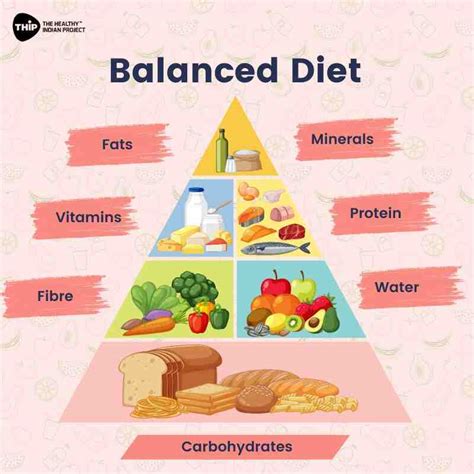
- Zinc: This mineral is vital for testosterone production. Good sources include oysters, red meat, poultry, beans, nuts, and whole grains.
- Vitamin D: Often called the “sunshine vitamin,” Vitamin D is more accurately a pro-hormone and has a strong correlation with testosterone levels. Spend time in the sun, and consume fatty fish, fortified dairy, or consider a supplement under medical guidance.
- Healthy Fats: Monounsaturated and polyunsaturated fats are crucial for hormone production. Avocados, nuts, seeds, olive oil, and fatty fish like salmon are excellent choices. Saturated fats in moderation can also play a role, but focus on healthy sources.
- Magnesium: Found in leafy greens, nuts, seeds, and whole grains, magnesium can improve free and total testosterone levels.
- Cruciferous Vegetables: Broccoli, cauliflower, cabbage, and Brussels sprouts contain compounds that help the body metabolize estrogen, which can indirectly support testosterone balance.
Foods to Limit or Avoid:
Processed Foods and Sugars: High intake of refined sugars and ultra-processed foods can lead to insulin resistance and inflammation, negatively impacting testosterone. Opt for whole, unprocessed foods.
Excessive Alcohol: Chronic heavy alcohol consumption can disrupt the endocrine system and lower testosterone levels.
Building Testosterone Through Exercise
Physical activity, especially certain types of exercise, is a powerful natural testosterone booster. The key is to find the right balance without overtraining.

Strength Training: Your Testosterone Ally
Resistance training, involving heavy compound movements, is highly effective. Exercises like squats, deadlifts, bench presses, overhead presses, and rows engage large muscle groups, stimulating a significant hormonal response. Aim for 3-4 sessions per week, focusing on progressive overload (gradually increasing weight or reps).
Key Principles:
- Compound Movements: Prioritize exercises that work multiple joints and muscle groups simultaneously.
- Heavy Lifting: Work with weights that challenge you, typically in the 6-12 rep range for hypertrophy and strength gains.
- Adequate Rest: Allow muscles to recover and grow; 48-72 hours between working the same muscle group is ideal.

High-Intensity Interval Training (HIIT):
Short bursts of intense exercise followed by brief recovery periods have also shown promise in boosting testosterone. HIIT can be incorporated into your routine a couple of times a week, complementing strength training without leading to overtraining.
Avoid Overtraining and Chronic Cardio:
While exercise is beneficial, excessive long-duration endurance cardio (like marathon running without proper recovery) can sometimes lead to an increase in cortisol (a stress hormone) and a decrease in testosterone. Balance is key. Listen to your body and ensure adequate recovery.
The Holistic Approach: Beyond Diet and Exercise
While diet and exercise are paramount, other lifestyle factors significantly impact testosterone levels.
- Adequate Sleep: Aim for 7-9 hours of quality sleep per night. Poor sleep significantly impacts hormone production.
- Stress Management: Chronic stress elevates cortisol, which can suppress testosterone. Incorporate stress-reducing activities like meditation, yoga, or hobbies.
- Maintain a Healthy Weight: Obesity is strongly linked to lower testosterone. Losing excess body fat can positively impact hormone levels.
Conclusion: A Path to Optimal Testosterone
Boosting testosterone naturally is a holistic endeavor that combines smart dietary choices with effective exercise strategies and healthy lifestyle habits. By focusing on nutrient-dense foods, prioritizing strength training and HIIT, getting enough sleep, and managing stress, men can significantly optimize their hormonal health. Always consult with a healthcare professional before making significant changes to your diet or exercise regimen, especially if you suspect a deficiency or have underlying health conditions.