The Dual Goal: Muscle Gain and Fat Loss
For many men, the ultimate physique goal isn’t just one or the other, but a powerful combination: building lean muscle mass while simultaneously shedding stubborn body fat. This process, often referred to as body recomposition, is challenging but highly achievable with the right nutritional strategies, and protein stands at the absolute forefront of this endeavor. Understanding the optimal protein intake is not just about hitting a number; it’s about leveraging protein’s multifaceted benefits to sculpt a stronger, leaner body.

Why Protein is Your Best Ally
Protein plays several critical roles that make it indispensable for men pursuing muscle growth and fat loss:
- Muscle Protein Synthesis (MPS): Protein provides the amino acids, the building blocks your body needs to repair and build muscle tissue, especially after resistance training. Adequate protein ensures that your muscles can recover and grow stronger.
- Satiety and Appetite Control: Protein is the most satiating macronutrient. A high-protein diet helps you feel fuller for longer, reducing overall calorie intake and making it easier to stick to a caloric deficit necessary for fat loss without feeling constantly hungry.
- Thermic Effect of Food (TEF): Protein has a higher TEF than carbohydrates or fats. This means your body expends more energy (calories) to digest, absorb, and metabolize protein. While not a huge factor on its own, it contributes to your daily energy expenditure.
- Preserving Lean Muscle Mass: When you’re in a caloric deficit, your body can sometimes break down muscle for energy. A high protein intake signals to your body to preserve muscle tissue while primarily burning fat stores for fuel, crucial for maintaining strength and metabolic rate.
How Much Protein is Optimal?
The general recommendation for protein intake varies, but for men actively building muscle and burning fat, a higher intake is generally beneficial. While the standard RDA is 0.8g/kg (0.36g/lb) of body weight, this is merely to prevent deficiency, not optimize performance or body composition.
For active men:
- General Recommendation: Aim for 1.6 to 2.2 grams of protein per kilogram of body weight (0.7 to 1.0 grams per pound of body weight).
- During a Caloric Deficit: When trying to burn stubborn fat, you may benefit from pushing towards the higher end of this range, or even slightly above, up to 2.4-2.7 g/kg (1.1-1.2 g/lb) to maximize muscle preservation and satiety.
- Consider Body Composition: If you are significantly overweight, base your protein intake on your target lean body mass rather than your total body weight to avoid excessively high intake.
For example, a man weighing 180 lbs (approx. 82 kg) would aim for 126-180 grams of protein daily, potentially pushing towards 200+ grams when aggressively cutting fat.
Timing and Distribution for Maximum Benefit
While total daily protein intake is paramount, how you distribute it throughout the day can also optimize its effects.
- Even Distribution: Instead of consuming most of your protein in one or two large meals, aim to spread your protein intake evenly across 3-5 meals throughout the day. This provides a steady supply of amino acids, optimizing muscle protein synthesis. Aim for 25-40 grams of protein per meal.
- Pre and Post-Workout: Consuming protein around your workouts (e.g., within 1-2 hours before and after) can be beneficial for muscle repair and growth, though the ‘anabolic window’ is wider than previously thought. A protein-rich meal or shake pre- or post-training is a good strategy.
- Before Bed: A slow-digesting protein source like casein (found in cottage cheese or casein protein powder) before bed can provide a sustained release of amino acids overnight, supporting muscle recovery while you sleep.
Top Protein Sources for Men
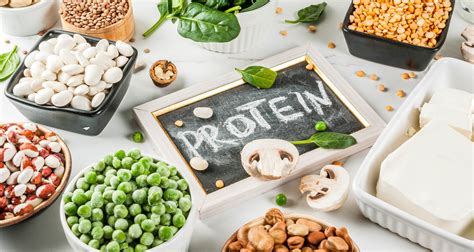
Prioritizing high-quality, whole food protein sources is key for overall health and effectiveness. Here are excellent options:
- Lean Meats: Chicken breast, turkey breast, lean beef (sirloin, round), pork loin.
- Fish: Salmon, tuna, cod, tilapia (rich in Omega-3s, especially salmon).
- Eggs: Whole eggs are a complete protein source and nutrient-dense.
- Dairy: Greek yogurt, cottage cheese, milk (excellent sources of casein and whey).
- Legumes and Plant-Based Proteins: Lentils, beans, chickpeas, tofu, tempeh, edamame, seitan (combine plant sources to ensure a complete amino acid profile).
- Protein Supplements: Whey protein (fast-digesting, great post-workout), casein protein (slow-digesting), plant-based protein powders (pea, rice, soy) can be convenient ways to meet your daily targets, especially around workouts or when whole food options are limited.

Practical Tips for Implementation
Successfully integrating optimal protein intake into your routine requires consistency and planning:
- Track Your Intake: Use a food tracking app for a few days to understand your current protein consumption and identify areas for improvement.
- Meal Prep: Prepare protein-rich meals and snacks in advance to ensure you always have healthy options readily available.
- Prioritize Protein First: When planning meals, think about your protein source first, then add vegetables, healthy fats, and complex carbohydrates.
- Hydration: While not directly protein-related, adequate water intake is crucial for overall health, nutrient transport, and can help manage hunger.
- Listen to Your Body: Adjust your intake based on how you feel, your energy levels, and your progress towards your goals.
Conclusion
For men aiming to build muscle and burn stubborn fat, an optimal protein intake is not merely beneficial; it’s a cornerstone of success. By prioritizing a high protein diet—typically 1.6-2.2 g/kg (0.7-1.0 g/lb) of body weight, potentially higher during aggressive fat loss phases—and distributing it effectively throughout the day, you can maximize muscle protein synthesis, enhance satiety, and preserve lean mass. Combine this with consistent strength training and a slight caloric deficit, and you’ll be well on your way to achieving a powerful, lean, and muscular physique.