Understanding Testosterone’s Vital Role
Testosterone, often called the primary male sex hormone, plays a critical role far beyond just libido and fertility. It’s fundamental for building muscle mass, maintaining bone density, distributing fat, producing red blood cells, and impacting mood and energy levels. As men age, testosterone levels can naturally decline, but lifestyle factors significantly influence these levels at any stage. Optimizing testosterone naturally can lead to significant improvements in body composition, energy, mental clarity, and overall well-being.

Dietary Pillars for Testosterone Support
What you eat directly impacts your hormonal health. A balanced diet rich in specific nutrients is crucial for testosterone production:
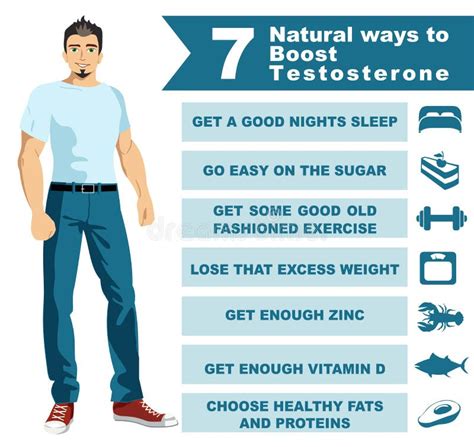
- Healthy Fats: Cholesterol is a precursor to testosterone, so incorporating healthy fats from sources like avocados, nuts, seeds, olive oil, and fatty fish (salmon, mackerel) is essential. Monounsaturated and saturated fats in moderation are vital.
- Protein: Adequate protein intake supports muscle synthesis and overall hormonal balance. Aim for lean protein sources such as chicken, turkey, eggs, lean beef, and plant-based options like lentils and beans.
- Micronutrients: Zinc and Vitamin D are particularly important. Zinc can be found in oysters, red meat, poultry, and beans, while Vitamin D is primarily obtained from sun exposure, fatty fish, and fortified foods. Magnesium, found in leafy greens, nuts, and whole grains, also plays a role.
- Limit Processed Foods and Sugar: These can lead to inflammation and insulin resistance, negatively impacting testosterone production.
Exercise Strategies for Hormonal Balance
Physical activity, especially certain types, is a powerful natural testosterone booster:
- Resistance Training: Lifting weights or performing bodyweight exercises that challenge your muscles has been shown to significantly increase testosterone. Focus on compound movements like squats, deadlifts, bench presses, and rows.
- High-Intensity Interval Training (HIIT): Short bursts of intense exercise followed by brief recovery periods can also stimulate testosterone production.
- Avoid Overtraining: While exercise is good, excessive or prolonged intense training without adequate recovery can elevate cortisol (stress hormone) and actually lower testosterone. Listen to your body and ensure sufficient rest.

The Critical Role of Quality Sleep
Sleep deprivation is a silent destroyer of testosterone. Studies have shown that even a week of restricted sleep can significantly reduce testosterone levels in healthy young men. During deep sleep, the body carries out essential repair and hormone production processes.
- Aim for 7-9 Hours: Prioritize 7-9 hours of quality, uninterrupted sleep per night.
- Establish a Routine: Go to bed and wake up at consistent times, even on weekends.
- Optimize Your Sleep Environment: Make your bedroom dark, quiet, and cool. Avoid screens before bed.
Stress Management and Cortisol Control
Chronic stress leads to elevated cortisol levels. High cortisol is inversely related to testosterone, meaning as cortisol goes up, testosterone tends to go down. Managing stress is therefore crucial for hormonal health:
- Mindfulness and Meditation: Regular practice can significantly reduce stress and cortisol.
- Hobbies and Relaxation: Engage in activities you enjoy to unwind and de-stress.
- Deep Breathing Exercises: Simple techniques can calm the nervous system.

Key Lifestyle Factors for Optimal Testosterone
Beyond diet, exercise, and sleep, several other lifestyle choices can influence your testosterone:
- Limit Alcohol Consumption: Excessive alcohol intake can negatively impact testicular function and liver metabolism, both of which affect testosterone.
- Maintain a Healthy Weight: Obesity, especially abdominal fat, is strongly linked to lower testosterone due to increased aromatase activity (which converts testosterone to estrogen).
- Sunlight Exposure: Regular, sensible exposure to sunlight helps your body produce Vitamin D, which is directly linked to testosterone levels.
- Avoid Endocrine Disruptors: Minimize exposure to plastics (BPA, phthalates), pesticides, and certain chemicals found in personal care products, which can mimic hormones and disrupt endocrine function.

Conclusion: A Holistic Approach
Optimizing testosterone naturally isn’t about quick fixes or magic pills; it’s about adopting a holistic and sustainable lifestyle. By consistently prioritizing nutrient-dense foods, effective exercise, sufficient sleep, and stress reduction techniques, you can empower your body to produce and regulate testosterone more effectively. This comprehensive approach will not only contribute to improved body composition and sustained energy but also enhance your overall health, vitality, and quality of life.