As men cross the threshold of 30, the body undergoes a series of subtle yet significant changes. Metabolism tends to slow, testosterone levels can gradually decline, and a busy lifestyle often leaves less time for dedicated fitness. However, these changes don’t make building muscle and losing stubborn belly fat impossible; they simply require a more strategic and efficient approach. This article will outline the core principles for men over 30 to achieve their physique goals effectively.
Understanding the Physiological Shifts After 30
Firstly, it’s crucial to acknowledge what’s happening. Reduced muscle mass (sarcopenia) can begin, further impacting metabolism. Hormonal shifts can make fat storage around the midsection more prevalent, and recovery might take longer. The good news is that with targeted strategies, you can counteract these effects and optimize your body’s potential.
The Cornerstone: Intelligent Strength Training
For men over 30, strength training isn’t just beneficial; it’s non-negotiable for building muscle and boosting metabolism. Focus on compound movements that work multiple muscle groups simultaneously, such as squats, deadlifts, bench presses, overhead presses, and rows. These exercises provide the biggest bang for your buck, stimulating maximum muscle growth and calorie expenditure.
Emphasize progressive overload: consistently challenging your muscles by increasing weight, reps, sets, or decreasing rest times. Aim for 3-4 full-body or upper/lower split workouts per week, ensuring adequate rest between sessions for muscle repair and growth.

Fueling for Success: Nutrition for Muscle and Fat Loss
You can’t out-train a poor diet. Nutrition is paramount for both muscle gain and fat loss. To lose stubborn belly fat, a consistent caloric deficit is essential, but it must be managed carefully to preserve muscle mass. Aim for a deficit of 300-500 calories below your maintenance level.
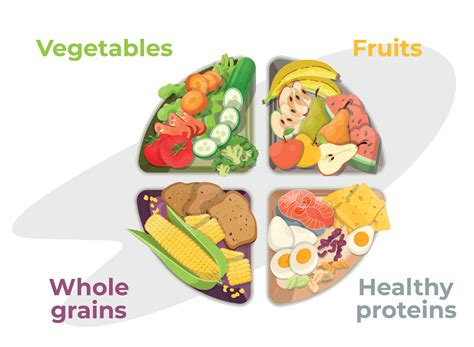
Prioritize protein intake to support muscle repair and growth, aiming for 1.6-2.2 grams per kilogram of body weight daily. Include lean meats, poultry, fish, eggs, dairy, and plant-based protein sources. Fill the rest of your diet with complex carbohydrates (oats, brown rice, sweet potatoes, whole grains) for energy and fiber, and healthy fats (avocado, nuts, seeds, olive oil) for hormonal health and satiety. Hydration is also key; drink plenty of water throughout the day.
Strategic Cardio and Non-Exercise Activity Thermogenesis (NEAT)
While strength training is king, strategic cardio can complement your fat loss efforts. High-Intensity Interval Training (HIIT) can be highly effective for burning calories and improving cardiovascular fitness in shorter periods, but shouldn’t be overdone (1-2 sessions per week). Low-Intensity Steady-State (LISS) cardio, like walking or light jogging, can also contribute to calorie expenditure without hindering recovery from strength training, making it a sustainable option.
Don’t underestimate the power of NEAT – the energy expended for everything we do that is not sleeping, eating, or sports-like exercise. Parking further away, taking the stairs, standing more, and walking during phone calls can significantly increase your daily calorie burn.
The Power of Recovery and Lifestyle Factors
Muscle growth doesn’t happen in the gym; it happens during recovery. Adequate sleep (7-9 hours per night) is critical for hormonal regulation (testosterone, growth hormone), muscle repair, and reducing cortisol levels (a stress hormone that can contribute to belly fat). Manage stress through meditation, hobbies, or spending time in nature, as chronic stress can also impede fat loss.
Consistency, Patience, and Monitoring Progress
Building muscle and losing stubborn fat is a journey, not a sprint. Consistency in your training, nutrition, and recovery is paramount. Don’t get discouraged by slow progress; plateaus are normal. Monitor your progress through objective measures like strength increases, body measurements, progress photos, and how your clothes fit, rather than solely relying on the scale.
Adjust your caloric intake or training variables as needed. Consider working with a coach who specializes in fitness for older adults to tailor a plan specifically for your body and goals.
Conclusion
While the body changes after 30, it remains incredibly adaptable. By adopting an intelligent approach to strength training, prioritizing nutrient-dense foods in a controlled deficit, incorporating strategic cardio, and focusing on quality recovery, men over 30 can efficiently build lean muscle and effectively shed stubborn belly fat. Embrace consistency, patience, and a holistic approach, and you’ll be well on your way to a stronger, leaner physique.