Understanding the Need for RFID Protection
In an increasingly digital world, contactless payment cards, passports, and even some driver’s licenses utilize Radio-Frequency Identification (RFID) technology. While convenient, this technology also presents a potential vulnerability: digital pickpocketing. Skimmers can covertly read your card information from a distance, without ever touching your wallet. This is where an RFID-blocking wallet becomes an essential piece of everyday carry for modern men, offering a crucial layer of security against identity theft and financial fraud.
However, simply being ‘RFID-blocking’ isn’t enough. A good wallet also needs to be durable, practical, and reflect your personal style. This guide will walk you through the key factors to consider when selecting an RFID-blocking wallet that meets all your needs.

Prioritizing Durability: Materials and Construction
A wallet is an item you use multiple times a day, every day. It needs to withstand constant handling, bending, and the elements. Durability is paramount, and it largely comes down to the materials and craftsmanship.
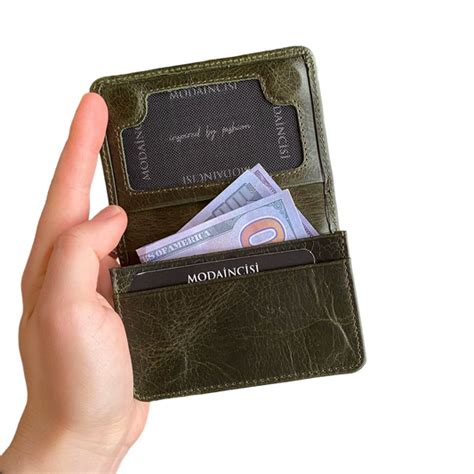
- Leather: Full-grain leather is the gold standard for durability and develops a rich patina over time. Top-grain is also very good. Avoid ‘genuine leather’ if possible, as it often refers to lower-quality, bonded scraps.
- Aluminum/Metal: These wallets offer excellent rigidity and often incorporate RFID blocking inherently due to the metal itself. They are resistant to bending and crushing.
- Carbon Fiber: Lightweight yet incredibly strong, carbon fiber wallets are sleek, modern, and highly resistant to wear and tear.
- Nylon/Synthetic Fabrics: While often lighter and water-resistant, ensure the fabric is a high-denier ballistic nylon or similar, known for its tear resistance.
Beyond the material, inspect the stitching. Look for tight, even stitches, preferably reinforced in stress areas. Edge finishing (whether folded, painted, or rolled) also speaks volumes about the wallet’s longevity.

Ensuring Robust RFID Security
The core purpose of this type of wallet is protection. Most RFID-blocking wallets work by incorporating a layer of metallic material (like aluminum foil or mesh) or carbon fiber that creates a Faraday cage around your cards, blocking radio waves.
- Certification: While there isn’t one universal certification, reputable brands often test their products and stand behind their blocking capabilities.
- Blocking Frequency: Ensure it blocks both high-frequency (13.56 MHz, used by most payment cards and passports) and low-frequency (125 kHz, used by older key cards) if you carry such items. Most modern wallets focus on 13.56 MHz.
- Internal Shielding: Some wallets offer selective shielding, meaning only specific pockets are blocked, allowing you to use non-sensitive cards (like a transit pass) without removing them.
A truly secure RFID wallet will give you peace of mind that your sensitive data is protected from unauthorized scanning.
Design, Capacity, and Comfort
The most secure and durable wallet is useless if it doesn’t fit your lifestyle. Consider how many cards, bills, and coins you typically carry.
- Slim Wallets/Cardholders: Ideal for minimalists who only carry a few essential cards and perhaps a folded bill or two. Excellent for front pocket carry, reducing bulk and improving security against pickpockets.
- Bifold/Trifold Wallets: The traditional choice, offering more capacity for cards, cash, and sometimes a clear ID window. Trifolds offer maximum storage but can be bulkier.
- Money Clip Wallets: A hybrid option, often featuring card slots on one side and a money clip on the other, balancing capacity with a slim profile.
- Travel Wallets: Larger wallets designed to hold passports, boarding passes, multiple currencies, and numerous cards, often with zipper closures for extra security.
Think about how the wallet feels in your hand and pocket. An overly bulky wallet can be uncomfortable and disrupt the line of your clothing.
![[Class 11] Data Types: Classification of Data in Python - Concepts](/images/aHR0cHM6Ly90czEubW0uYmluZy5uZXQvdGg/aWQ9T0lQLlV2R1piY29ldGFDYXg4bkFodnF3QmdIYUQ3JnBpZD0xNS4x.webp)
Making Your Final Decision
Before purchasing, consider your daily routine. Do you sit for long periods with your wallet in your back pocket? A slim front-pocket wallet might prevent back pain. Are you frequently in crowded areas? A highly secure, discreet wallet is crucial. Finally, don’t forget aesthetic appeal. Your wallet is a personal accessory; choose one that you find visually appealing and that complements your personal style.
Research reputable brands known for quality and customer satisfaction. Many offer warranties that speak to their confidence in their product’s durability. By weighing all these factors—durability, security, design, and personal preference—you can confidently choose an RFID-blocking wallet that will serve you well for years to come, keeping your valuables safe and your style intact.