The High-Interest Debt Trap and Your Path to Freedom
High-interest debt is often described as a financial quicksand, silently draining your resources and preventing you from achieving your long-term goals. Whether it’s credit card balances, personal loans with steep rates, or other forms of expensive borrowing, the cumulative effect can be staggering. But what if you could not only escape this trap but also pivot directly towards a future of true financial independence? The good news is, you can. It requires a clear strategy, consistent effort, and a powerful shift in mindset.
This article will guide you through practical steps to dismantle your high-interest debt and simultaneously build the foundations for robust financial freedom, ensuring you’re not just debt-free but financially resilient.
Understanding the Enemy: Why High-Interest Debt is So Pernicious
Before you can crush high-interest debt, it’s vital to understand its insidious nature. Unlike low-interest loans like mortgages, high-interest debt features APRs (Annual Percentage Rates) that can easily range from 15% to 30% or even higher. This means a significant portion of your monthly payments goes directly to interest, barely touching the principal balance. This cycle makes it incredibly difficult to get ahead, often leading to increased stress and limited financial flexibility.
The longer you carry high-interest balances, the more you pay overall, diverting funds that could otherwise be saved, invested, or used to improve your quality of life. Recognizing this financial drain is the first step towards motivating yourself to take decisive action.

Step 1: Get Ruthless with Your Budget
The foundation of any successful debt elimination plan is a solid budget. You need to know exactly where your money is going to identify areas for cuts. Start by tracking all your income and expenses for at least a month. Categorize everything: housing, transportation, food, entertainment, utilities, and, crucially, all debt payments.
Once you have a clear picture, look for opportunities to reduce discretionary spending. Can you eat out less? Cancel unused subscriptions? Find cheaper alternatives for services? Every dollar freed up from unnecessary expenses is a dollar that can be put towards your high-interest debt.
Step 2: Choose Your Debt Crushing Strategy
There are two primary methods for tackling multiple debts, each with its own psychological and mathematical advantages:
- Debt Snowball Method: List your debts from smallest balance to largest. Pay the minimum on all but the smallest, and throw every extra dollar you have at that smallest debt. Once it’s paid off, take the money you were paying on it and add it to the payment for the next smallest debt. This method provides psychological wins early on, keeping you motivated.
- Debt Avalanche Method: List your debts from highest interest rate to lowest. Pay the minimum on all but the debt with the highest interest rate, and aggressively pay down that one first. This method saves you the most money in interest over the long run, as you’re eliminating the most expensive debt first.
Choose the method that best suits your personality and stick to it. Consistency is key.

Step 3: Explore Debt Consolidation and Balance Transfers
For high-interest credit card debt, balance transfer credit cards or personal loans designed for debt consolidation can be powerful tools. A balance transfer credit card often offers an introductory 0% APR for a period (e.g., 12-18 months). If you can transfer your high-interest balances and pay them off entirely before the promotional period ends, you can save hundreds or even thousands in interest.
Similarly, a debt consolidation loan can combine multiple high-interest debts into one single loan with a lower interest rate and a fixed payment schedule. Be cautious, however: these tools are only effective if you stop accumulating new debt and commit to the repayment plan.
Step 4: Boost Your Income & Create a Debt Repayment Fund
While cutting expenses is crucial, increasing your income can accelerate your debt repayment dramatically. Consider taking on a side hustle, negotiating a raise at your current job, or selling unused items around your house. Every additional dollar earned, when directed solely at your high-interest debt, shortens your debt-free timeline.
As you free up money from your budget cuts and extra income, create a dedicated ‘debt repayment fund’ or simply direct these funds immediately to your highest priority debt.

Step 5: Laying the Foundation for Financial Independence
Once high-interest debt is under control or completely eliminated, your focus shifts to building wealth and achieving true financial independence. This involves several critical steps:
- Build a Robust Emergency Fund: Aim for 3-6 months of living expenses in an easily accessible, high-yield savings account. This prevents future emergencies from pushing you back into debt.
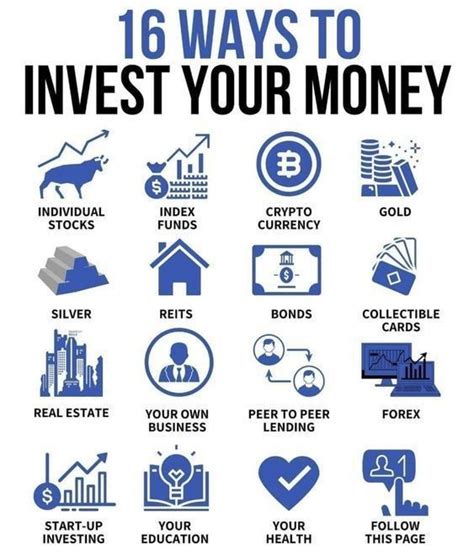
- Invest Consistently: Start investing in diversified funds (ETFs, index funds) through a retirement account (401k, IRA) and/or a taxable brokerage account. Take advantage of employer matching programs if available – it’s free money!
- Continue Budgeting and Tracking: Maintain your budgeting habits, but shift the focus from debt repayment to saving and investing goals.
- Educate Yourself: Continuously learn about personal finance, investing strategies, and wealth building to make informed decisions.
Step 6: Cultivate a Financial Independence Mindset
Financial independence is not just about numbers; it’s a mindset. It involves conscious decision-making, delayed gratification, and a long-term perspective. Celebrate your milestones, but always keep your ultimate goals in sight. Understand that financial independence gives you choices – the choice to pursue passions, to work less, to give more, or to simply live life on your own terms, free from financial worry.
Conclusion: Your Empowered Financial Future Starts Now
Crushing high-interest debt and boosting financial independence are not separate goals but two sides of the same coin. By systematically dismantling your debt, you free up incredible financial bandwidth and build the discipline necessary for wealth creation. The journey requires commitment, but the rewards—peace of mind, reduced stress, and the freedom to live life on your own terms—are immeasurable. Start taking these steps today, and watch as you transform your financial landscape for good.