Conquering High-Interest Debt: Your Path to Financial Freedom
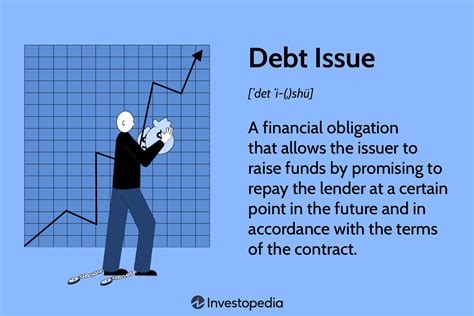
High-interest debt can feel like a heavy anchor, dragging down your financial progress and limiting your future potential. Whether it’s credit card balances, personal loans, or other costly obligations, developing a strategic plan is crucial to not just paying it off, but also building a robust foundation for lasting financial freedom. This article will outline the best strategies to tackle high-interest debt head-on and pave your way to a secure financial future.
Understanding Your Debt Landscape
Before you can crush your debt, you need to understand it thoroughly. Gather all your debt statements and list them out. For each debt, note down:
- The current balance
- The interest rate
- The minimum monthly payment
- The due date
This comprehensive overview will help you visualize the full scope of your obligations and identify your most aggressive enemies – those with the highest interest rates. Knowledge is power when facing financial challenges.

The Power of a Budget: Your Financial Roadmap
A realistic and well-followed budget is the cornerstone of any successful debt repayment plan. It helps you understand where your money is going and identify areas where you can cut back to free up more cash for debt payments. Start by tracking all your income and expenses for a month or two. Categorize your spending and distinguish between needs and wants. Once you have a clear picture, create a budget that prioritizes essential expenses, allocates funds for debt repayment, and even sets aside a small amount for an emergency fund.
Choosing Your Debt Eradication Strategy
There are two primary, highly effective strategies for paying down debt:
The Debt Avalanche Method
This method focuses on paying down debts with the highest interest rates first. You make minimum payments on all debts except the one with the highest interest rate, on which you pay as much extra as possible. Once that debt is paid off, you take the money you were paying on it and add it to the payment of the next highest interest rate debt. This approach saves you the most money in interest over time and is mathematically the most efficient.
The Debt Snowball Method
Conversely, the debt snowball method prioritizes psychological wins. You make minimum payments on all debts except the one with the smallest balance, on which you pay as much extra as possible. Once that smallest debt is paid off, you take the money you were paying on it and add it to the payment of the next smallest debt. This method builds momentum and motivation as you quickly eliminate smaller debts, making it easier to stick to your plan.
Accelerating Your Debt Payoff
Boost Your Income
Look for ways to increase your income, even temporarily. This could involve taking on a side hustle, selling unused items, or negotiating a raise at your current job. Every extra dollar earned can be directed towards your highest-interest debt, significantly speeding up the repayment process.
Consider Debt Consolidation or Refinancing
If you have multiple high-interest debts, consolidating them into a single, lower-interest loan can be a game-changer. Options include personal loans, balance transfer credit cards (with an introductory 0% APR), or even home equity loans/lines of credit (HELOCs). Be cautious with consolidation: ensure the new interest rate is genuinely lower and avoid accumulating new debt on the old accounts.
Building Your Foundation for Financial Freedom
While aggressively paying off debt, it’s crucial not to neglect building a secure financial future. These steps run parallel to your debt repayment journey:
Establish an Emergency Fund
Before you even attack your debt, or at least concurrently, aim to save a small emergency fund of $1,000 to $2,000. This fund acts as a buffer against unexpected expenses (car repairs, medical emergencies) that could otherwise force you back into debt. Once your high-interest debt is gone, grow this fund to 3-6 months’ worth of living expenses.

Start Investing Early (Even Small Amounts)
Once your high-interest debt is under control, begin allocating a portion of your income towards investments. Even small, consistent contributions can grow significantly over time thanks to the power of compound interest. Consider retirement accounts like a 401(k) or IRA, especially if your employer offers a match – that’s free money!
Maintain Momentum & Mindset
Paying off debt is a marathon, not a sprint. Celebrate small victories along the way to stay motivated. Regularly review your progress, adjust your budget as needed, and remind yourself of your ultimate goal: financial freedom. Educate yourself continually about personal finance to make informed decisions and maintain healthy money habits long after your debt is gone.

Conclusion
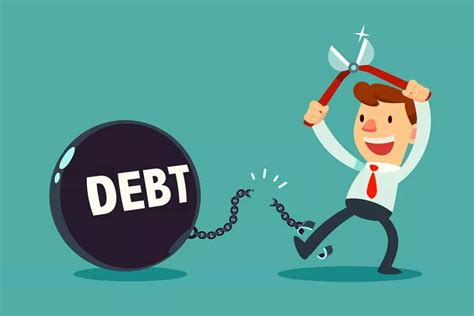
Crushing high-interest debt and building financial freedom requires discipline, strategy, and a clear vision. By understanding your debt, creating a strict budget, choosing an effective repayment method like the avalanche or snowball, and simultaneously building your financial safety nets, you can transform your financial landscape. Embrace the journey, stay persistent, and soon you’ll be living a life unburdened by debt, with the freedom to pursue your financial dreams.