For men looking to elevate their physical performance, improve body composition, and sustain energy levels, understanding the role of nutrition in metabolism and fat burning is paramount. This isn’t about restrictive fad diets, but rather adopting sustainable, practical eating habits that fuel your body efficiently.
The Power of Protein: Your Metabolic Accelerator
Protein is arguably the most crucial macronutrient for men aiming to boost metabolism and burn fat. It has a higher thermic effect of food (TEF) than carbohydrates or fats, meaning your body expends more energy digesting and metabolizing protein. Furthermore, protein helps preserve muscle mass, which is a key driver of your resting metabolic rate (RMR).
Aim for a protein intake of 1.6-2.2 grams per kilogram of body weight per day, distributed across your meals. Excellent sources include lean meats (chicken, turkey, beef), fish, eggs, dairy (Greek yogurt, cottage cheese), and plant-based options like lentils, beans, and tofu.
Smart Carbohydrate Choices: Fueling without Fat Storage
Carbohydrates are essential for energy, especially if you’re active. The key is to choose the right kind. Opt for complex carbohydrates over simple sugars. Complex carbs, found in whole grains, vegetables, and fruits, provide a steady release of glucose into the bloodstream, preventing energy crashes and reducing the likelihood of fat storage.
These foods are also rich in fiber, which aids digestion, promotes satiety, and can help regulate blood sugar levels. Limit refined carbohydrates like white bread, sugary cereals, and pastries, which offer little nutritional value and can lead to insulin spikes.
Embrace Healthy Fats: Essential for Hormonal Balance
Contrary to old myths, dietary fat doesn’t necessarily make you fat. Healthy fats are vital for hormone production, nutrient absorption, and overall cellular function. They also contribute to satiety, helping you feel full and satisfied, which can prevent overeating.
Incorporate sources like avocados, nuts (almonds, walnuts), seeds (chia, flax), olive oil, and fatty fish (salmon, mackerel) into your diet. These provide monounsaturated, polyunsaturated, and omega-3 fatty acids, all beneficial for metabolic health.
Hydration: The Unsung Hero of Metabolism
Water is often overlooked, but it plays a critical role in almost every bodily function, including metabolism. Dehydration can slow down your metabolic rate. Adequate water intake helps transport nutrients, regulate body temperature, and lubricate joints.
Aim to drink at least 8-10 glasses of water daily, and more if you’re exercising intensely or in a hot climate. Sometimes, what feels like hunger is actually thirst, so drinking water can also help control appetite.
Strategic Meal Timing and Frequency
While the exact number of meals isn’t as critical as total caloric intake and macronutrient distribution, some men find benefits in eating smaller, more frequent meals. This can help stabilize blood sugar, maintain consistent energy levels, and potentially keep your metabolism ticking over throughout the day. Listen to your body and find a pattern that works best for your lifestyle and hunger cues.

Fiber and Micronutrients for Optimal Function
Beyond macronutrients, a diet rich in fiber, vitamins, and minerals is crucial for a well-functioning metabolism. Fiber (found in fruits, vegetables, whole grains, and legumes) aids digestion, promotes gut health, and contributes to satiety. Vitamins and minerals act as cofactors in numerous metabolic reactions, ensuring your body can efficiently convert food into energy.
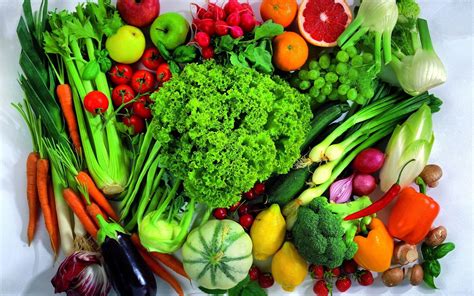
Ensure a diverse intake of colorful fruits and vegetables to get a broad spectrum of these essential micronutrients.
Minimize Processed Foods and Sugary Drinks
One of the most impactful changes men can make is drastically reducing or eliminating processed foods, sugary drinks, and excessive added sugars. These items are typically high in empty calories, unhealthy fats, and refined sugars, which can lead to inflammation, insulin resistance, and an accumulation of body fat, especially around the midsection.
Focus on whole, unprocessed foods that nourish your body rather than just filling it.

Putting It All Together: A Sustainable Approach
Implementing these strategies doesn’t require an overnight overhaul. Start by making small, consistent changes. Prioritize protein in every meal, swap refined carbs for whole grains, incorporate healthy fats, and stay well-hydrated. Track your progress, adjust as needed, and remember that consistency is key to long-term success.
By making these practical nutritional choices, men can effectively stoke their metabolic furnace, burn fat more efficiently, and achieve a healthier, more energetic physique.