The Dual Challenge: Shedding Fat and Gaining Muscle
For many men, simultaneously losing stubborn belly fat and building lean muscle can feel like an elusive goal. It’s often referred to as body recomposition, a process that requires a strategic, multi-faceted approach. While it challenges conventional wisdom that suggests bulking (gaining muscle) and cutting (losing fat) must be done separately, with the right strategies, it is entirely achievable, especially for those new to training or returning after a break.
Nutritional Pillars for Success
Your diet is the bedrock of any successful body recomposition plan. To lose fat, you must consume fewer calories than you burn (a deficit), but to build muscle, you need adequate nutrients, especially protein. The key is finding the right balance.
1. Strategic Calorie Deficit
Aim for a slight calorie deficit, typically 300-500 calories below your maintenance level. A large deficit can lead to muscle loss, while too small a deficit won’t effectively burn fat. Calculate your Total Daily Energy Expenditure (TDEE) and adjust from there.
2. High Protein Intake
Protein is crucial for muscle repair and growth, and it also helps keep you full. Target 1.6 to 2.2 grams of protein per kilogram of body weight (or 0.7 to 1 gram per pound). Focus on lean sources like chicken, fish, lean beef, eggs, and plant-based options.
3. Balanced Macronutrients
Don’t neglect healthy fats and complex carbohydrates. Fats are essential for hormone production and overall health, while carbs provide the energy for intense workouts. Prioritize whole, unprocessed foods. Fill your plate with vegetables for fiber and micronutrients.

Optimize Your Training Regimen
While diet creates the environment for fat loss, your training stimulates muscle growth. A well-structured workout plan is non-negotiable.
1. Strength Training is King
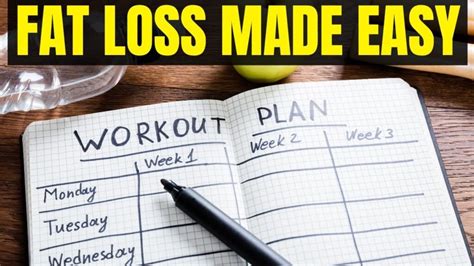
Focus on progressive overload with compound movements. Exercises like squats, deadlifts, bench presses, overhead presses, and rows work multiple muscle groups simultaneously, burning more calories and stimulating greater muscle growth. Aim for 3-4 full-body or upper/lower split strength training sessions per week. Lift heavy enough to challenge your muscles, typically 3-5 sets of 6-12 repetitions.

2. Strategic Cardio
Cardio can aid in fat loss but shouldn’t be overdone, as excessive amounts can interfere with muscle recovery and growth. Incorporate 2-3 sessions of either High-Intensity Interval Training (HIIT) or Low-Intensity Steady State (LISS) cardio per week.
- HIIT: Short bursts of intense exercise followed by brief recovery periods (e.g., sprints, battle ropes). Effective for calorie burning in less time.
- LISS: Longer, less intense sessions (e.g., brisk walking, cycling). Good for active recovery and overall cardiovascular health without excessive fatigue.
The Role of Lifestyle Factors
Beyond the gym and kitchen, several lifestyle habits play a critical role in your ability to lose fat and build muscle.
1. Prioritize Sleep
Adequate sleep (7-9 hours per night) is vital for muscle recovery, hormone regulation (including testosterone and growth hormone), and appetite control. Lack of sleep can increase cortisol (a stress hormone) and ghrelin (a hunger hormone), making fat loss harder.

2. Manage Stress
Chronic stress elevates cortisol levels, which can promote fat storage, especially around the belly. Incorporate stress-reducing activities like meditation, yoga, hobbies, or spending time in nature.
3. Stay Hydrated
Drinking plenty of water supports metabolism, aids in nutrient transport, and can help control hunger. Aim for at least 8-10 glasses of water daily.
Consistency, Patience, and Monitoring Progress
Body recomposition is a marathon, not a sprint. Results take time and unwavering commitment.
1. Track Your Progress
Don’t rely solely on the scale. Take progress photos, measure waist circumference, track strength gains in the gym, and note how your clothes fit. These metrics provide a more complete picture of your body’s changes.

2. Adjust as Needed
If progress stalls for more than 2-3 weeks, re-evaluate your calorie intake, protein consumption, or training intensity. Small adjustments are often more effective than drastic changes.
Key Takeaways for Lasting Results
- Calorie Control: A slight, consistent calorie deficit is crucial for fat loss.
- Protein Power: High protein intake preserves muscle and aids satiety.
- Lift Heavy: Strength training is paramount for muscle building and metabolic boost.
- Strategic Cardio: Use HIIT or LISS to enhance fat burning without overtraining.
- Rest & Recovery: Prioritize sleep and manage stress to optimize hormones and recovery.
- Patience: Results come gradually; consistency is your most powerful tool.
By integrating these principles into your daily routine, men can effectively lose stubborn belly fat and build the lean, strong physique they desire, transforming their bodies and their health.