Understanding ‘Man Boobs’ (Gynecomastia vs. Pseudogynecomastia)
Many men struggle with excess chest fat, a condition often colloquially referred to as ‘man boobs.’ It’s important to understand that there are generally two types: true gynecomastia and pseudogynecomastia (also known as adipomastia).
- Gynecomastia: This is the enlargement of male breast tissue due to a hormonal imbalance, often involving an excess of estrogen relative to testosterone. It can sometimes require medical intervention, though mild cases may improve with lifestyle changes.
- Pseudogynecomastia: This is far more common and refers to the accumulation of excess fatty tissue in the chest area, primarily due to being overweight or obese. In these cases, the solution lies primarily in reducing overall body fat through diet and exercise. This article focuses on addressing pseudogynecomastia.

The Ultimate Diet Plan to Combat Chest Fat
Reducing chest fat, like any other body fat, hinges on creating a consistent calorie deficit. This means consuming fewer calories than your body burns. However, it’s not just about eating less; it’s about eating smart.
1. Calorie Deficit is Key
To lose fat, you must consume fewer calories than you expend. Use an online TDEE (Total Daily Energy Expenditure) calculator to estimate your maintenance calories, then subtract 300-500 calories to create a sustainable deficit. Aim for a gradual fat loss of 1-2 pounds per week.
2. Focus on Whole, Unprocessed Foods
Eliminate highly processed foods, sugary drinks, excessive refined carbohydrates, and unhealthy trans fats. These contribute to calorie surplus and offer little nutritional value. Instead, build your diet around:
- Lean Proteins: Chicken breast, turkey, lean beef, fish, eggs, tofu, legumes.
- Complex Carbohydrates: Oats, brown rice, quinoa, sweet potatoes, whole-wheat bread.
- Healthy Fats: Avocados, nuts, seeds, olive oil, fatty fish (salmon).
- Plenty of Vegetables and Fruits: These are rich in fiber, vitamins, and minerals, helping you feel full without excess calories.
3. Prioritize Protein Intake
Protein is crucial for fat loss. It helps preserve muscle mass during a calorie deficit, is more thermogenic (burns more calories during digestion), and keeps you feeling satiated. Aim for 0.7 to 1 gram of protein per pound of your target body weight.
Effective Workouts to Sculpt Your Chest
While you can’t spot-reduce fat from specific areas, a well-rounded workout plan focusing on overall fat loss combined with chest-specific exercises will help reduce chest fat and build underlying muscle, leading to a more defined physique.
1. Compound Exercises for Overall Fat Loss
These exercises engage multiple muscle groups and burn a significant amount of calories, contributing to overall body fat reduction.
- Bench Press (Barbell or Dumbbell): Excellent for overall chest development.
- Push-ups: A fundamental bodyweight exercise that works the chest, shoulders, and triceps. Vary grip for different emphasis.
- Overhead Press: Targets shoulders and triceps but contributes to upper body strength.
- Rows (Barbell or Dumbbell): Balances pushing movements and works the back muscles.
- Squats and Deadlifts: Powerful full-body exercises that significantly boost metabolism and burn calories.
2. Targeted Chest Exercises for Definition
Once fat is reduced, these exercises will help shape and firm the chest muscles.
- Incline Dumbbell Press: Focuses on the upper chest, which can create a fuller, more aesthetic look.
- Cable Crossovers / Dumbbell Flyes: Isolate the chest muscles, promoting definition and stretch.
- Dips (Chest Version): An advanced exercise that strongly targets the lower chest.
- Pec Deck Flyes: Good for isolating the chest and achieving a strong contraction.
Perform 3-4 sets of 8-12 repetitions for most strength exercises. Aim for 3-4 strength training sessions per week, ensuring you hit all major muscle groups.

3. Incorporate Cardio
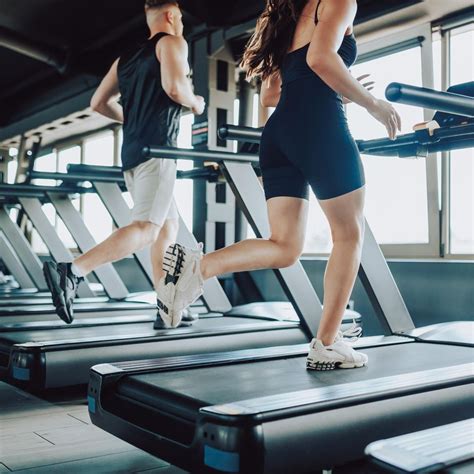
Cardiovascular exercise is essential for creating a calorie deficit and improving heart health. Aim for 150-300 minutes of moderate-intensity cardio per week, or 75-150 minutes of vigorous-intensity cardio. Examples include brisk walking, jogging, cycling, swimming, or HIIT (High-Intensity Interval Training).
Lifestyle Factors for Lasting Results
Diet and exercise are paramount, but other lifestyle elements play a significant role in fat loss and overall well-being.
- Get Enough Sleep: Aim for 7-9 hours of quality sleep per night. Poor sleep can disrupt hormones that regulate appetite and fat storage.
- Manage Stress: Chronic stress can elevate cortisol levels, which may promote fat storage, especially around the midsection and potentially contribute to chest fat. Practice stress-reducing techniques like meditation, yoga, or hobbies.
- Limit Alcohol: Alcohol adds empty calories and can impair fat metabolism. Moderate or eliminate alcohol consumption for better results.

Consistency and Patience are Paramount
Reducing chest fat, like any significant body transformation, takes time, dedication, and consistency. There are no quick fixes. Stick to your diet and workout plan, track your progress, and be patient with yourself. Celebrate small victories and understand that plateaus are normal – adjust your strategy as needed. If you suspect true gynecomastia or have underlying health concerns, consult with a healthcare professional before starting any new diet or exercise regimen.