In an era of fluctuating fuel prices, optimizing your vehicle’s fuel economy isn’t just about being environmentally conscious; it’s a practical step towards significantly reducing your monthly expenses. Small, consistent changes in your daily routine and driving habits can lead to substantial savings at the pump. This article will explore actionable strategies that can help you squeeze more miles out of every gallon.
Mastering Your Driving Habits
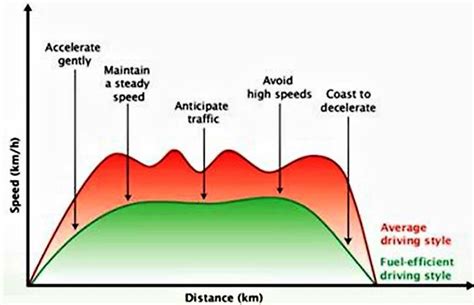
How you drive is arguably the most impactful factor in your car’s fuel efficiency. Adopting a smoother, more deliberate driving style can yield immediate benefits.
- Smooth Acceleration and Braking: Aggressive driving, characterized by rapid acceleration and hard braking, wastes fuel. Smoothly accelerate and anticipate stops to coast more often. Think of driving with an egg under your acceleration pedal.
- Maintain a Steady Speed: Erratic speed changes consume more fuel. Whenever possible, maintain a consistent speed, especially on highways. Utilizing cruise control on flat roads can help you achieve this.
- Avoid Excessive Idling: If you’re going to be stopped for more than 30 seconds (excluding traffic stops), it’s generally more fuel-efficient to turn off your engine and restart it. Modern engines are designed to handle frequent starts.
- Observe Speed Limits: Fuel economy typically decreases rapidly at speeds above 50 mph (80 km/h). Sticking to posted speed limits not only ensures safety but also saves fuel.
Essential Vehicle Maintenance
A well-maintained vehicle runs more efficiently. Neglecting routine maintenance can silently chip away at your fuel economy.
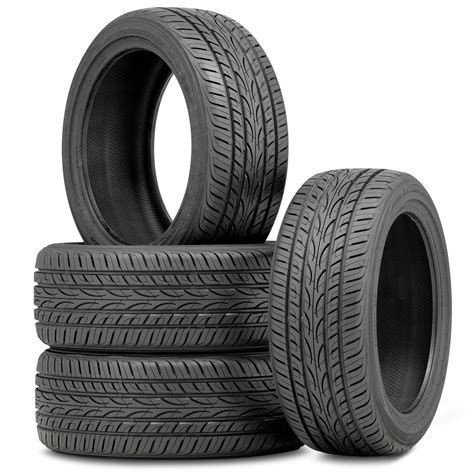
- Check Tire Pressure Regularly: Under-inflated tires increase rolling resistance, forcing your engine to work harder and consume more fuel. Check your tire pressure at least once a month and before long trips, inflating them to the manufacturer’s recommended PSI (found in your owner’s manual or on a sticker inside the driver’s door jamb).
- Keep Your Engine Tuned: A properly tuned engine can improve fuel efficiency by up to 4%. Follow your car’s service schedule for spark plug replacement, air filter changes, and oil changes. A dirty air filter restricts airflow to the engine, making it work harder.
- Use the Recommended Oil Grade: Using the motor oil grade recommended by your vehicle manufacturer can improve fuel economy by 1-2%.
- Reduce Excess Weight: Remove unnecessary items from your trunk and back seat. Every extra pound your car carries slightly decreases its fuel efficiency.
Smart Planning and Other Strategies
Beyond driving style and maintenance, how you plan your trips can also make a significant difference.
- Combine Errands: Plan your day to combine multiple errands into one trip, choosing the most efficient route to minimize mileage. Cold starts consume more fuel, so making fewer, longer trips is better than many short ones.
- Limit Short Trips: Your engine is less efficient when it’s cold. Avoid driving for very short distances when walking or biking is an option.
- Use Air Conditioning Judiciously: Air conditioning puts an extra load on your engine, increasing fuel consumption. At lower speeds, opening your windows might be more fuel-efficient. At highway speeds, the aerodynamic drag of open windows can be worse than using the AC.
- Avoid Carrying Roof Racks When Not Needed: Roof-mounted cargo carriers and bike racks create aerodynamic drag, significantly reducing fuel economy. Remove them when they’re not in use.

By integrating these simple yet effective habits into your daily routine, you can gain better control over your vehicle’s fuel consumption. Not only will you see a noticeable reduction in your monthly gas budget, but you’ll also contribute to a longer lifespan for your vehicle and a healthier environment. Start today, and watch your savings grow!