The quest to build lean muscle and incinerate stubborn belly fat simultaneously is a common, yet often misunderstood, fitness goal. Many believe these objectives are mutually exclusive, but with the right approach—combining smart training, strategic nutrition, and consistent effort—it is entirely possible to achieve both a more muscular physique and a leaner midsection.
The Dual Challenge: Muscle Building & Fat Loss
Successfully building muscle while shedding fat, often referred to as “body recomposition,” hinges on creating a caloric environment that supports muscle protein synthesis while still allowing for fat oxidation. This means consuming adequate protein to fuel muscle repair and growth, combined with a slight caloric deficit.
Strategic Resistance Training for Lean Muscle
At the core of any lean muscle gain strategy is resistance training. Focus on compound movements that work multiple muscle groups simultaneously, as these are most effective for stimulating overall muscle growth and burning calories. Exercises like squats, deadlifts, bench presses, overhead presses, and rows should form the foundation of your routine.
- Frequency: Aim for 3-4 full-body or upper/lower split workouts per week.
- Rep Range: A mix of strength (4-6 reps) and hypertrophy (8-12 reps) ranges can be effective.
- Progressive Overload: Continuously challenge your muscles by increasing weight, reps, sets, or decreasing rest times.
Integrating Effective Cardio for Fat Shredding
Cardio plays a crucial role in increasing your caloric expenditure and enhancing cardiovascular health, directly aiding in fat loss. The two primary types of cardio to consider are High-Intensity Interval Training (HIIT) and Low-Intensity Steady State (LISS).
- HIIT: Involves short bursts of intense exercise followed by brief recovery periods. It’s time-efficient and excellent for boosting metabolism (EPOC) and fat burning. Perform 1-2 sessions per week.
- LISS: Longer duration, lower intensity cardio (e.g., brisk walking, cycling). It’s great for active recovery, less taxing on the body, and directly utilizes fat as a fuel source. Incorporate 2-3 sessions per week.

The Indispensable Role of Nutrition
You cannot out-train a bad diet. Nutrition is paramount for both muscle gain and fat loss. To achieve body recomposition, focus on:
- Protein Intake: Crucial for muscle repair and growth. Aim for 0.8-1 gram of protein per pound of body weight daily.
- Caloric Deficit: To lose fat, you need to consume fewer calories than you burn. A modest deficit of 200-500 calories below maintenance is usually effective without compromising muscle too much.
- Carbohydrates: Provide energy for workouts. Choose complex carbs like whole grains, fruits, and vegetables.
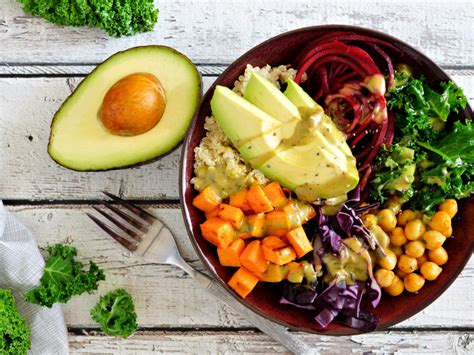
- Healthy Fats: Essential for hormone production and overall health. Found in avocados, nuts, seeds, and olive oil.
Sample Weekly Workout Structure
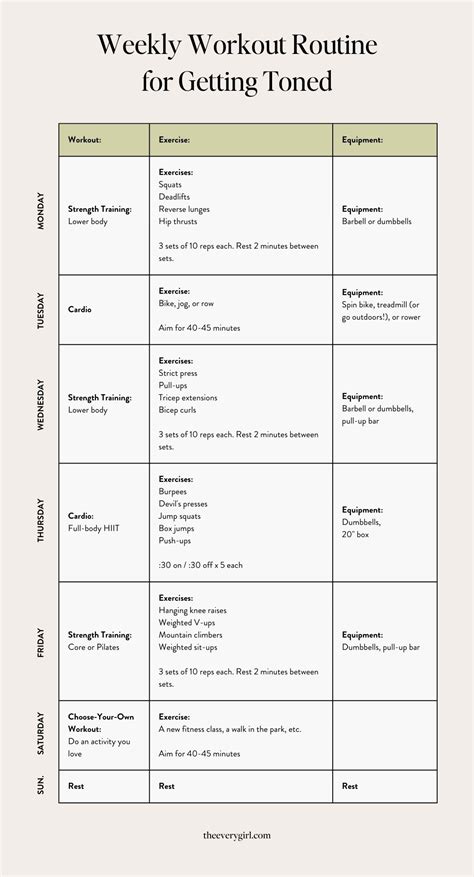
Here’s an example of how you might structure your week to hit both goals:
- Monday: Full Body Strength Training
- Tuesday: HIIT Session (20-30 min)
- Wednesday: Full Body Strength Training
- Thursday: Active Recovery / LISS Cardio (30-45 min)
- Friday: Full Body Strength Training
- Saturday: LISS Cardio or Rest
- Sunday: Rest & Recovery
Recovery, Consistency, and Mindset
Building muscle and losing fat is a marathon, not a sprint. Consistency is key. Ensure you get 7-9 hours of quality sleep per night, as this is when your body repairs and grows. Manage stress levels, stay hydrated, and be patient with the process. Progress might be slower than focusing on one goal alone, but the results are incredibly rewarding.
Conclusion
The best workout for lean muscle gain and shredding stubborn belly fat is a comprehensive one that strategically combines intense resistance training, targeted cardio, and meticulous nutrition. By prioritizing compound movements, incorporating both HIIT and LISS, maintaining a protein-rich diet in a slight caloric deficit, and valuing recovery, you can effectively sculpt a stronger, leaner physique. Remember to listen to your body and adjust your approach as needed, and consider consulting a fitness professional for personalized guidance.