Unlocking Your Potential: The Power of Mindset
Procrastination is a silent saboteur, often lurking behind our most ambitious fitness and finance goals. We know what we “should” do—save more, exercise regularly, learn a new skill—yet we find ourselves paralyzed, pushing tasks to an elusive “tomorrow.” The common belief is that we lack motivation or willpower, but often, the real culprit is our underlying mindset. A fundamental shift in how we perceive and approach these challenges can unlock remarkable progress and consistent action.

From “All or Nothing” to “Small, Consistent Steps”
One of the most insidious mindset traps is the “all or nothing” fallacy. We tell ourselves we need to hit the gym for an hour every day or save a huge chunk of our salary to make a difference. When these grand gestures feel overwhelming or unattainable, we do nothing at all. This mindset creates a barrier, making small, impactful actions seem insignificant.
The crucial shift is to embrace the power of micro-actions. Instead of an hour at the gym, commit to 10 minutes of activity. Instead of saving hundreds, start with $5 a day. These tiny steps are easy to start, build momentum, and—most importantly—foster consistency. Consistency, not intensity, is the bedrock of lasting change in both fitness and finance. Each small step builds a habit, and habits compound into significant results over time.

Embracing Process Over Outcome Obsession
Many of us are fixated on the outcome: the ideal physique, the substantial savings account, the debt-free life. While inspiring, this singular focus can lead to discouragement when results aren’t immediate or as dramatic as expected. The journey itself can feel like a grueling means to an end, rather than an enjoyable or valuable experience.
A powerful mindset shift involves moving from outcome obsession to process enjoyment. Learn to appreciate the act of exercising, the discipline of budgeting, or the growth from learning about investments. Focus on improving your form, understanding financial concepts, or simply showing up. By engaging with and finding satisfaction in the daily process, you transform tasks from burdens into opportunities for immediate gratification and learning. Tracking process metrics (e.g., number of workouts, budget adherence) can be more motivating than solely focusing on the scale or bank balance.
Shifting from Motivation-Driven to Discipline-Powered
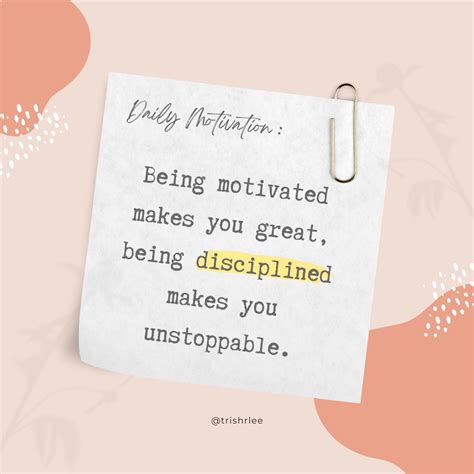
We often wait for motivation to strike before taking action. “I’ll work out when I feel like it,” or “I’ll start budgeting when I’m truly inspired.” The problem is, motivation is fleeting and unreliable. It’s a feeling, not a strategy. Relying on it is a recipe for chronic procrastination.
The mindset shift here is from waiting for motivation to cultivating discipline. Discipline isn’t about force; it’s about building systems and routines that make action automatic, regardless of how you feel. Schedule your workouts like important meetings. Automate your savings. Create a weekly financial review habit. When actions become ingrained routines, they require less willpower and become much harder to procrastinate on. This shift empowers you to act even when inspiration is absent, ensuring consistent progress.

Reframing Challenges as Opportunities for Growth
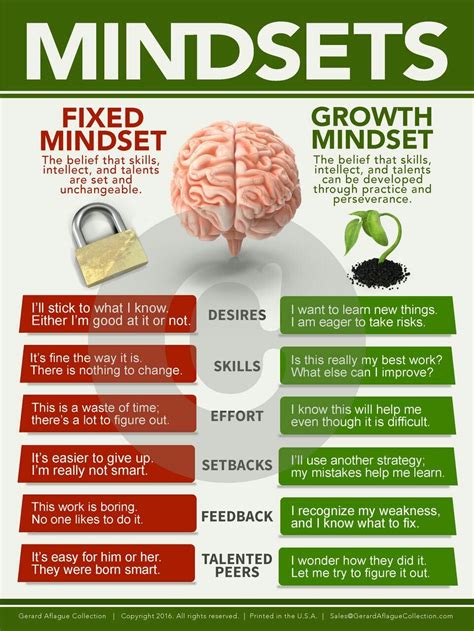
Setbacks are inevitable. Missed workouts, unexpected expenses, or investment dips can easily derail progress if viewed as failures. A fixed mindset sees these hurdles as confirmation that you’re not good enough or that the goal is unattainable, leading to giving up.
The transformative mindset shift is to view challenges not as roadblocks, but as opportunities for learning and growth. Did you miss a workout? Analyze why and adjust your schedule. Did an unexpected bill arise? See it as a chance to refine your emergency fund strategy. Every deviation from the plan provides valuable feedback. Embrace a growth mindset, understanding that mastery comes from continuous adjustment and resilience, not from perfect execution. This perspective transforms potential reasons for quitting into catalysts for improvement.
By consciously adopting these mindset shifts—from grand gestures to small steps, outcome to process, motivation to discipline, and failure to growth—you can dismantle the psychological barriers that fuel procrastination. Begin today, not with monumental changes, but with a subtle yet profound shift in your mental approach, and watch your fitness and finance goals become not just attainable, but inevitable.