Unlock Better Fuel Economy and Wallet Savings
In an era of fluctuating fuel prices, every drop counts. Adopting smart fuel habits isn’t just about being environmentally conscious; it’s a direct path to substantial savings and a less stressful relationship with the gas pump. By implementing a few simple changes to your driving style and vehicle maintenance, you can significantly boost your car’s miles per gallon (MPG) and keep more cash in your pocket.
Let’s dive into the most effective strategies to make your fuel go further.
Master Your Driving Style
How you drive has the most immediate impact on your fuel efficiency. Smooth, controlled driving is key.
- Gentle Acceleration and Braking: Aggressive driving, with rapid acceleration and harsh braking, wastes fuel. Accelerate smoothly and anticipate stops to coast more often, reducing the need for sudden braking. This can improve your MPG by 15-30% on the highway and 10-40% in stop-and-go traffic.
- Maintain Consistent Speeds: Speeding significantly increases fuel consumption. Driving at 55-65 mph is generally the most fuel-efficient speed for most vehicles. Use cruise control on highways to maintain a steady speed and avoid unnecessary fluctuations.
- Avoid Excessive Idling: If you’re going to be stopped for more than 30 seconds (excluding traffic lights), it’s often more fuel-efficient to turn off your engine and restart it. Modern cars consume very little fuel during startup.
- Minimize High Speeds: Fuel economy rapidly decreases at speeds above 50 mph. For every 5 mph you drive over 50 mph, it’s like paying an additional $0.30 per gallon for gas.
Prioritize Vehicle Maintenance
A well-maintained vehicle runs more efficiently. Neglecting maintenance is a surefire way to burn more fuel than necessary.
- Keep Tires Properly Inflated: Under-inflated tires increase rolling resistance, forcing your engine to work harder. Check your tire pressure regularly (at least once a month) according to your car manufacturer’s recommendations (found on a sticker inside the driver’s door jamb or in the owner’s manual). Proper inflation can improve gas mileage by up to 3%.
- Regular Engine Tune-ups: A properly tuned engine is an efficient engine. Follow your vehicle’s service schedule for spark plug replacement, fuel injector cleaning, and other essential maintenance tasks. Fixing a serious maintenance problem like a faulty oxygen sensor can improve your mileage by as much as 40%.
- Replace Clogged Air Filters: A dirty air filter restricts airflow to the engine, which can reduce acceleration and fuel economy, especially in older vehicles. Replacing a clogged filter is a quick, inexpensive fix.
- Use the Recommended Oil Type: Using the manufacturer-recommended grade of motor oil can improve your gas mileage by 1-2%. Look for ‘energy-conserving’ oils in the correct viscosity grade.
Smart Planning and Habits Beyond the Wheel
Your daily routines and choices outside of driving also play a role in fuel efficiency.
Optimize Your Trips
- Combine Errands: Your engine is least efficient when it’s cold. Combining multiple short trips into one longer trip allows your engine to warm up and operate at peak efficiency for a greater portion of your journey. Plan your route to avoid backtracking.
- Check Traffic: Use navigation apps to avoid heavy traffic and construction, which can lead to prolonged idling and stop-and-go driving.

Lighten Your Load & Reduce Drag
- Remove Unnecessary Weight: Every extra pound your car carries requires more fuel to move. Clear out your trunk and back seat of items you don’t regularly need. An extra 100 pounds can reduce your MPG by about 1%.
- Improve Aerodynamics: Roof racks, cargo carriers, and even open windows (at highway speeds) increase aerodynamic drag, forcing your engine to work harder. Remove external accessories when not in use, and keep windows closed on the highway.

Fueling Up Wisely
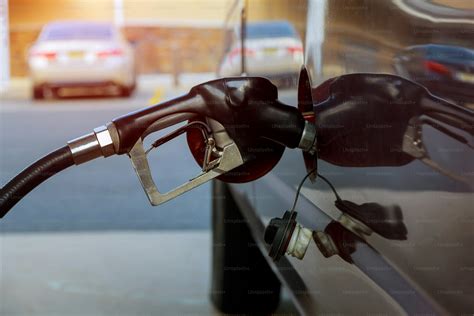
- Use Recommended Fuel Grade: Only use premium gas if your car’s manufacturer specifically recommends it. Using premium fuel in a car designed for regular unleaded offers no fuel economy or performance benefits and is simply a waste of money.
- Fill Up When Cooler: Fuel density is higher when temperatures are lower. Filling your tank in the cooler parts of the day (morning or evening) means you get slightly more fuel for your money.
Track Your Progress
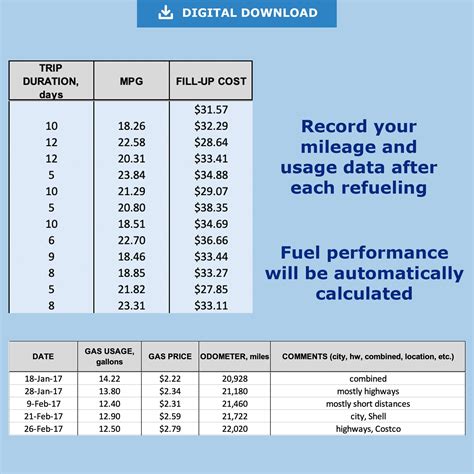
The best way to know if your new habits are working is to track your fuel economy. Many modern cars have built-in MPG calculators, or you can use apps and simple pen-and-paper methods (divide miles driven by gallons filled). Seeing your MPG improve provides motivation to continue these beneficial habits.
Conclusion
Maximizing your car’s MPG and saving cash isn’t about grand gestures; it’s about consistency in small, smart habits. By adopting a smoother driving style, staying on top of vehicle maintenance, and making wise choices about your journeys, you’ll not only see a healthier bank account but also contribute to a greener environment. Start implementing these tips today and enjoy the benefits of a more fuel-efficient ride.