Navigating the Dual Path: Emergency Fund & Investing for Men
For men aiming for financial security and long-term wealth, the decision between building an emergency fund and starting to invest can feel like a classic Catch-22. Both are crucial, yet resources often feel finite. The smartest approach isn’t to choose one over the other, but to strategically tackle both simultaneously, ensuring immediate safety nets while also planting seeds for future growth.

Phase 1: The Initial Emergency Fund Blitz (The “Mini” Fund)
Before diving deep into investments, it’s wise to establish a foundational emergency fund. Aim for 1-2 months of essential living expenses in a separate, easily accessible high-yield savings account. This isn’t your full 3-6 month fund yet, but a crucial buffer against minor setbacks like unexpected car repairs or a small medical bill. Having this initial layer of protection reduces the likelihood of dipping into investments prematurely if an emergency strikes.
During this phase, prioritize contributions to this “mini” fund. Consider dedicating 70-80% of your available savings to it, with the remaining 20-30% going into an accessible investment vehicle, like a Roth IRA.
Phase 2: The Simultaneous & Strategic Build
Once your 1-2 month mini-fund is established, it’s time to shift gears and ramp up both. The key here is automation and smart allocation.
Automate Your Savings and Investments
Set up automatic transfers from your checking account immediately after you get paid. This is perhaps the single most effective strategy. Decide on a percentage or fixed amount for your emergency fund and another for your investments, and let your bank or brokerage handle the rest. This “pay yourself first” method removes the temptation to spend the money before it can grow.
- Emergency Fund: Continue building this to 3-6 months (or even more, depending on your job security and dependents) of essential living expenses. Keep it in a high-yield savings account for liquidity and modest growth.
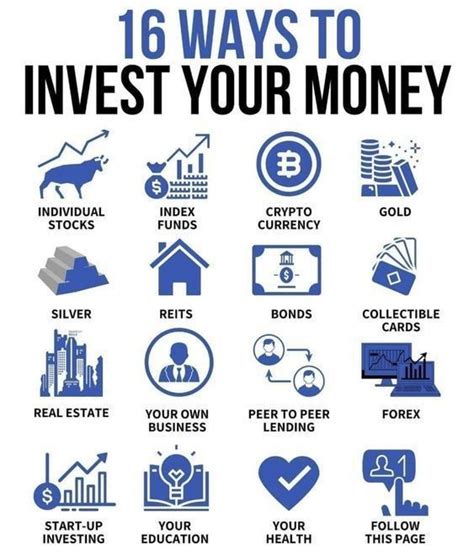
- Investments: Simultaneously, direct funds to your investment accounts. Start with tax-advantaged accounts.
Prioritizing Investment Accounts
For most men, a smart order of operations for investing looks like this:
- 401(k) or 403(b) up to Employer Match: This is free money and an immediate 100% return on your investment. Do not leave this on the table.
- Roth IRA: Contribute up to the annual limit. Roth IRAs offer tax-free growth and withdrawals in retirement, and contributions can be withdrawn tax- and penalty-free at any time, making it a surprisingly flexible option for early investors.
- Max Out 401(k) or 403(b): If you’ve hit the Roth IRA limit, funnel more into your employer-sponsored plan.
- HSA (Health Savings Account): If you have a high-deductible health plan, an HSA offers a triple tax advantage (tax-deductible contributions, tax-free growth, tax-free withdrawals for qualified medical expenses). It’s an excellent investment vehicle for long-term health costs.
- Taxable Brokerage Account: Once you’ve maximized your tax-advantaged options, a taxable brokerage account provides unlimited investment potential.

The Power of Percentage Allocation and Adjustments
Instead of thinking in fixed dollar amounts, consider a percentage split of your disposable income. For example, you might start with a 40% emergency fund / 60% investing split. As your emergency fund reaches its target, you can gradually shift that percentage, perhaps to 10% emergency fund / 90% investing (for replenishing/growth, once the core is built).

Life changes, and so should your financial strategy. Review your budget and financial goals quarterly or annually. Has your income increased? Have your expenses changed? Adjust your automatic contributions accordingly to maintain momentum in both your safety net and your wealth-building efforts.
Leveraging Windfalls and Bonuses
Unexpected money – a work bonus, a tax refund, an inheritance – presents a golden opportunity. Instead of spending it all, consider allocating a significant portion to either topping off your emergency fund or supercharging your investments. This can accelerate your progress significantly without impacting your regular budget.

The Path to Financial Resilience and Wealth
Building an emergency fund and investing simultaneously isn’t about magical tricks; it’s about disciplined planning, automation, and smart prioritization. By creating a foundational emergency buffer first, then strategically automating contributions to both your safety net and diverse investment accounts, men can confidently navigate financial uncertainties while steadily building a robust future. This dual approach provides both immediate peace of mind and the long-term potential for true financial independence.