The Rise of the Multi-Functional Smartwatch
In a world where every minute counts, optimizing personal health and financial well-being has become paramount. Smartwatches, once primarily seen as glorified pedometers, have evolved into sophisticated personal assistants capable of much more. The modern wearable can now track your heart rate during a marathon and process your grocery payment with a flick of the wrist. But which smartwatches truly excel at both fitness tracking AND financial management, offering a comprehensive solution for the health-conscious and budget-savvy individual?
Fitness First: Core Tracking Capabilities
Before diving into financial features, it’s crucial that a smartwatch first nails its primary function: fitness tracking. This includes accurate heart rate monitoring, GPS for outdoor activities, sleep tracking, step counting, and a wide array of workout modes. High-end devices often offer advanced metrics like SpO2 (blood oxygen saturation), ECG (electrocardiogram), and body composition analysis, providing a holistic view of your physical health.

Robust fitness platforms also integrate with third-party health apps, offering personalized coaching, nutrition insights, and the ability to log detailed workout data. The ideal device should provide actionable insights, not just raw data, empowering you to make informed decisions about your physical activity and recovery.
Managing Your Money: Financial Features on Your Wrist
Beyond health, the financial capabilities of smartwatches have seen significant advancements. The most prominent feature is NFC (Near Field Communication) for contactless payments, allowing you to leave your wallet at home. Services like Apple Pay, Google Pay, and Samsung Pay have transformed the checkout experience, making transactions quicker and more secure.
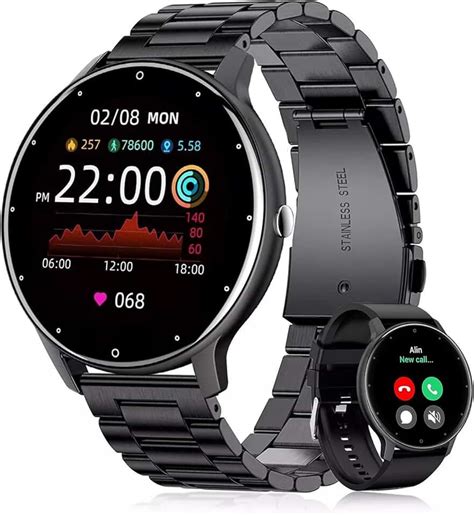
But financial tracking goes deeper than just payments. Some smartwatches and their companion apps allow for expense tracking, budget monitoring, and even quick checks of bank balances or investment portfolios. While full-fledged financial management apps are often more suited for smartphones, the convenience of a glanceable summary on your wrist for critical financial updates is invaluable.
Top Contenders: Smartwatches Excelling in Both
Apple Watch Series
The Apple Watch often leads the pack in combining robust fitness tracking with extensive financial capabilities. With Apple Pay built-in, it offers seamless and secure contactless payments almost everywhere. Its health ecosystem is comprehensive, boasting advanced sensors for ECG, blood oxygen, and fall detection. The vast App Store also provides a plethora of third-party apps for budgeting, banking, and even investment tracking, making it a powerful financial companion for iPhone users.
Samsung Galaxy Watch Series
For Android users, the Samsung Galaxy Watch series, running on Wear OS Powered by Samsung, presents a strong alternative. It supports Samsung Pay and Google Pay, offering wide compatibility for contactless transactions. Its fitness tracking capabilities are excellent, including body composition analysis on newer models. The Google Play Store for Wear OS also provides access to numerous banking and financial apps, enhancing its utility for managing finances on the go.
Garmin & Fitbit (with caveats)
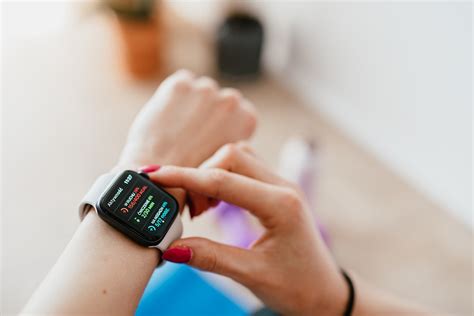
While Garmin and Fitbit devices are renowned for their industry-leading fitness and health tracking, their financial integration is generally more limited. Many Garmin watches support Garmin Pay, a reliable contactless payment solution. Fitbit devices offer Fitbit Pay. However, their third-party app ecosystems for comprehensive financial management don’t typically rival those of Apple Watch or Galaxy Watch, focusing more intently on health and wellness.
What to Look For: Key Considerations
When selecting a smartwatch for both fitness and finance, consider the following:
- Operating System Compatibility: Ensure it works seamlessly with your smartphone (iOS or Android).
- NFC Payment Support: Verify which payment services are supported and if they are widely accepted in your region.
- App Ecosystem: Look for a device with a rich app store that includes banking, budgeting, or finance management tools.
- Battery Life: Constant tracking and payment usage can drain the battery. Opt for a device that lasts at least a full day, ideally longer.
- Security: Strong authentication (PIN, biometric) for payments is crucial.
- Fitness Features: Don’t compromise on the health tracking features essential to your lifestyle.
The Future of Wearable Financial Health
As smartwatches continue to evolve, we can expect even deeper integration of financial services. Imagine receiving personalized spending insights based on your activity levels, or automated savings suggestions triggered by your fitness goals. The convergence of health and wealth management on our wrists is not just a convenience; it’s a step towards a more holistically managed personal life, where technology empowers us to make smarter choices for our bodies and our bank accounts.

Ultimately, the ‘best’ smartwatch will depend on your specific needs, existing smartphone ecosystem, and budget. However, by prioritizing devices with robust fitness tracking and comprehensive financial features, you can find a wearable that truly helps you track your journey towards optimal health and financial stability.