Conquering Desk Fatigue: Why Ergonomics is Crucial for Men
For many men, long hours spent at a desk are an unavoidable reality of modern professional life. While dedication and focus are commendable, the physical toll of prolonged sitting can lead to a myriad of issues, from back pain and wrist strain to reduced energy and impaired focus. This isn’t just about discomfort; it’s about a significant impact on long-term health and productivity. Investing in ergonomic gear isn’t a luxury; it’s a strategic move to safeguard your well-being and maintain peak performance throughout those demanding workdays.
Men often have distinct ergonomic needs due to varying body proportions and common workplace habits. Addressing these needs with the right equipment can make all the difference in preventing fatigue, boosting concentration, and supporting overall physical health.

The Foundation: An Ergonomic Office Chair
The cornerstone of any healthy workspace is an ergonomic chair. For men, key features include robust lumbar support that properly contours to the spine, a wide and deep seat pan to accommodate different body types, and adjustable armrests that support the shoulders and reduce strain on the neck and upper back. The ability to customize recline, seat height, and tilt tension allows you to find a posture that supports the natural curvature of your spine and promotes good circulation, preventing the aches and stiffness that often creep in after hours of sitting.
The Dynamic Duo: Standing Desks and Monitor Arms
Breaking up long periods of sitting is vital for circulation, energy levels, and metabolic health. A standing desk or a desk converter allows you to seamlessly transition between sitting and standing throughout the day. This simple change can significantly reduce the risk of cardiovascular disease, improve posture, and alleviate back pain. Pairing this with a monitor arm ensures your screen is always at eye level, whether you’re sitting or standing, preventing neck craning and eye strain. Keeping your monitor roughly an arm’s length away and the top of the screen at or slightly below eye level is key for maintaining a healthy head and neck position.
Precision Tools: Ergonomic Keyboards and Mice
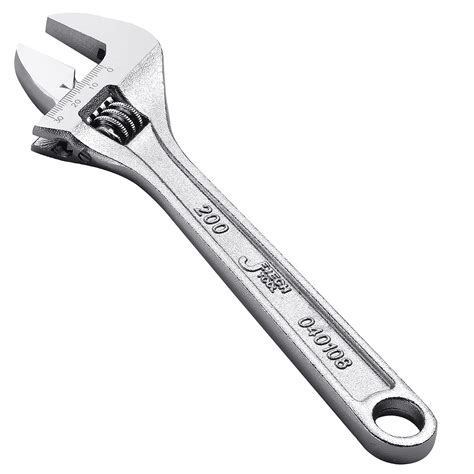
Repetitive strain injuries (RSIs) are a real threat to productivity and comfort, especially for those who type and click extensively. Ergonomic keyboards, such as split or contoured designs, encourage a more natural hand and wrist position, reducing pronation and deviation. Similarly, an ergonomic mouse, whether a vertical mouse, trackball, or contoured design, helps maintain a neutral wrist posture, preventing carpal tunnel syndrome and general wrist discomfort. These tools aren’t just about pain prevention; they allow for smoother, more natural movements, ultimately enhancing typing speed and accuracy without the added strain.
Supporting Details: Footrests, Anti-Fatigue Mats, and Lighting
Don’t overlook the smaller details that complete an ergonomic setup. An adjustable footrest, particularly for men with shorter stature or those whose feet don’t comfortably rest flat on the floor, can improve circulation and reduce pressure on the lower back. If you use a standing desk, an anti-fatigue mat is indispensable for cushioning your feet and legs, making standing for longer periods much more comfortable. Finally, proper lighting is crucial. A desk lamp that provides task lighting without glare, along with good ambient room lighting, can significantly reduce eye strain and headaches, contributing directly to sustained focus.

The Payoff: Enhanced Focus and Long-Term Health
When your body is comfortable and properly supported, your mind is free to concentrate on the tasks at hand. Eliminating the constant nagging of back pain, wrist strain, or neck stiffness allows for deeper periods of focus and sustained productivity. Beyond immediate gains, investing in ergonomic gear is an investment in your long-term health. It mitigates the risks associated with a sedentary lifestyle and poor posture, such as chronic pain, musculoskeletal disorders, and even certain metabolic conditions. For men aiming for peak professional performance and enduring personal well-being, an ergonomically optimized workspace isn’t just a recommendation—it’s a necessity.