Understanding Premium vs. Regular Fuel
For many daily commuters, the choice at the gas pump often boils down to cost. While regular unleaded is the standard, the premium option always looms, promising superior performance or engine protection. But for the average driver and their everyday commute, is that higher price tag truly justified? Let’s delve into the facts.
What Exactly is Premium Fuel?
The primary difference between regular and premium fuel lies in their octane rating. Regular unleaded typically has an octane rating of 87, while premium fuels generally range from 91 to 93 octane. Octane isn’t a measure of fuel’s energy content or “power”; instead, it indicates a fuel’s resistance to pre-ignition or “knocking.” Engine knocking occurs when fuel ignites prematurely in the combustion chamber, which can lead to inefficient power delivery and long-term engine damage.
Does Your Car Actually Need Premium Fuel?
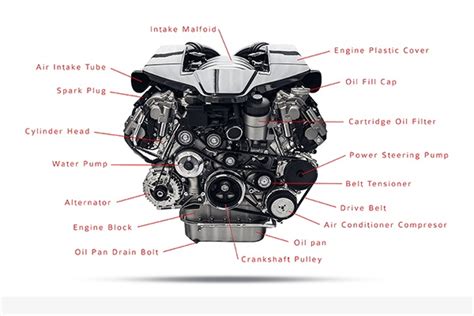
The critical question is whether your car’s engine is designed to benefit from higher octane fuel. Engines that typically *require* premium fuel are high-compression, turbocharged, or supercharged designs. These engines operate under greater pressure and heat, making them more susceptible to knocking. Using lower octane fuel in an engine designed for premium can lead to the engine’s computer adjusting timing to prevent knock, which might slightly reduce performance and fuel efficiency. Always check your owner’s manual for the manufacturer’s recommended fuel type.
The Myth of Universal Benefits
Many drivers mistakenly believe that using premium fuel will clean their engine better, provide more power, or improve fuel economy in *any* car. For vehicles not specifically designed for premium fuel, this is generally false. Modern cars, even those that “recommend” premium but don’t “require” it, are equipped with knock sensors and sophisticated engine management systems. These systems can detect pre-ignition and adjust engine timing to compensate, allowing the car to run safely on regular fuel, albeit potentially with a very marginal, imperceptible dip in peak performance. For a daily commute, this difference is highly unlikely to be noticeable.
Manufacturer Recommendations are Key
The definitive answer to your fuel choice is always found in your car’s owner’s manual or on the inside of your fuel filler door. If your manual states “Premium Fuel *Required*,” then using regular unleaded is not advisable as it could potentially cause long-term damage or severely hamper performance. However, if it says “Premium Fuel *Recommended*,” your car will operate perfectly fine on regular, though you might experience a fractional difference in maximum horsepower or torque that’s irrelevant for daily driving. If it only lists one octane rating (e.g., “87 Octane Only”), then premium fuel offers no benefit whatsoever.

The Commute Cost Analysis
Let’s put the cost into perspective. If premium fuel costs $0.50 more per gallon than regular, and you fill up 10 gallons per week for your commute, that’s an extra $5 per week, or about $260 per year. For a car that doesn’t require premium, this is essentially money thrown away. Unless your car specifically requires it, those extra dollars could be better spent on routine maintenance, car washes, or even just saving up for future vehicle needs. The perceived benefits rarely outweigh this tangible financial cost for most daily drivers.

Conclusion: Fueling Smart for Your Commute
For the vast majority of drivers and their daily commutes, premium fuel is an unnecessary expense. Unless your vehicle manufacturer explicitly *requires* higher-octane fuel for optimal engine health and performance, sticking to regular unleaded is the most economical and equally effective choice. Always consult your owner’s manual to make an informed decision and ensure you’re fueling your car efficiently without wasting money. Drive smart, not necessarily premium.