Taking Control: The Man’s Guide to Financial Freedom
For many men, financial security is more than just a goal; it’s a pillar of independence, responsibility, and the ability to build a life of their choosing. Yet, the path to financial freedom can often seem complex, riddled with jargon and overwhelming choices. This article cuts through the noise, offering a clear, actionable roadmap for men to take control of their money, crush debt, and build lasting wealth.
Step 1: Master Your Budget – The Foundation of Freedom
Budgeting isn’t about restriction; it’s about empowerment. It’s the tool that allows you to direct your money where it matters most, rather than wondering where it all went. A solid budget is the bedrock of all financial success.
Know Where Your Money Goes
- Track Everything: For a month, record every dollar you spend. Use apps, spreadsheets, or a simple notebook. This awareness is often the most eye-opening step.
- Categorize Expenses: Group your spending into categories like housing, food, transportation, entertainment, and debt payments.
- Distinguish Needs vs. Wants: Be honest with yourself. Necessities keep your life running; wants enhance it but aren’t always essential.
Choose a Budgeting Method That Works For You
- The 50/30/20 Rule: Allocate 50% of your after-tax income to needs, 30% to wants, and 20% to savings and debt repayment. It’s simple and effective.
- Zero-Based Budgeting: Every dollar has a job. You assign all your income to specific categories until your income minus your expenses equals zero.
- Pay Yourself First: Automate savings and investments before you have a chance to spend the money. This is crucial for long-term success.

Step 2: Crush Your Debt – Liberate Your Future
Debt is a significant barrier to financial freedom, siphoning off funds that could otherwise be used for saving and investing. Eliminating high-interest debt should be a top priority.
Identify and Prioritize Your Debts
- List All Debts: Include credit cards, personal loans, car loans, student loans, and mortgages. Note the interest rate, minimum payment, and total balance for each.
- Understand Interest Rates: High-interest debt (like credit cards) costs you the most over time and should be tackled first.
Choose a Debt Repayment Strategy
- Debt Snowball Method: Pay off your smallest debt first, regardless of the interest rate, while making minimum payments on others. Once the smallest is paid, take the money you were paying on it and add it to the next smallest debt. The psychological wins keep you motivated.
- Debt Avalanche Method: Focus on paying off the debt with the highest interest rate first, while making minimum payments on others. This method saves you the most money in interest over time.
Consider Debt Consolidation or Refinancing
For high-interest debts, consolidating them into a single loan with a lower interest rate can simplify payments and reduce your overall cost. Explore options like personal loans or balance transfer credit cards, but be cautious and understand the terms.

Step 3: Invest for Growth – Build Your Legacy
Once you have a handle on your budget and a plan to crush debt, it’s time to put your money to work. Investing is how you grow your wealth significantly and achieve true financial independence.
Start Early and Consistently
Compound interest is your most powerful ally. The sooner you start investing, and the more consistently you contribute, the greater your returns will be over time, thanks to your earnings generating their own earnings.
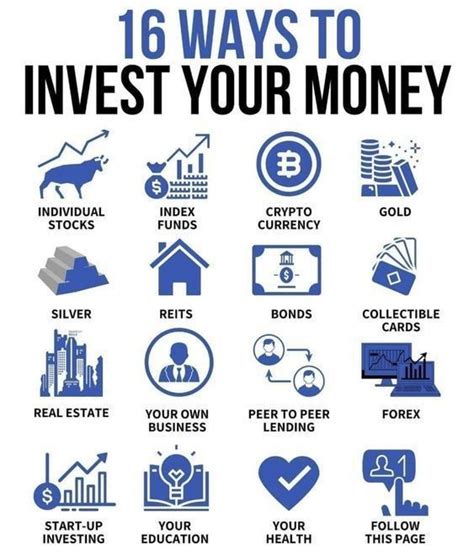
Understand Basic Investment Vehicles
- Stocks: Ownership shares in a company. Higher potential returns, but also higher risk.
- Bonds: Loans to governments or corporations. Generally lower returns but also lower risk than stocks.
- Mutual Funds & ETFs: Pooled money from many investors used to buy a diversified portfolio of stocks, bonds, or other assets. They offer diversification and professional management.
- Real Estate: Can be a powerful wealth builder, either through direct ownership or Real Estate Investment Trusts (REITs).
Leverage Retirement Accounts
- 401(k) / 403(b): Employer-sponsored plans, often with matching contributions (free money!). Contributions are pre-tax, lowering your taxable income now.
- IRA (Individual Retirement Account): Open an IRA (Traditional or Roth) to save for retirement independently. Roth IRAs offer tax-free withdrawals in retirement.
- HSA (Health Savings Account): A triple-tax-advantaged account (tax-deductible contributions, tax-free growth, tax-free withdrawals for medical expenses) that can also be used for retirement if not spent on healthcare.

Diversify Your Portfolio
Don’t put all your eggs in one basket. Diversification across different asset classes (stocks, bonds, real estate), industries, and geographies reduces risk and improves the consistency of returns.
Automate Your Investments
Set up automatic transfers from your checking account to your investment accounts. This ensures you’re consistently saving and investing, removing the temptation to spend the money.

Beyond the Basics: Emergency Funds & Long-Term Vision
While budgeting, debt repayment, and investing are crucial, a few other elements solidify your financial foundation:
- Build an Emergency Fund: Aim for 3-6 months of living expenses saved in an easily accessible, high-yield savings account. This acts as a buffer against unexpected job loss, medical emergencies, or other crises.
- Increase Your Income: Look for opportunities to earn more – ask for a raise, pick up a side hustle, or invest in new skills. More income accelerates your journey to financial freedom.
- Educate Yourself Continuously: The financial landscape changes. Stay informed, read books, listen to podcasts, and consult with financial professionals when needed.
- Set Clear Goals: What does financial freedom mean to you? Early retirement? A specific net worth? Buying a home? Clearly defined goals provide direction and motivation.
Your Journey to Financial Independence Starts Now
The journey to financial freedom for men is a marathon, not a sprint. It requires discipline, consistency, and a willingness to learn. By mastering your budget, aggressively crushing debt, and intelligently investing, you’re not just building a stronger financial future; you’re building a life of greater choice, security, and independence. Take the first step today, and watch your financial destiny transform.