Conquering High-Interest Debt and Supercharging Your Net Worth
High-interest debt can feel like a financial anchor, dragging down your progress and making true financial freedom seem out of reach. From credit card balances to personal loans, these debts consume a significant portion of your income in interest payments, leaving less for savings, investments, and enjoying life. Fortunately, with a strategic approach, you can not only eliminate this burden but also pivot to actively building a robust net worth.
This article outlines a comprehensive plan, blending aggressive debt repayment with smart financial growth strategies, to help you achieve both debt freedom and significant wealth accumulation.
Phase 1: Aggressively Attack High-Interest Debt
1. Understand Your Debt Landscape
The first step is clarity. List all your debts, including the creditor, total balance, minimum payment, and, most importantly, the interest rate. This clear picture will highlight which debts are costing you the most and need immediate attention.
2. Create a Detailed Budget
A budget isn’t about restriction; it’s about control. Track every dollar coming in and going out for at least a month. Identify areas where you can cut back, even temporarily. Redirect these freed-up funds directly towards your high-interest debts. Every extra dollar makes a difference in accelerating your repayment.

3. Choose a Debt Repayment Strategy
Two popular methods can guide your repayment:
- Debt Avalanche: Prioritize paying off the debt with the highest interest rate first, while making minimum payments on all others. Once that debt is cleared, take the money you were paying on it and add it to the next highest interest rate debt. This method saves you the most money on interest.
- Debt Snowball: Focus on paying off the smallest debt first, regardless of the interest rate. Once it’s paid off, roll the payment amount into the next smallest debt. This method builds psychological momentum and is great for those who need quick wins to stay motivated.
Both methods are effective; choose the one that best fits your personality and financial discipline.

4. Consider Debt Consolidation or Refinancing
If you have multiple high-interest debts, consolidating them into a single loan with a lower interest rate can simplify payments and reduce your overall interest burden. Options include a personal loan, a balance transfer credit card (be wary of introductory rates and fees), or a home equity loan/line of credit (HELOC) if you own a home. Exercise caution and ensure the new loan truly offers better terms and doesn’t extend your repayment period unnecessarily.
5. Boost Your Income (Even Temporarily)
Accelerate your debt repayment by increasing your income. This could involve taking on a side hustle, working overtime, selling unused items, or negotiating a raise. Every extra dollar directly applied to your principal balance will significantly shorten your debt-free timeline.
Phase 2: Build and Boost Your Net Worth
Once high-interest debt is under control, pivot your focus to actively building your net worth – the value of your assets minus your liabilities.
1. Build a Robust Emergency Fund
Before seriously investing, ensure you have a safety net. Aim for 3-6 months’ worth of essential living expenses saved in an easily accessible, high-yield savings account. This fund prevents new debt from accumulating during unexpected events like job loss or medical emergencies.

2. Strategic Investing for Long-Term Growth
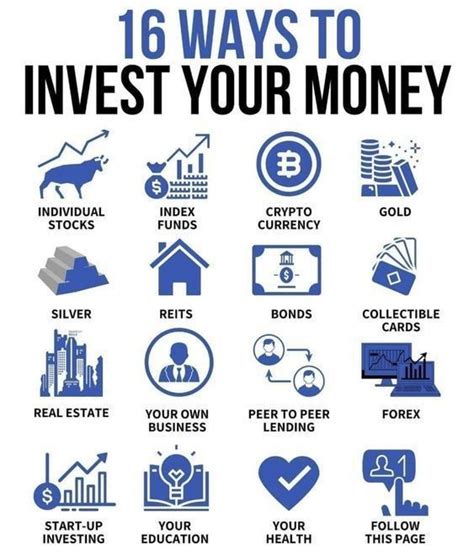
With debt gone and an emergency fund in place, it’s time to invest. Start with tax-advantaged accounts like a 401(k) (especially if your employer offers a match – that’s free money!) and an IRA (Roth or Traditional). Diversify your investments across various asset classes like stocks, bonds, and real estate through index funds or ETFs. Consistency is key; invest regularly, regardless of market fluctuations.
3. Continue Income Growth and Expense Management
Don’t stop seeking opportunities to grow your income and optimize your spending. Regular salary negotiations, skill development, and reviewing subscriptions or discretionary spending can free up more capital for investment.

4. Consider Asset Acquisition
Beyond traditional investments, explore assets that can appreciate over time. This might include paying down your mortgage faster (once higher-interest debts are gone), investing in real estate, or even starting a business that builds equity.
Sustaining Momentum and Long-Term Habits
Financial success is a marathon, not a sprint. Regularly review your budget, investment portfolio, and overall financial plan. Educate yourself continuously on personal finance topics. Set new financial goals as you achieve old ones – whether it’s saving for a down payment, retirement, or a child’s education. The discipline you develop in eliminating debt will be your most powerful tool in building lasting wealth.
Eliminating high-interest debt and boosting your net worth is a journey that requires commitment and strategic action. By systematically tackling your debts and then deliberately growing your assets, you can transform your financial future, achieve true financial independence, and enjoy the peace of mind that comes with a solid financial foundation.