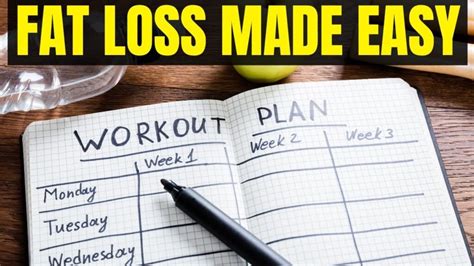
For many men, the quest for a sculpted physique involves the simultaneous pursuit of two primary goals: building lean muscle and shedding excess body fat. While often seen as conflicting objectives, particularly by those who believe one must bulk to gain muscle and cut to lose fat, it is entirely possible and highly efficient to achieve both simultaneously through a well-structured approach. This process, often referred to as body recomposition, demands precision in training, nutrition, and recovery.
The Foundation: Strategic Strength Training
To build muscle, you must give your body a reason to adapt and grow. For men, this means prioritizing heavy, progressive strength training. Lifting weights stimulates muscle protein synthesis, which is the process by which your body repairs and builds new muscle fibers. Without this stimulus, even perfect nutrition won’t yield significant muscle gains.
Progressive Overload is Key
The principle of progressive overload is fundamental. This means continually challenging your muscles by gradually increasing the weight, repetitions, sets, or decreasing rest periods over time. Your body adapts quickly, so consistently making your workouts more difficult is essential for continuous growth.
Focus on Compound Movements
Compound exercises are movements that involve multiple joints and muscle groups working together. Examples include squats, deadlifts, bench presses, overhead presses, and rows. These exercises are superior for building overall strength and muscle mass because they allow you to lift heavier weights and engage more muscle fibers than isolation exercises. Incorporate these into the core of your training routine.

The Power of Intelligent Nutrition
Nutrition is arguably the most critical component when aiming for body recomposition. You need to fuel muscle growth while creating a caloric environment that encourages fat loss. This delicate balance requires strategic planning.
Caloric Deficit for Fat Loss
To burn fat, you must consume fewer calories than your body expends – a caloric deficit. However, for body recomposition, this deficit should be modest (e.g., 200-500 calories below maintenance) to minimize muscle loss while promoting fat loss. Too large a deficit can hinder muscle growth and lead to fatigue.
Prioritize Protein Intake
Protein is crucial for muscle repair and growth, especially when in a caloric deficit. Aim for a high protein intake, typically 1.6-2.2 grams per kilogram (0.7-1 gram per pound) of body weight daily. This helps preserve muscle mass during fat loss and supports the muscle-building process. Lean sources like chicken, fish, lean beef, eggs, and plant-based proteins are excellent choices.
Don’t Fear Carbs and Healthy Fats
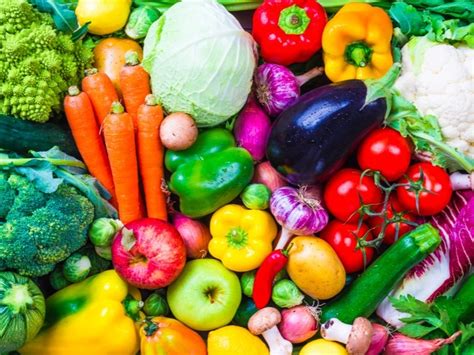
While often villainized, carbohydrates are your body’s primary energy source, essential for high-intensity workouts and recovery. Opt for complex carbs like whole grains, fruits, and vegetables. Healthy fats are vital for hormone production and overall health; include sources like avocados, nuts, seeds, and olive oil. Balance your macros to support energy, recovery, and satiety.
Integrating Effective Cardio
Cardiovascular exercise plays a supportive role in fat loss and overall fitness. It helps create a caloric deficit, improves heart health, and can enhance recovery.
HIIT vs. LISS
Both High-Intensity Interval Training (HIIT) and Low-Intensity Steady State (LISS) cardio have their place. HIIT is efficient for burning calories in a shorter period and can boost your metabolism, while LISS is less taxing on the central nervous system, aids in recovery, and can be performed more frequently without impacting strength training performance negatively. Integrate both strategically, perhaps 2-3 sessions per week, ensuring it doesn’t detract from your strength training.

The Crucial Role of Recovery and Lifestyle
Training and nutrition are only half the battle. Your body builds muscle and burns fat when it’s recovering.
Prioritize Sleep
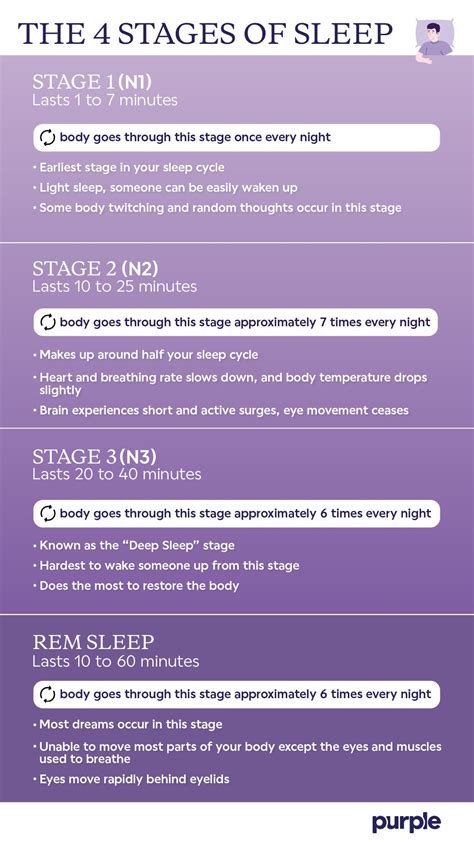
Aim for 7-9 hours of quality sleep per night. Sleep is when your body releases growth hormone, repairs muscle tissue, and regulates crucial hormones like cortisol (stress hormone) and ghrelin/leptin (hunger hormones). Poor sleep can sabotage your efforts.
Manage Stress
Chronic stress elevates cortisol levels, which can promote fat storage (especially around the midsection) and hinder muscle growth. Incorporate stress-reduction techniques like meditation, yoga, or hobbies into your routine.
Stay Hydrated
Water is essential for every bodily function, including nutrient transport, metabolism, and joint lubrication. Drink plenty of water throughout the day to optimize performance and health.
Consistency, Patience, and Tracking
Body recomposition is a marathon, not a sprint. Significant changes take time, consistent effort, and patience. Don’t get discouraged by slow progress; focus on long-term adherence.
Tracking your progress is vital. Monitor your workouts (weights, reps, sets), track your food intake, take progress photos, and measure body circumferences. The scale might not always reflect your changes accurately due to simultaneous muscle gain and fat loss, so use multiple metrics to assess your journey.

Conclusion
Building lean muscle and burning fat efficiently is an achievable goal for men who adopt a holistic and disciplined approach. By combining challenging progressive strength training, precise protein-rich nutrition with a modest caloric deficit, strategic cardio, and prioritizing recovery, you can effectively reshape your physique. Remember, consistency and patience are your most powerful tools on this transformative journey.