For any runner, whether a casual jogger or a marathon enthusiast, the right pair of running shoes is paramount. It’s not just about comfort; it’s about safeguarding your body against the repetitive stress of running and ensuring your investment lasts. This guide delves into the crucial balance between injury prevention and shoe durability, helping you make an informed choice.
The Importance of Injury Prevention in Running Footwear
Running is a high-impact activity, and without proper support, it can lead to a host of common injuries, including runner’s knee, shin splints, plantar fasciitis, and Achilles tendonitis. Your shoes act as the first line of defense, absorbing shock and guiding your foot through its natural motion cycle. Investing in shoes designed for injury prevention means prioritizing features that reduce strain and improve biomechanics.

Key Features for Injury Prevention:
- Cushioning: Modern running shoes employ various cushioning technologies (e.g., EVA, PU, specific foam blends) to absorb impact. The right level of cushioning should feel comfortable and reduce stress on your joints without being overly soft, which can sometimes compromise stability.
- Stability and Support: Different runners have different needs. Neutral shoes are for those with efficient foot mechanics, while stability shoes provide extra support for overpronators (feet rolling inward excessively). Motion control shoes offer maximum support for severe overpronation. Understanding your foot type and gait is crucial here, often determined through a gait analysis.
- Proper Fit: An ill-fitting shoe is an injury waiting to happen. Ensure there’s adequate room in the toe box, the midfoot is secure, and the heel doesn’t slip. A proper fit prevents blisters, black toenails, and ensures the shoe’s supportive features work as intended.
What Makes a Running Shoe Durable?
Beyond injury prevention, durability determines the lifespan and value of your running shoes. A durable shoe maintains its structural integrity and protective qualities over hundreds of miles, saving you money and ensuring consistent performance.

Components of a Durable Running Shoe:
- Outsole: This is the bottom layer that makes contact with the ground. Durable outsoles are made from high-abrasion resistant rubber, strategically placed in high-wear areas (heel and forefoot). Carbon rubber is often used for enhanced durability, while blown rubber offers better cushioning but might be less durable.
- Midsole: The midsole provides cushioning and support, but its durability is equally important. Over time, midsole materials can compress and lose their springiness, reducing their ability to absorb shock. High-quality foam compounds are designed to resist breakdown longer, maintaining their protective properties.
- Upper: The upper part of the shoe, made from mesh, knit, or synthetic materials, needs to withstand friction and environmental elements. Reinforced stitching and high-quality, breathable materials contribute to an upper that won’t tear or stretch prematurely.
Finding Your Ideal Pair: Balancing Both Worlds
The best running shoes for injury prevention and durability successfully blend these two critical aspects. Here are some considerations:
- Assess Your Running Style and Foot Type: Get a professional gait analysis at a specialized running store. This will identify your pronation type and help narrow down appropriate stability levels.
- Consider Your Terrain: Road running shoes are designed for paved surfaces, emphasizing cushioning and smooth transitions. Trail running shoes offer more aggressive outsoles for grip and reinforced uppers for protection against debris, impacting their durability differently.
- Don’t Be Afraid to Try On: Always try on shoes, ideally at the end of the day when your feet are slightly swollen. Walk and even jog a little in them to ensure immediate comfort and proper fit.
- Read Reviews, But Trust Your Feet: While reviews can offer insights into durability and general comfort, individual experiences vary. Your personal comfort and how the shoe feels during your run are the ultimate tests.

When to Replace Your Running Shoes
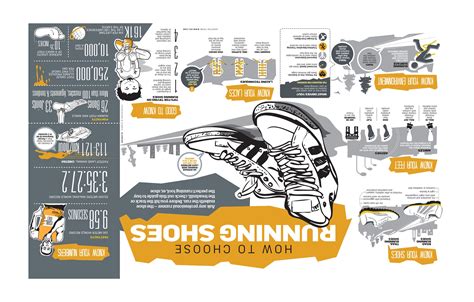
Even the most durable shoes have a lifespan. A general guideline is to replace running shoes every 300-500 miles (approximately 480-800 kilometers). However, look for these signs:
- Decreased Cushioning: Your shoes feel harder, and you might notice increased soreness after runs.
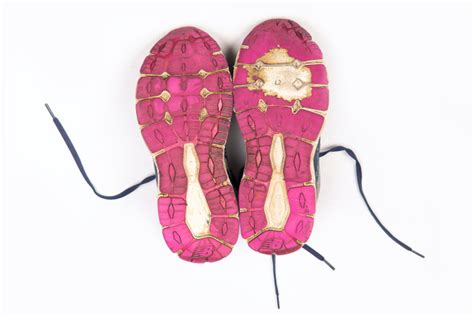
- Visible Wear: The outsole tread is worn smooth, particularly in high-impact areas. The midsole might show wrinkles or compressions.
- Upper Damage: Tears, holes, or excessive stretching in the upper material.
- New Aches and Pains: If you start developing new niggles or injuries that weren’t present before, your shoes might be losing their protective qualities.
Conclusion
Choosing the best running shoes for injury prevention and durability is a critical decision that impacts your health and your wallet. By understanding the key features that contribute to both aspects – from advanced cushioning and stability for injury prevention to robust outsoles and midsoles for longevity – you can confidently select a pair that supports your running journey for many miles to come. Prioritize a professional fitting and listen to your body, as the right shoe makes all the difference.