Embracing the Growth Mindset: A Catalyst for Breakthrough
Life is full of ups and downs, and few experiences are as universally frustrating as hitting a wall, whether it’s a stagnant bank account or a plateau in your physical progress. These moments can be disheartening, often leading to self-doubt and a desire to give up. However, the key to pushing past these hurdles isn’t always about trying harder in the same way; it’s often about a fundamental shift in how we perceive the challenge itself. The most powerful mindset change for overcoming both financial setbacks and fitness plateaus is moving from a ‘fixed mindset’ to a ‘growth mindset’.

From Fixed to Growth: Redefining Failure
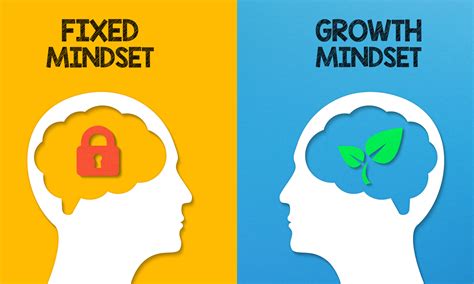
A fixed mindset believes that our abilities, intelligence, and talents are inherent and unchangeable. When faced with a setback, someone with a fixed mindset might conclude, “I’m just not good with money,” or “My body just can’t build muscle beyond this point.” Failure or difficulty is seen as a direct reflection of an innate limitation, leading to discouragement and abandonment of goals.
In contrast, a growth mindset, as popularized by Dr. Carol Dweck, is built on the belief that abilities can be developed through dedication and hard work. For someone with a growth mindset, a financial setback isn’t a sign of being bad with money, but an opportunity to learn better budgeting, investing, or earning strategies. A fitness plateau isn’t a physical limit, but an invitation to re-evaluate training methods, nutrition, or recovery. This perspective transforms obstacles into lessons and setbacks into stepping stones.
Process Over Outcome: Focusing on the Journey
Another critical mindset shift involves moving away from an obsessive focus on the immediate outcome and instead embracing the process. When trying to save a large sum of money or reach a specific fitness goal, it’s easy to get fixated on the finish line. If progress isn’t linear or as fast as expected, frustration sets in.
By shifting focus to the daily actions and habits that contribute to the larger goal, we build resilience. In finance, this means celebrating consistent saving, smart spending choices, and learning financial literacy, rather than just the growing bank balance. In fitness, it’s about appreciating the consistent workouts, nutritious meals, and adequate rest, regardless of what the scale or mirror says on a given day. The belief is that if you consistently execute the right process, the desired outcomes will eventually follow.

Embracing Discomfort and Imperfection
Often, setbacks and plateaus arise because we’re unwilling to step outside our comfort zones or accept less-than-perfect progress. A mindset shift here involves understanding that discomfort is often a precursor to growth. In fitness, breaking a plateau might require trying a new, more challenging workout style or pushing past perceived limits. Financially, overcoming a setback might involve making difficult spending cuts or taking on a side hustle that feels initially uncomfortable.
Furthermore, letting go of perfectionism is vital. Progress is rarely linear, and there will be days when you miss a workout or overspend. A growth mindset allows you to view these as minor blips, learn from them, and get back on track without spiraling into self-criticism. It’s about consistent effort, not flawless execution.

Patience, Persistence, and Strategic Adaptation
Finally, cultivating patience and unwavering persistence, coupled with a willingness to strategically adapt, forms a cornerstone of this transformative mindset. Many financial recoveries and fitness breakthroughs take time, often more than we initially anticipate. A growth mindset understands that mastery is a marathon, not a sprint.
When faced with a plateau, instead of giving up, this mindset encourages analysis: What’s not working? What can be changed? This could mean seeking advice from a financial advisor or a personal trainer, researching new strategies, or simply adjusting your approach slightly. It’s not about blindly trying harder, but about thoughtfully iterating and refining your methods until you find what works.
Putting the Mindset Shift into Practice
To cultivate these mindset shifts:
- Identify Fixed Mindset Triggers: Pay attention to thoughts like “I can’t” or “It’s impossible.” Challenge them.
- Reframe Challenges: Instead of “I failed,” think “What can I learn from this?”
- Focus on Effort and Strategy: Praise yourself for consistent effort and smart strategies, not just results.
- Seek New Knowledge: View setbacks as opportunities to research new techniques or ask for help.
- Practice Self-Compassion: Be kind to yourself when you encounter difficulties.

Conclusion
Overcoming financial setbacks and fitness plateaus is less about inherent ability and more about the mental framework through which we approach these challenges. By adopting a growth mindset, focusing on the process, embracing discomfort and imperfection, and committing to patience and strategic persistence, you can transform obstacles into powerful catalysts for personal growth and ultimately achieve the breakthroughs you seek.