Many of us experience periods of stagnation, whether it’s the gnawing anxiety of financial fear or the frustrating inertia of a fitness plateau. These moments often feel insurmountable, leading to discouragement and a sense of being stuck. However, the true barrier isn’t always external circumstances or physical limitations; more often, it’s an internal one—a particular mindset that keeps us from breaking through.
The Paralysis of a Fixed Mindset
At the root of both financial fear and fitness plateaus often lies a fixed mindset. This is the belief that our intelligence, abilities, and resources are static and unchangeable. In the realm of finance, this manifests as thinking, “I’m just not good with money,” or “I’ll never get ahead.” This fixed view breeds fear, scarcity thinking, and a reluctance to take calculated risks or learn new financial strategies.
Similarly, a fixed mindset in fitness might sound like, “I’m just not naturally athletic,” or “My body just can’t do that.” When progress stalls, it’s seen as proof of inherent limitations rather than a temporary challenge. This leads to giving up, losing motivation, and perpetuating the plateau.
Embracing the Growth Mindset: The Core Shift
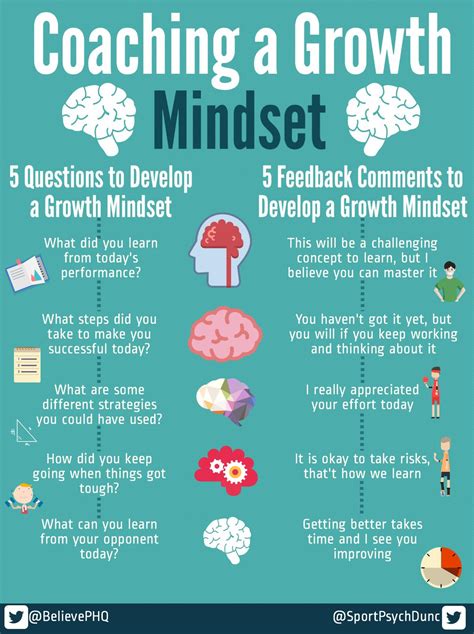
The pivotal shift required is from a fixed mindset to a growth mindset, a concept popularized by Dr. Carol Dweck. A growth mindset is the belief that abilities, intelligence, and even financial acumen or physical capabilities can be developed through dedication and hard work.
In finance, this means seeing setbacks not as failures, but as learning opportunities. It encourages you to educate yourself, seek advice, adapt your strategies, and understand that financial health is a journey of continuous improvement. You begin to view money as a tool for growth and security, rather than a source of constant worry.
For fitness, a growth mindset transforms plateaus from insurmountable walls into solvable puzzles. It encourages experimentation with different training methods, nutrition adjustments, and a focus on consistency and effort rather than instant, perfect results. Every failed lift or missed workout becomes data to learn from, not a reason to quit.

From Scarcity to Abundance (Financial Perspective)
The growth mindset directly counters financial scarcity thinking. Instead of fearing what you lack, you begin to focus on what you can create and cultivate. This involves:
- Financial Literacy: Actively learning about budgeting, saving, investing, and debt management.
- Small Consistent Steps: Understanding that significant financial growth comes from consistent, often small, actions over time (e.g., automated savings, regular debt payments).
- Investing in Yourself: Seeing education, skill development, and even calculated business risks as investments that can increase your earning potential.
From Stagnation to Progression (Fitness Perspective)
Applying a growth mindset to fitness plateaus means shifting from frustration to curiosity and strategic thinking. This involves:
- Analyzing and Adapting: Instead of hitting a wall, you analyze your training, nutrition, recovery, and lifestyle for potential adjustments.
- Process-Oriented Goals: Focusing on consistent effort, proper form, and adherence to a plan, rather than solely on the scale or a specific lift number.
- Celebrating Small Wins: Acknowledging every improvement, no matter how minor, reinforces positive behavior and builds momentum.

Actionable Mindset Shifts for Both Domains
The beauty of the growth mindset is its universality. Here are key shifts applicable to both financial and fitness challenges:
- Reframing Failure as Feedback: Mistakes aren’t endpoints; they’re valuable data points guiding your next attempt. What did you learn? How can you adjust?
- Process Over Outcome: Focus on the daily habits, routines, and effort. The desired outcomes are a natural consequence of consistent, diligent process adherence.
- Cultivating Patience and Persistence: Both financial wealth and physical prowess are built over time. Embrace the long game, knowing that consistent effort will yield results.
Practical Steps to Implement the Shift
Transforming your mindset isn’t just about understanding; it’s about action. Here’s how to put these shifts into practice:
- Define Clear, Small Goals: Break down big aspirations into manageable, actionable steps. Celebrate each step completed.
- Track Progress: Keep a financial log, workout journal, or use apps. Seeing tangible progress reinforces the growth mindset.
- Practice Self-Compassion: Don’t let setbacks derail you. Acknowledge the challenge, learn from it, and get back on track without harsh self-criticism.
- Seek Knowledge and Mentorship: Read books, take courses, listen to podcasts, and connect with people who are achieving what you aspire to. Learning from others accelerates your growth.

Conclusion
The journey from financial fear or fitness plateaus to sustained growth is fundamentally an internal one. It begins with the courageous choice to embrace a growth mindset—to believe in your capacity to learn, adapt, and improve. By reframing challenges as opportunities, focusing on consistent effort, and cultivating patience, you unlock the powerful engine of personal development that propels you forward, not just in your finances or fitness, but in every aspect of your life.