
Understanding Testosterone’s Role in Muscle Growth
Testosterone, often hailed as the king of male hormones, plays a pivotal role far beyond just libido. For anyone focused on building a stronger, more muscular physique, optimal testosterone levels are paramount. This potent androgen directly influences protein synthesis, leading to increased muscle mass and strength. It also aids in fat metabolism, improves bone density, and contributes to overall energy and well-being. While synthetic interventions exist, many are keen to explore natural pathways to boost this crucial hormone, ensuring sustainable and healthy muscle development.

The Pillars of Natural Testosterone Optimization
Achieving naturally higher testosterone isn’t about a single magic pill but rather a synergy of consistent, healthy lifestyle choices. It’s a holistic approach that tackles diet, exercise, sleep, stress, and other environmental factors.
1. Dialing in Your Diet and Nutrition
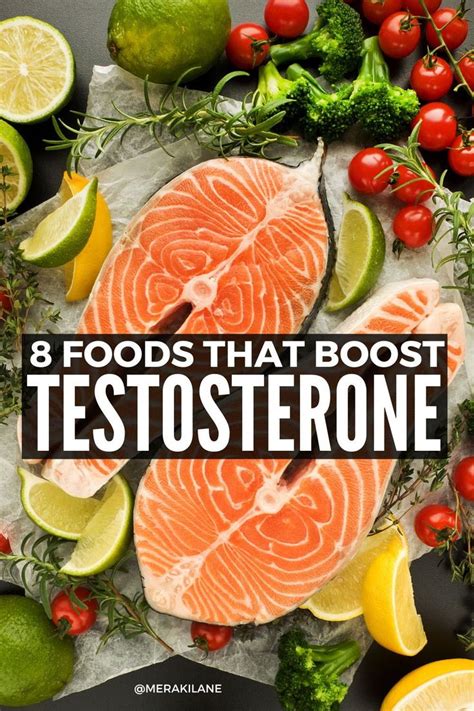
What you eat forms the foundation of your hormonal health. A balanced diet rich in specific macronutrients and micronutrients is essential:
- Healthy Fats: Don’t shy away from fats! Monounsaturated and polyunsaturated fats (found in avocados, nuts, olive oil, fatty fish) are crucial for hormone production. Cholesterol, derived from fats, is a precursor to testosterone.
- Adequate Protein: Essential for muscle repair and growth, protein also plays an indirect role by supporting overall metabolic health. Aim for 0.7-1 gram per pound of body weight.
- Crucial Micronutrients:
- Zinc: Involved in testosterone synthesis. Found in oysters, red meat, poultry, and beans.
- Vitamin D: More a hormone than a vitamin, low levels are strongly linked to low testosterone. Sunlight exposure and supplements are key.
- Magnesium: Contributes to free testosterone levels. Rich sources include leafy greens, nuts, and seeds.
- Limit Processed Foods & Sugar: These can contribute to insulin resistance and inflammation, both of which can negatively impact testosterone production.
2. Smart Exercise and Training Strategies
While exercise is beneficial, specific types of training are more effective for testosterone:
- Strength Training: Lifting heavy weights, especially compound movements like squats, deadlifts, bench presses, and rows, has been shown to acutely boost testosterone. Focus on progressive overload.
- High-Intensity Interval Training (HIIT): Short bursts of intense exercise followed by brief recovery periods can also stimulate testosterone.
- Avoid Overtraining: Chronic, excessive exercise without adequate recovery can elevate cortisol (a stress hormone) and suppress testosterone. Listen to your body and prioritize rest.

3. Prioritizing Sleep and Recovery
Sleep is when your body repairs, recovers, and produces hormones. Insufficient sleep is a major culprit for low testosterone:
- Aim for 7-9 Hours: Consistent, high-quality sleep is non-negotiable for optimal hormone production. Even a single week of restricted sleep can significantly lower testosterone levels.
- Improve Sleep Hygiene: Create a dark, cool, quiet bedroom, avoid screens before bed, and maintain a consistent sleep schedule.

4. Mastering Stress Management
Chronic stress leads to elevated cortisol levels. High cortisol can suppress testosterone production, creating a catabolic (muscle-wasting) environment:
- Mindfulness & Meditation: Practices like meditation, deep breathing exercises, and yoga can significantly lower stress.
- Hobbies & Downtime: Engage in activities you enjoy to relax and de-stress.
5. Other Crucial Lifestyle Factors
- Maintain a Healthy Body Fat Percentage: Excessive body fat, particularly visceral fat, can increase estrogen conversion from testosterone (aromatization), leading to lower free testosterone.
- Moderate Alcohol Intake: Heavy alcohol consumption has been shown to negatively impact testosterone levels.
- Limit Exposure to Endocrine Disruptors: Chemicals like BPA (found in plastics) and phthalates can mimic hormones and disrupt natural testosterone production. Choose glass or stainless steel containers.

Conclusion: The Holistic Path to Muscle Growth
Naturally optimizing testosterone for muscle growth is an integrated journey, not a sprint. It demands consistency across multiple lifestyle domains. By strategically adjusting your diet, implementing smart training protocols, prioritizing quality sleep, managing stress, and being mindful of environmental factors, you create an internal environment conducive to higher testosterone and, consequently, superior muscle development. Embrace these natural strategies, and you’ll not only support your muscle-building goals but also enhance your overall health, vitality, and well-being.