Conquering High-Interest Credit Card Debt and Building Better Credit
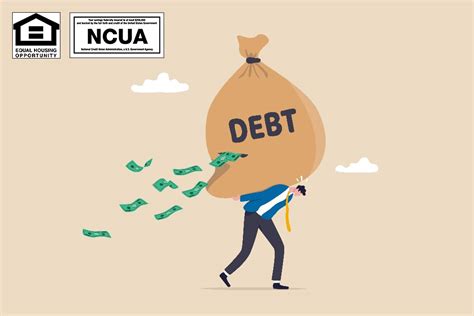
High-interest credit card debt can feel like a relentless uphill battle, eroding your financial well-being and making it challenging to save or invest. Simultaneously, a low credit score can hinder your ability to secure loans, rent apartments, or even get favorable insurance rates. The good news is that these two financial challenges are often interconnected, and by strategically tackling one, you can make significant strides in improving the other. This guide will walk you through actionable strategies to crush that high-interest debt and simultaneously elevate your credit score.
1. Understand Your Debt Landscape
Before you can conquer your debt, you need to fully understand it. Gather all your credit card statements and list out:
- The total balance owed on each card.
- The annual percentage rate (APR) for each card.
- The minimum monthly payment for each card.
This clear picture is your starting point. It’s also crucial to stop adding new debt. Cut up or freeze your credit cards if necessary, and commit to only using cash or debit for everyday expenses until your debt is under control.
2. Choose Your Debt Repayment Strategy
Two popular and effective methods can help you systematically pay down your debt:
The Debt Avalanche Method
This strategy focuses on saving money on interest. You list your debts from the highest interest rate to the lowest. You make minimum payments on all cards except the one with the highest APR, on which you pay as much extra as possible. Once that card is paid off, you take the money you were paying on it and add it to the minimum payment of the card with the next highest APR. This method saves you the most money in interest over the long run.
The Debt Snowball Method
This method prioritizes psychological wins to keep you motivated. You list your debts from the smallest balance to the largest. You make minimum payments on all cards except the one with the smallest balance, on which you pay as much extra as possible. Once that card is paid off, you take the money you were paying on it and add it to the minimum payment of the card with the next smallest balance. While you might pay slightly more interest overall, the quick wins can be incredibly empowering.
3. Explore Options to Reduce Interest and Payments
Balance Transfers
If you have good credit, you might qualify for a 0% introductory APR balance transfer credit card. This allows you to transfer your high-interest balances to the new card, giving you a period (often 12-18 months) to pay down the principal without accruing interest. Be mindful of balance transfer fees (typically 3-5% of the transferred amount) and ensure you can pay off the balance before the promotional period ends and a higher APR kicks in.
Debt Consolidation Loans
A personal loan with a lower, fixed interest rate can be used to pay off multiple high-interest credit card debts. This simplifies your payments into a single, predictable monthly installment and can significantly reduce the overall interest you pay. Qualification depends on your creditworthiness.
Negotiate with Creditors
Don’t be afraid to call your credit card companies. Explain your situation and ask if they would be willing to lower your interest rate, waive a late fee, or even offer a hardship program. Many companies would rather work with you to get some payment than receive no payment at all.

4. How Debt Reduction Directly Boosts Your Credit Score
Paying down credit card debt has a powerful, direct positive impact on your credit score, primarily through your credit utilization ratio.
Credit Utilization Ratio (CUR)
This is the amount of credit you’re using compared to your total available credit. For example, if you have a $10,000 credit limit and owe $3,000, your CUR is 30%. Lenders prefer to see this ratio as low as possible, ideally below 30%, and excellent scores often see it below 10%. As you pay down your balances, your CUR decreases, which is a major positive signal to credit bureaus and can significantly boost your score.
Payment History
Consistently making on-time payments (even minimums initially) contributes positively to your payment history, which is the single most important factor in your credit score. As you apply your debt repayment strategy, you’ll naturally be making these payments regularly.

5. Beyond Debt: Further Credit Score Boosters
Maintain a Good Payment History
Always pay your bills on time, every time. Set up auto-payments if it helps.
Keep Old Accounts Open
The length of your credit history positively impacts your score. Avoid closing old, paid-off credit card accounts, as this can reduce your average account age and your total available credit, inadvertently increasing your utilization ratio.
Diversify Your Credit Mix
A mix of different credit types (e.g., credit cards, installment loans like mortgages or car loans) can be beneficial, but only take on new debt you can responsibly manage.
Be Mindful of New Credit Applications
Applying for too much new credit in a short period can temporarily lower your score because each application results in a hard inquiry on your report. Only apply for credit when you truly need it.

6. Utilize Tools and Resources
- Budgeting Apps: Tools like Mint, YNAB (You Need A Budget), or Personal Capital can help you track your spending and allocate funds towards debt repayment.
- Credit Monitoring Services: Many credit card companies offer free access to your FICO score or a similar credit score. Services like Credit Karma or Experian also offer free credit reports and scores, along with alerts for changes.
- Non-Profit Credit Counseling: Organizations like the National Foundation for Credit Counseling (NFCC) offer free or low-cost counseling and can help you create a debt management plan.
Conclusion
Crushing high-interest credit card debt and boosting your credit score is a journey that requires discipline, strategy, and patience. By understanding your debt, choosing an effective repayment method, exploring options to reduce interest, and practicing responsible credit habits, you can steadily improve your financial standing. Start today, stay consistent, and celebrate each milestone on your path to financial freedom.