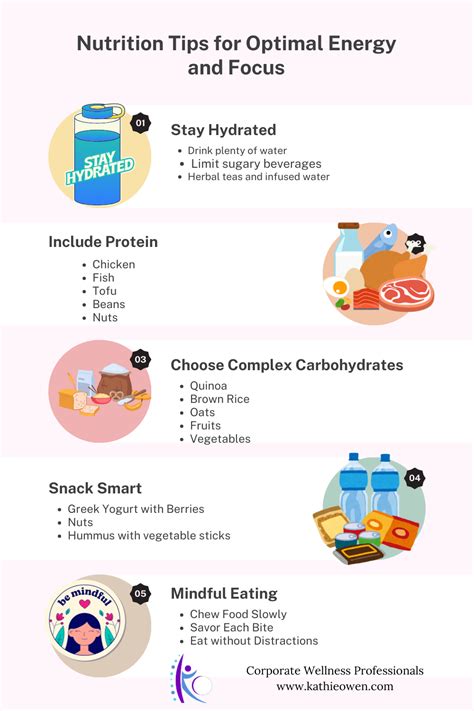
For men striving to maximize their physical potential, understanding and optimizing macronutrients – protein, carbohydrates, and fats – is paramount. These aren’t just arbitrary numbers; they are the fundamental building blocks and energy sources that dictate everything from your workout performance and muscle recovery to your hormonal health and body composition. Getting your macros right is the key to unlocking sustained energy, efficient muscle gain, and effective fat loss.
The Macro Blueprint: Why It Matters for Men
Each macronutrient plays a distinct and vital role in the male body. Protein is crucial for tissue repair and growth, carbohydrates fuel energy and performance, and fats are essential for hormone production and overall health. An imbalanced intake can lead to fatigue, poor recovery, stubborn fat, and compromised well-being. By strategically adjusting your intake of each, you can direct your body towards specific fitness and health objectives.

Protein: The Muscle Builder and Satiety Powerhouse
Protein is arguably the most critical macro for men, especially those looking to build muscle or lose fat. It provides the amino acids necessary for muscle protein synthesis, repair after exercise, and maintaining lean mass during a calorie deficit. Furthermore, protein has a high thermic effect of food (TEF), meaning your body burns more calories digesting it, and it promotes satiety, helping to curb hunger.
- Recommendation: Aim for 1.6-2.2 grams of protein per kilogram of body weight (0.7-1 gram per pound) daily, distributed evenly across meals.
- Best Sources: Lean meats, poultry, fish, eggs, dairy, legumes, and protein supplements.
Carbohydrates: Your Primary Energy Source
Carbohydrates are your body’s preferred source of energy, fueling your workouts, daily activities, and brain function. They are stored as glycogen in muscles and the liver. Adequate carb intake is essential for high-intensity performance and preventing muscle breakdown for energy. The type and timing of your carbohydrate intake can significantly impact your energy levels and body composition.

- Recommendation: Varies significantly based on activity level and goals, typically 3-6 grams per kilogram of body weight (1.4-2.7 grams per pound). Focus on complex carbohydrates.
- Best Sources: Whole grains, fruits, vegetables, sweet potatoes, oats.
Fats: Essential for Hormones and Health
Dietary fats often get a bad rap, but healthy fats are absolutely vital for men’s health. They are crucial for hormone production (including testosterone), nutrient absorption, cell membrane integrity, and providing a concentrated source of energy. Opting for unsaturated fats and ensuring adequate intake is key to supporting overall well-being and performance.

- Recommendation: Typically 0.8-1.2 grams per kilogram of body weight (0.35-0.55 grams per pound), or 20-30% of total daily calories.
- Best Sources: Avocados, nuts, seeds, olive oil, fatty fish (salmon, mackerel).
Tailoring Your Macros for Specific Goals
Goal 1: Enhanced Energy and Performance
For sustained energy and peak performance, a balanced approach is best. Prioritize complex carbohydrates before and after workouts, adequate protein for recovery, and healthy fats throughout the day. This balance ensures stable blood sugar, consistent energy, and optimal recovery.
Goal 2: Muscle Gain
To build muscle, you need to be in a calorie surplus. This means consuming more calories than you burn. Your macros should emphasize higher protein (for muscle repair and growth), sufficient carbohydrates (to fuel intense workouts and replenish glycogen), and moderate fats (for hormone health and additional calories).
Goal 3: Fat Loss
Fat loss requires a calorie deficit. The strategy often involves higher protein intake to preserve muscle mass and promote satiety, coupled with moderate carbohydrates and fats. Adjusting carb and fat intake allows for flexibility while ensuring essential nutrient needs are met and hunger is managed.

Putting It All Together: Practical Steps
Optimizing your macros isn’t about rigid restriction but smart choices. Start by calculating your estimated daily calorie needs and then distribute your macros based on your goals. Use a food tracking app to monitor your intake, at least initially, to build awareness. Focus on whole, unprocessed foods, and listen to your body. Consistency and adaptation are crucial for long-term success. If in doubt, consult with a registered dietitian or a nutritionist to get personalized guidance.

Conclusion
Mastering your macronutrients is a powerful tool for any man looking to improve his energy, build muscle, or lose fat. By understanding the role of protein, carbohydrates, and fats, and adjusting their ratios based on your specific objectives, you can fuel your body effectively and move closer to achieving your ultimate fitness and health goals. It’s an investment in your daily performance and long-term well-being.