The Foundation of Thriving Relationships
Emotional intelligence (EI) is the ability to understand, use, and manage your own emotions in positive ways to relieve stress, communicate effectively, empathize with others, overcome challenges, and defuse conflict. In the context of relationships, EI isn’t just a soft skill; it’s a vital framework that underpins connection, understanding, and mutual respect. Without it, misunderstandings fester, conflicts escalate, and intimacy wanes. Fortunately, EI is not an innate trait but a set of skills that can be actively developed and refined.
Cultivating emotional intelligence involves a conscious effort to tune into both your internal landscape and the emotional realities of those around you. It’s about learning to navigate the intricate dance of human connection with grace, wisdom, and genuine care. This article will explore practical, actionable tactics you can implement to strengthen your emotional intelligence and, consequently, build healthier, more fulfilling relationships.
Cultivating Self-Awareness: The Starting Point
Self-awareness is the bedrock of emotional intelligence. It’s the capacity to understand your own emotions, strengths, weaknesses, values, and goals, and to recognize their impact on others. For healthier relationships, this means knowing what triggers your reactions, understanding your emotional patterns, and acknowledging your emotional needs.
Practical Tactics:
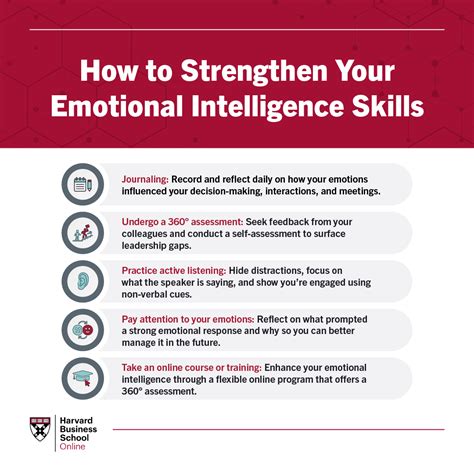
- Journaling: Regularly write down your thoughts, feelings, and reactions to events. This practice helps you identify patterns, understand emotional triggers, and process experiences more deeply.
- Mindfulness and Meditation: Dedicate time daily to observe your thoughts and feelings without judgment. This practice enhances your ability to recognize emotions as they arise, rather than being swept away by them.
- Identify Your Emotional Triggers: Pay attention to specific situations, words, or behaviors that consistently provoke strong emotional responses in you. Once identified, you can develop strategies to manage these triggers proactively.
- Seek Feedback: Ask trusted friends, family, or partners for honest feedback on how your words and actions impact them. This external perspective can reveal blind spots in your self-perception.

Mastering Self-Regulation: Responding, Not Reacting
Self-regulation is the ability to manage your own emotions, impulses, and resources effectively. It means thinking before acting, maintaining composure under stress, and adapting to change. In relationships, this skill prevents knee-jerk reactions that can cause irreparable damage and fosters a sense of stability and trust.
Practical Tactics:
- The “Pause” Technique: Before responding in a heated moment, take a deep breath and count to ten. This small pause provides critical time for your rational brain to catch up with your emotional brain, allowing for a more thoughtful response.
- Practice Emotional Reframing: When faced with a negative situation, consciously try to find an alternative, more positive interpretation. For example, instead of thinking “They always criticize me,” consider, “Perhaps they are trying to help, but their delivery is poor.”
- Stress Management Techniques: Incorporate stress-reducing activities like exercise, hobbies, or spending time in nature into your routine. Reduced stress levels improve your capacity for emotional control.
- Set Healthy Boundaries: Learning to say no and establishing clear personal boundaries helps manage emotional drain and prevents resentment, which can otherwise lead to uncontrolled outbursts.
Developing Empathy: Walking in Another’s Shoes
Empathy is the ability to understand and share the feelings of another. It’s about putting yourself in someone else’s position and seeing the world through their eyes. In relationships, empathy builds deep connection, validates experiences, and resolves conflict by fostering mutual understanding rather than blame.
Practical Tactics:
- Active Listening: When someone is speaking, give them your full attention. Listen not just to their words, but to the emotions underlying their message. Avoid interrupting, formulating your response, or offering unsolicited advice.
- Ask Open-Ended Questions: Encourage deeper sharing by asking questions that require more than a yes/no answer. Phrases like “How did that make you feel?” or “Can you tell me more about that?” invite greater emotional disclosure.
- Practice Perspective-Taking: Consciously try to imagine what it must be like to be in the other person’s situation, considering their background, experiences, and current challenges.
- Validate Feelings: Acknowledge and affirm the other person’s emotions, even if you don’t agree with their perspective or actions. Phrases like “I can see why you’d feel frustrated” or “That sounds really difficult” can be incredibly powerful.

Enhancing Social Skills and Relationship Management
Social skills encompass the ability to communicate effectively, manage conflicts, build rapport, and inspire others. In relationships, these skills are crucial for navigating interactions smoothly, fostering cooperation, and maintaining harmony. They enable you to express your needs clearly while respecting the needs of others.
Practical Tactics:
- Clear and Assertive Communication: Express your thoughts, feelings, and needs directly and respectfully, using “I” statements. For example, instead of “You always do X,” try “I feel Y when Z happens.”
- Constructive Conflict Resolution: Approach disagreements as opportunities for growth and understanding, rather than battles to be won. Focus on finding solutions together, rather than assigning blame.
- Express Appreciation: Regularly acknowledge and express gratitude for the people in your life. Simple acts of appreciation can significantly strengthen bonds and create a positive emotional climate.
- Learn to Apologize Effectively: When you make a mistake, offer a sincere apology that acknowledges your impact on the other person, takes responsibility, and expresses a desire to make amends.

The Journey of Continuous Growth
Building emotional intelligence is not a destination but an ongoing journey. It requires consistent effort, self-reflection, and a willingness to learn from every interaction. Just like physical fitness, emotional fitness needs regular exercise. The more you practice these tactics, the more ingrained they will become, transforming your responses and interactions over time.
Patience with yourself and others is key. There will be times when you falter, react impulsively, or misinterpret cues. These moments are not failures but opportunities for further learning and growth. Embrace them as part of the process of becoming a more emotionally intelligent individual, capable of fostering deeper, more resilient, and healthier relationships.
Conclusion
Emotional intelligence is the invisible glue that holds healthy relationships together. By actively implementing practical tactics for self-awareness, self-regulation, empathy, and social skills, you empower yourself to navigate the complexities of human connection with greater skill and compassion. Investing in your emotional intelligence is perhaps the most profound investment you can make in the quality and longevity of all your relationships, leading to a life rich in understanding, support, and genuine connection.