Understanding the Financial Tightrope
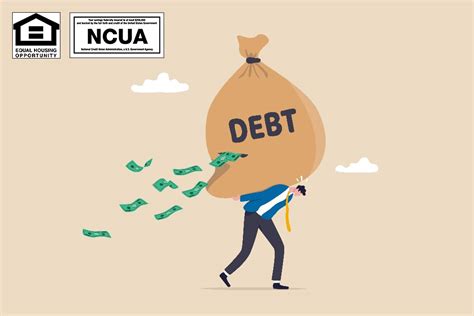
For many men, the path to financial stability often feels like a balancing act between two crucial objectives: eliminating high-interest debt and establishing a secure emergency fund. Both are vital for financial health, yet they demand resources that often feel scarce. The tension arises because high-interest debt can feel like an urgent drain, while an emergency fund offers a critical safety net against life’s unpredictable challenges.
Ignoring either can lead to significant setbacks. Without an emergency fund, an unexpected car repair or job loss can force you deeper into debt. Conversely, allowing high-interest debt to fester can erode your wealth and make future financial goals seem insurmountable. The key is not to choose one over the other permanently, but to find a strategic pathway that addresses both effectively.

The Case for a Starter Emergency Fund
Before launching an all-out assault on your high-interest debt, it’s often wise to establish a small, initial emergency fund. Think of this as your financial “speed bump” – a buffer of typically $1,000 to $2,000, or one month’s essential expenses. This modest sum can prevent small emergencies (like a sudden medical bill or appliance repair) from forcing you to use credit cards, thus preventing new debt accumulation and derailing your payoff efforts.
This starter fund provides psychological peace of mind and acts as a firewall. Once you have this initial buffer, you can direct more aggressive payments towards your high-interest debts with less fear of unforeseen circumstances pushing you backward.
Aggressively Tackling High-Interest Debt
With a starter emergency fund in place, your next priority should be to aggressively attack high-interest debt, such as credit card balances or personal loans. The interest rates on these can be devastating, making it difficult to gain traction even with consistent payments. Two popular strategies are:
- Debt Avalanche: Prioritize paying off debts with the highest interest rates first, regardless of the balance. This method saves you the most money on interest over time.
- Debt Snowball: Focus on paying off the smallest debt balance first, then move to the next smallest. This method provides psychological wins and motivation, which can be crucial for long-term adherence.
Whichever method you choose, the goal is to direct as much extra money as possible toward these debts. Consider ways to cut expenses, temporarily reduce discretionary spending, or even find a side hustle to accelerate your payoff.

The Hybrid Approach: A Dynamic Strategy
For many, a hybrid approach offers the most practical solution. After building your starter emergency fund, you dedicate the majority of your extra cash towards high-interest debt while simultaneously contributing a smaller, consistent amount to your emergency fund. For example, if you have an extra $500 each month, you might allocate $400 to debt repayment and $100 to building your emergency fund further.
This dynamic strategy allows you to make progress on both fronts. As your highest-interest debts are paid off, you can then shift a larger percentage of that freed-up money towards fully funding your emergency fund (typically 3-6 months of living expenses), eventually leading to complete debt freedom and robust savings.

Fully Funding Your Emergency Fund Post-Debt
Once your high-interest debts are extinguished, the full focus can pivot to building a fully funded emergency fund. Aim for three to six months of essential living expenses, stored in an easily accessible, high-yield savings account. This comprehensive fund provides a much stronger buffer against major life events like job loss, serious illness, or significant home repairs, offering true financial peace of mind.
At this stage, you’re not just debt-free, but also financially resilient, ready to tackle bigger financial goals like investing, saving for a down payment, or retirement planning without the constant worry of unexpected expenses derailing your progress.

Key Principles for Success
- Create a Detailed Budget: Understand exactly where your money is going. This is the foundation for making informed financial decisions.
- Automate Savings and Payments: Set up automatic transfers to your emergency fund and automatic payments for your debt. This ensures consistency and removes temptation.
- Increase Your Income: Look for opportunities to earn more, whether through a raise, a promotion, or a side hustle. Extra income can significantly accelerate both debt payoff and savings.
- Review and Adjust Regularly: Life changes, and so should your financial plan. Revisit your budget and goals quarterly to ensure you’re still on track.
Charting Your Course to Financial Freedom
Balancing high-interest debt payoff with building an emergency fund isn’t a one-size-fits-all endeavor. It requires self-awareness, discipline, and a willingness to adapt your strategy as your financial situation evolves. By prioritizing a starter fund, aggressively attacking high-interest debt, adopting a hybrid approach, and eventually fully funding your emergency savings, you can confidently navigate the complexities of personal finance and pave your way towards lasting financial security and freedom.